



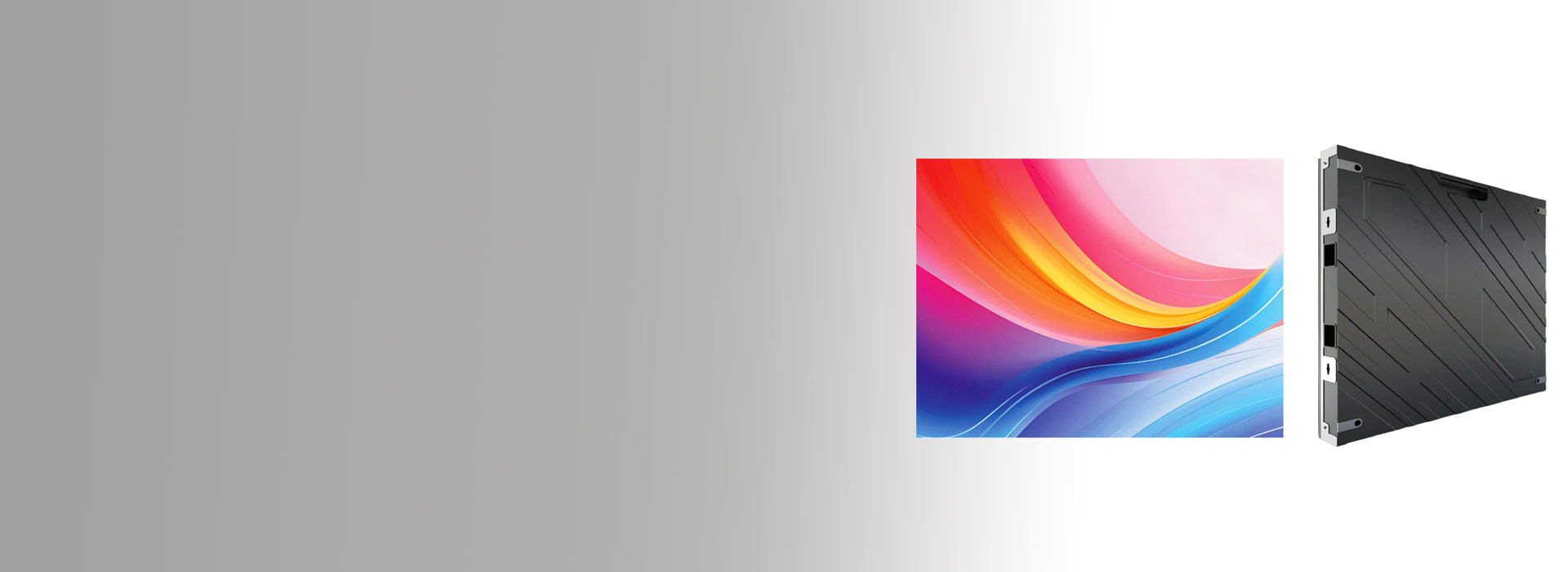
Core Components of the Control Room LED Wall
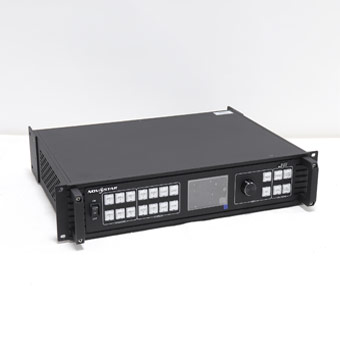
Enables the screen to enter picture-in-picture mode, displaying information from multiple content sources simultaneously, ensuring you never miss critical decision-making information.
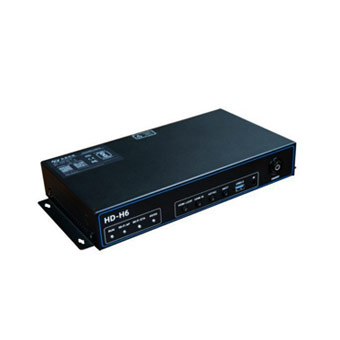
Helps integrate other content signals and audio data to achieve an intuitive viewing experience with synchronized audio and video.
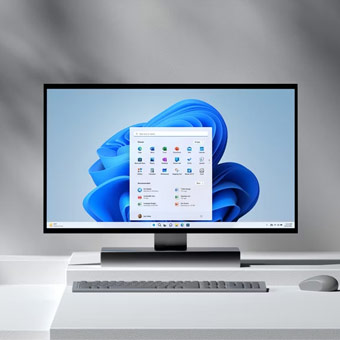
The “brain” that manages content playback allows you to adjust the screen display according to your needs and seamlessly switch to the desired content source.
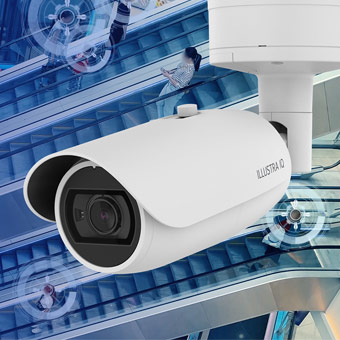
Acting as the “eyes” for content acquisition, they collect all information in real time with complete clarity and transmit it centrally to the computer.
Reliable Cabinets Designed for Professional Control Room LED Walls
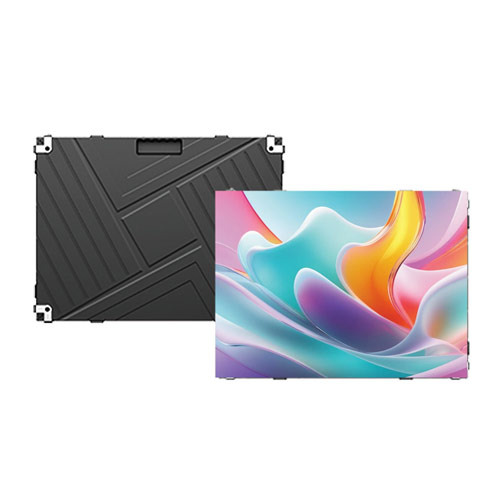 HA SERIES
- Cabinet dimensions: 640x480mm & 640x640mm
- Cabinet Weight: 4kg & 9kg
- Compatible module model: P1.25, P1.538, P1.86, P1.875, P2, P2.5
- Packaging technology: GOB & SMD
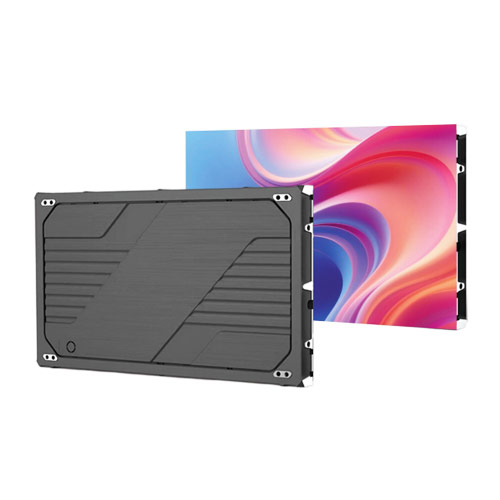 HC SERIES
- Cabinet dimensions: 600×337.5mm
- Cabinet Weight: 4kg
- Compatible module model: P0.62, P0.78, P0.93, P1.25, P1.56, P1.87
- Packaging technology: COB
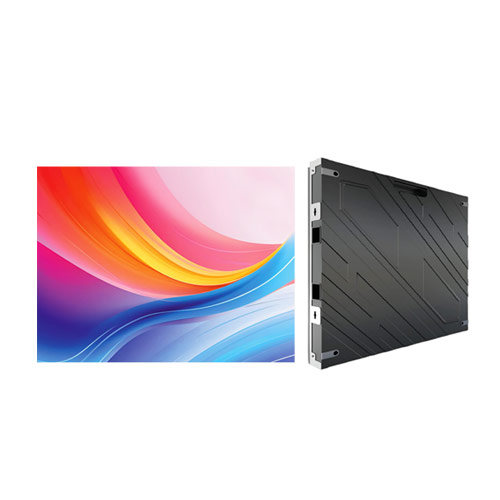 HD SERIES
- Cabinet dimensions: 640x480mm
- Cabinet Weight: 7.5kg
- Compatible module model: P1.25, P1.538, P1.86
- Packaging technology: COB
Where Can Control Room LED Walls Be Used?
 Property Management Centers
Aggregate surveillance footage from public areas and entry/exit points. Security personnel can respond quickly to suspicious individuals or disputes between residents.
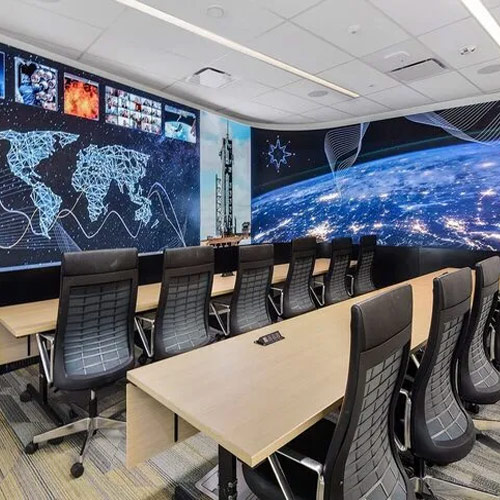 Traffic Management Bureaus
Control room LED video walls display traffic feeds from multiple intersections, ensuring staff can monitor road conditions in real-time.
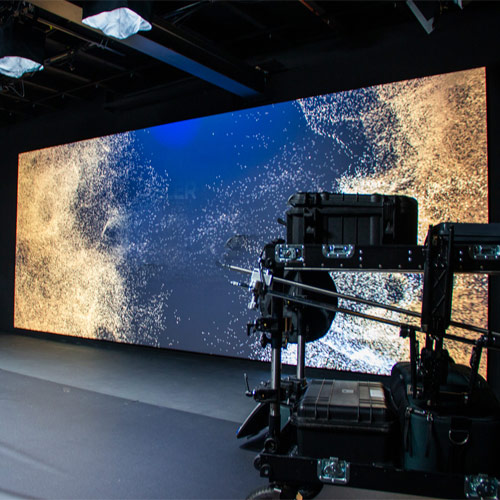 Program Recording Studios
Support simultaneous connections to multiple cameras, enabling synchronized recording of high-definition footage from various angles.
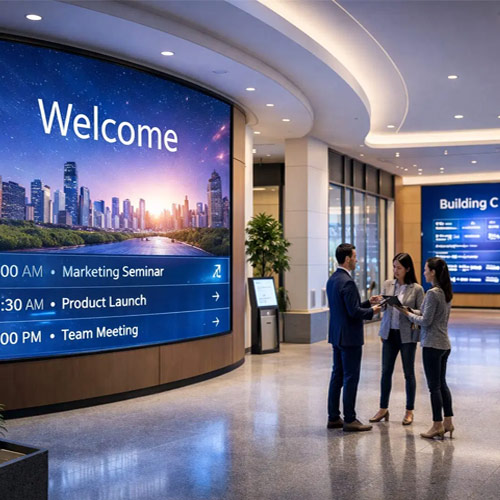 Banks
Assist security departments in monitoring all bank locations simultaneously, helping personnel protect customer assets and personal safety.
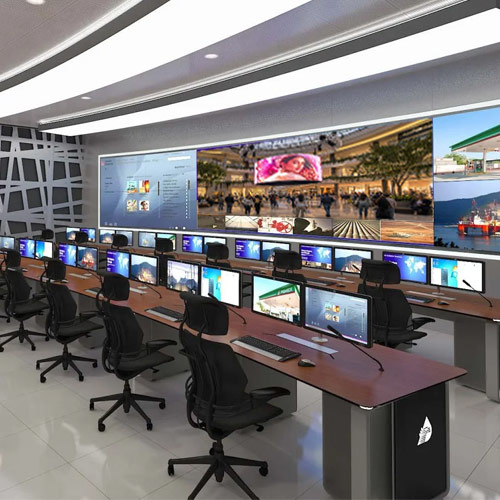 Shopping Mall Security Rooms
Connect to surveillance cameras across different mall zones, allowing security staff to monitor activity in real-time and prevent illicit behavior.
Hard-wired Connections and Hot-swappable Design for Easy Maintenance
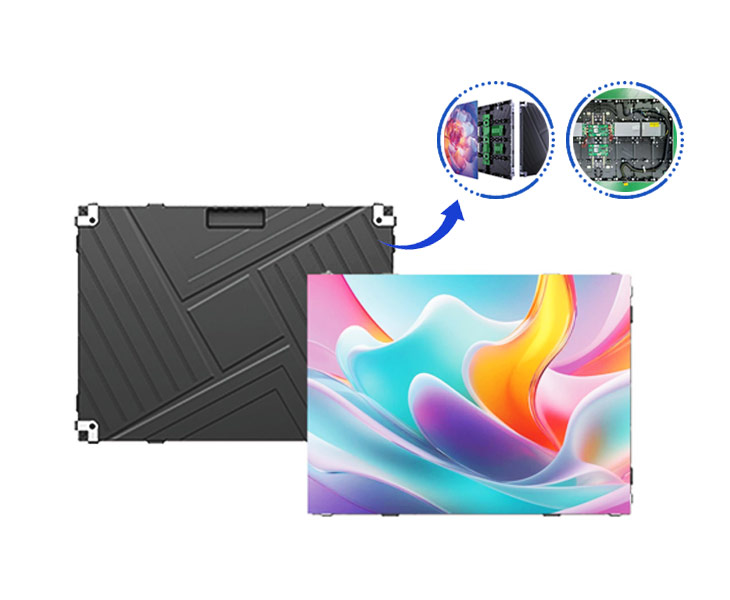
In designing this control room LED wall, JYLED prioritized ease of maintenance by utilizing hard-wired connections and a hot-swappable design.
Hard-wired connections significantly reduce cabling, eliminating maintenance issues caused by loose wires, while the hot-swappable capability allows for maintenance on specific sections without disrupting the entire system’s operation.
24/7 Continuous Operation
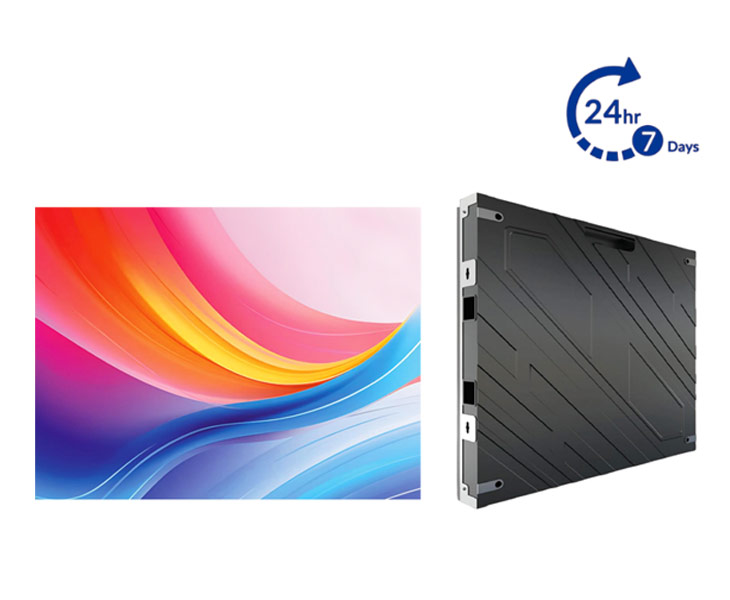
Designed specifically for control rooms, this LED wall is constructed using robust die-cast aluminum cabinets, ensuring stable and reliable operation for up to 10 years, even with 24/7 usage.
Additionally, it features a unique heat dissipation mechanism that keeps the screen surface temperature stable at around 40°C, even during continuous round-the-clock operation.
Dual Signal Inputs and Redundant Power Supplies to Prevent System Downtime
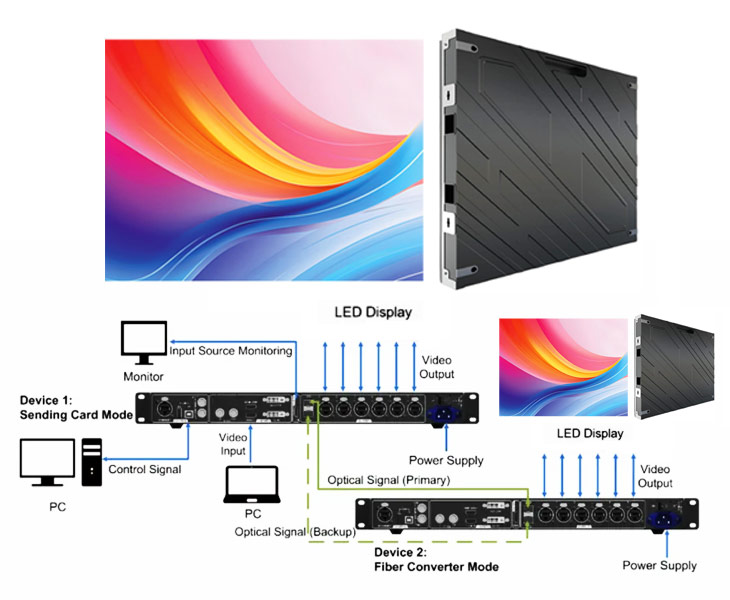
A major concern with long-term use is the sudden failure of internal components, leading to unexpected system downtime. Our control room LED wall incorporates dual signal inputs and redundant power supplies.
Whether a power supply or a connector fails, the system’s operation remains uninterrupted, as backup circuits and power supplies take over immediately.
Magnetic Modules Maximize Space Utilization
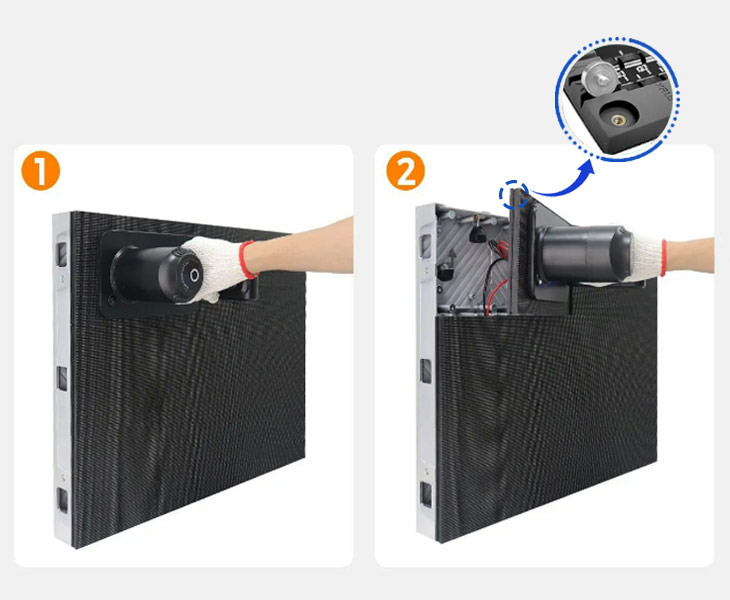
JYLED’s control room LED walls utilize magnetic modules, which support front maintenance mode. The cabinets are slim and lightweight, with each cabinet measuring just 7 cm in depth, maximizing your installation space.
Installing an LED wall with magnetic modules in your control room offers the following benefits:
- Magnetic modules are installed faster; technicians can install a single module in just 3 seconds.
- Magnetic modules support front access maintenance, making screen maintenance more convenient. Technicians can directly remove modules from the front of the control room LED wall to inspect the modules and check for faults in internal components.
- Screens installed with magnetic modules do not require dedicated rear maintenance access, further improving your space utilization.
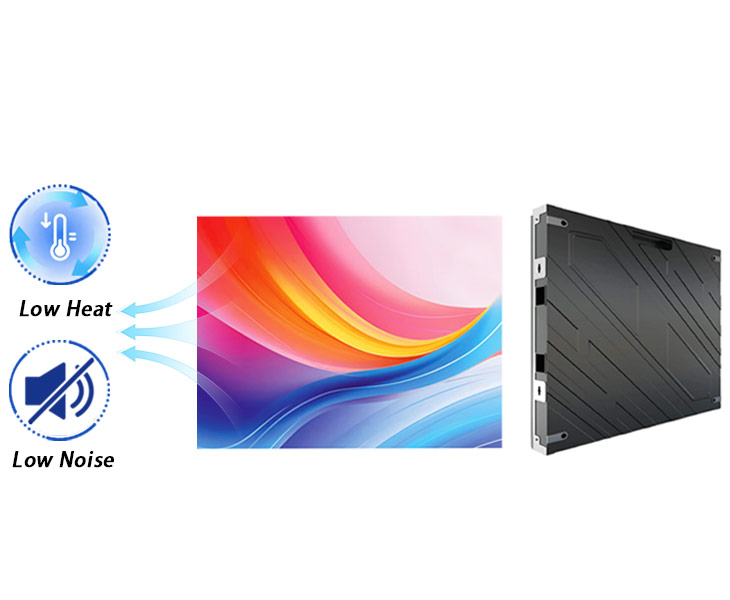
Low Noise and Low Heat Ensure Control Room Comfort
JYLED’s control room LED walls generate minimal heat during operation, and the LED cabinets feature excellent heat dissipation, allowing natural convection to maintain stable internal temperatures.
You do not need external fans to cool the control room LED wall; natural convection offers the following advantages:
- Reduced equipment (fan or air conditioning) purchase costs.
- Reducing the electrical equipment in operation lowers your energy consumption.
- Reduced ambient noise during screen operation.
The low heat and low noise emitted by the LED wall installed in the control room ensure the comfort of command personnel. This allows staff to remain in the control room for extended periods, enabling them to perform command duties at their best.
Eye-Care Adjustment Technology Prevents Visual Fatigue
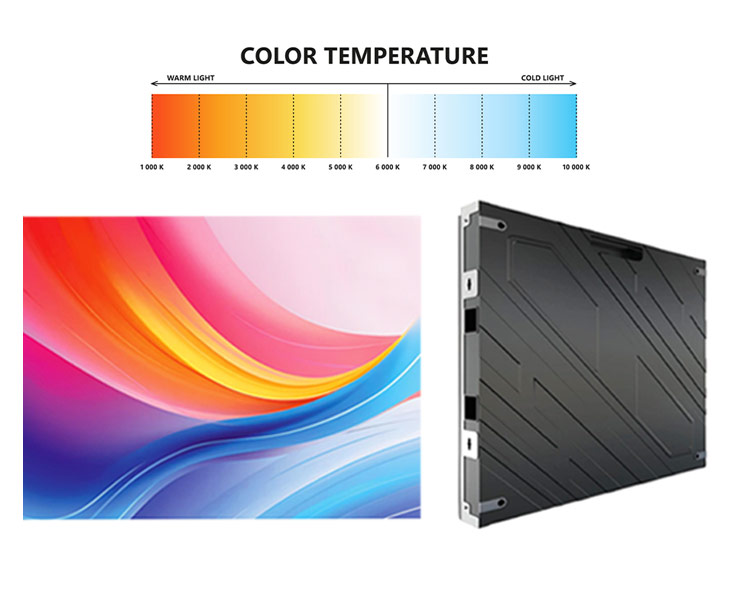
JYLED’s control room LED wall supports multiple eye-care adjustment technologies, preventing visual fatigue for command personnel after prolonged screen viewing and ensuring they can respond to monitoring screens with optimal focus and energy.
- You can adjust the LED wall’s color temperature to soften the screen’s light, effectively switching the display into eye-care mode.
- 100% Brightness Adjustment: The control room LED wall supports brightness adjustment from 0 to 100%. You can adjust the screen brightness based on ambient lighting and your specific needs.
Comfortable screen brightness is key to preventing eye strain during prolonged viewing. JYLED monitoring room LED walls are equipped with multiple eye protection technologies, ensuring that command personnel do not experience fatigue even during prolonged viewing, so they can continuously monitor the situation and make quick, accurate decisions.
Why Use an LED Wall in Control Room Instead of an LCD Wall?
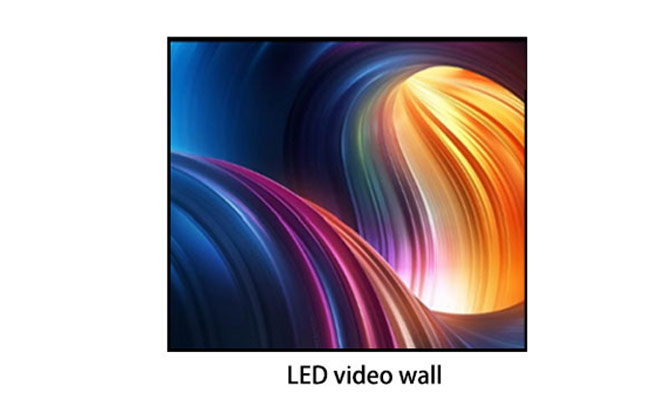
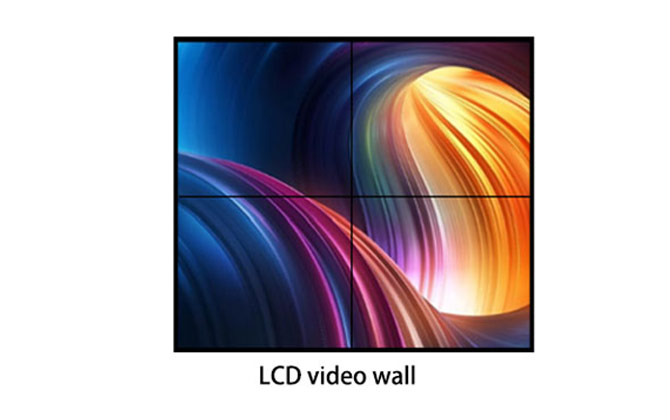
The primary reason control rooms use LED walls instead of LCD video walls is that the display quality and functionality of LCD video walls do not meet the specific requirements of a control room environment.
We will outline the differences between LED walls and LCD video walls from the following perspectives:
| Seamless Display Effect | Viewing Angle | 24/7 Reliable Operation | Dual Backup System | Low Brightness, High Gray Scale | Power Consumption | |
| Control Room LCD Video Wall | Visible Seams | 60° Viewing Angle at Center | Not supported; LCDs generate significant heat during operation and require a timely shutdown to maintain equipment stability | Not supported; no backup data port | Not supported; LCDs have a narrow color gamut and lack advanced image processing technology | Higher power consumption; due to the backlighting principle of LCDs, the screen continues to consume power even when turned off |
| Control Room LED Wall | Seam width less than 0.01 mm; virtually seamless to the naked eye | 160° viewing angle | Supported; LED screens generate less heat, so components will not overheat or fail even during 24-hour operation | Supported; features 1 to 4 fiber optic ports for backup data | Supported. Unique image processing technology ensures high-contrast images even at low brightness levels | Low power consumption. LEDs generate less heat, making operation more energy-efficient; this model also supports common cathode energy-saving technology |
As can be seen, if you need to install a large video wall in a control room, an LED wall is more suitable than an LCD video wall.
This is because LED walls outperform LCD video walls in multiple aspects, including visual performance, power consumption, and signal stability.
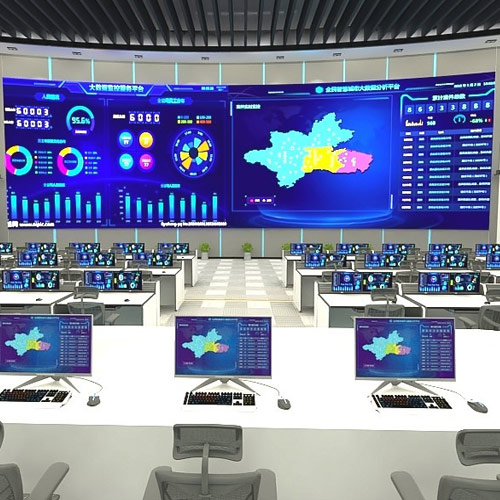
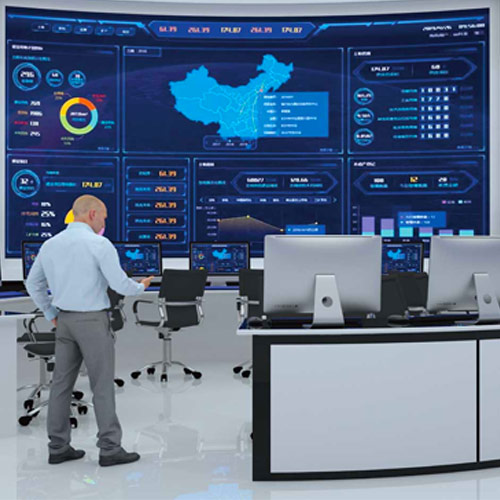
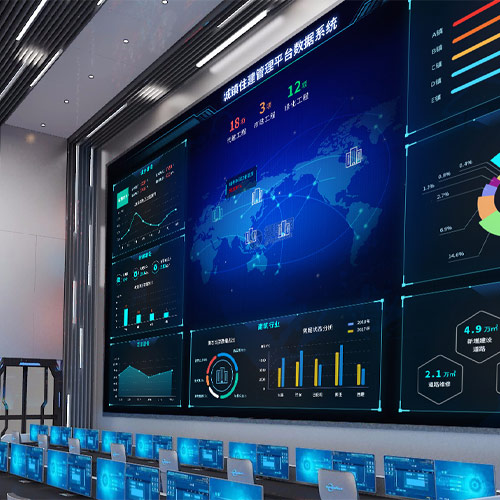
Control Room LED Wall Case show
- Case show
- Control Room LED Wall Parameter


| Parameter | Recommended Range |
|---|---|
| Pixel Pitch | P1.25 / P1.56 / P1.86 / P2 / P2.5 |
| Brightness | 500–1000 nits |
| Refresh Rate | 3840Hz / 7680Hz |
| Gray Scale | 14–16 bit |
| Cabinet Type | Front service cabinet |
| Maintenance | Full front access |
| Viewing Distance | 1.5–8 m |
| Operation | 24/7 continuous operation |
| Controller | Novastar / Colorlight / Huidu |
| Application | Traffic, security, energy, emergency command |
The optimal pixel pitch for a control room LED wall depends on your viewing distance.
- If the viewing distance is between 1 and 2 meters, then a pixel pitch of 1.25mm is most suitable
- If the viewing distance is between 2 and 4 meters, then a pixel pitch of 2mm is most suitable
Tip: Choosing the right pixel pitch will save you a lot of costs
Just remove the faulty LED module and replace it with a spare LED module. The entire process is simple and effortless, without delaying system operation.
To purchase the right control room LED wall, you need to comprehensively consider various factors such as your installation environment, display requirements, viewing distance, and budget.
If you are unsure about the specifications, you can contact us through the consultation window on the JYLED official website to obtain a procurement plan.
This control room LED wall is compatible with mainstream controllers on the market, such as Linsn, Colorlight, Novastar, and Huidu.
It does not. The control room LED wall is a highly energy-efficient display. Its internal modules feature a common cathode energy-saving design, which can save you a significant amount on electricity bills during long-term operation.
Control room LED walls are typically installed indoors, where the operating environment is extremely stable. As a result, they do not require high levels of protection; an IP34 rating is usually sufficient.