



Energy-efficient LED screens offer lower operating costs and deliver greater commercial value to businesses. Combined with their longer service life and lower power consumption, they are gradually becoming the top choice for an increasing number of companies.
This article provides a detailed overview of energy-efficient LED screens, from explaining what they are to determining the best scenarios for their use, to help answer your questions.
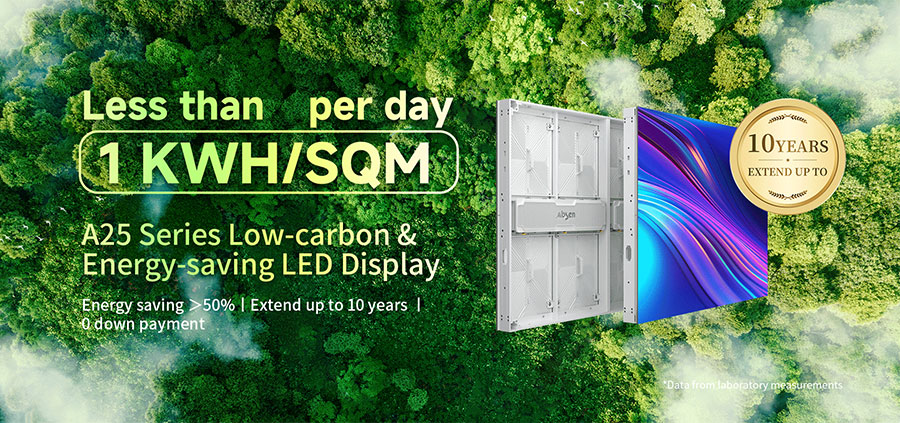
What Is an Energy-Efficient LED Display?
Energy-efficient LED displays achieve significantly reduced power consumption during operation through the combined use of low-power LEDs, advanced circuit design, and high-performance driver ICs, all while maintaining display quality and service life.
What Are the Advantages of Energy-Efficient LED Displays?
Compared to traditional LED displays, energy-efficient LED displays deliver superior performance in terms of energy conservation, emissions reduction, cost reduction, efficiency improvement, and return on investment.
Cost Reduction and Efficiency Improvement
For large LED displays that remain on continuously, the electricity savings from using energy-efficient LED displays can, over time, more than offset the initial cost difference compared to purchasing standard LED displays.
Additionally, improvements in the hardware of energy-efficient LED displays make them more durable and provide better heat dissipation, thereby effectively reducing the frequency and cost of maintenance.
Overall, energy-efficient LED displays significantly lower operating costs and increase display efficiency.
Longer Service Life
Energy-efficient LED displays generate less heat during operation, which slows the aging of internal components. This further extends the service life of the display, reduces the frequency of replacements, and minimizes the generation of electronic waste.
Intelligent Brightness Adjustment
JYLED’s energy-efficient LED displays support optional light sensors to enable automatic brightness adjustment.
They automatically adjust screen brightness based on changes in ambient light, ensuring that the display remains clearly visible under varying lighting conditions.
Reduced Energy Consumption
Energy-efficient LED displays lower energy consumption and reduce the resources required for power generation. While promoting green urban development, they also contribute to the achievement of sustainable social development.
High Return on Investment
For enterprises seeking to maximize long-term value, energy-efficient LED screens offer significant advantages—including reduced electricity costs, long service life, stable operation, and minimal maintenance requirements.
These features effectively lower the total cost of ownership and enhance the return on investment over the long term, making them an excellent choice for corporate display solutions.
Why Are Energy-Efficient LED Screens More Energy-Efficient Than Conventional LED Screens?
Low-Power LEDs
Energy-efficient LED screens utilize low-power LEDs with a different structure than conventional LED screens. These LEDs differ from conventional LEDs in terms of internal structure, materials used, and size.
Within the same screen structure, low-power LEDs can produce the same brightness as conventional LEDs using less power, thereby effectively reducing energy consumption.
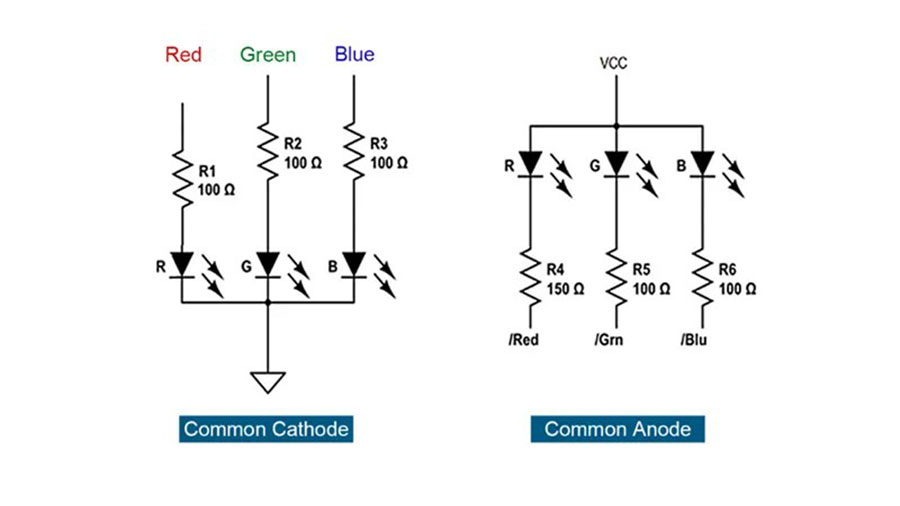
Common-Cathode Circuit Design
Compared to the common-anode technology used in traditional LED displays, which rely on a single 5V DC power supply, the common-cathode circuit in energy-efficient LED displays effectively mitigates the issues of excessive heat loss and energy waste caused by excessively high voltages in common-anode circuits.
The common cathode LED circuit system employs a dual-voltage power supply design, which independently provides more precise voltages for each red, green, and blue LED (for example, approximately 2.8V for red LEDs and approximately 3.8V for green and blue LEDs).
This significantly reduces power loss and heat generation while ensuring the normal operation of the LED display and maintaining image quality.
In outdoor settings with direct sunlight, LED displays using common-cathode technology can still maintain a balanced internal temperature, making them well-suited for applications requiring sustained high brightness outdoors over extended periods.
High-Efficiency Power Supply
The LEDs used in LED displays can convert approximately 50% of electrical energy into light radiation, achieving a much higher energy utilization rate than other lighting devices.
At the same time, advanced PWM driver ICs distribute power precisely to optimize energy usage. When displaying static images, power consumption is even lower, allowing for further energy savings without compromising visual quality.
Upgraded Packaging Technology
Some energy-efficient LED displays utilize the flip-chip COB packaging technology, which involves soldering the LED chips directly onto the PCB.
By eliminating the traditional supports and circuit structures found in SMD technology, thermal resistance is reduced, thereby enhancing heat dissipation performance.
Superior heat dissipation effectively lowers junction temperature and reduces the likelihood of LED screen failures, thereby significantly extending the screen’s service life.
Superior Heat Dissipation Design
For LED cabinets, most indoor and outdoor rental screens, as well as all standard indoor LED screens, do not require additional cooling equipment.
However, certain large outdoor screens, as well as those located in hot regions and exposed to prolonged direct sunlight, require cooling equipment such as fans or air conditioners installed within the LED cabinets.
Compared to the standard LED displays described above, energy-efficient LED displays feature LED cabinets with superior ventilation designs or all-die-cast aluminum heat dissipation structures.
This enables more efficient heat dissipation, reduces the need for cooling equipment, and consequently minimizes the additional energy consumption caused by such equipment.
Intelligent Brightness Adjustment
When equipped with light sensors, energy-efficient LED displays combine brightness adjustment with artificial intelligence through an integrated smart system to enable real-time dynamic output adjustment.
In well-lit environments, the system increases brightness to maintain image visibility; at night, when ambient light is low, it reduces brightness to conserve energy and prevent glare.
In addition, the intelligent system comprehensively evaluates and adjusts settings based on factors such as the nature of the displayed content (motion, brightness, etc.), the duration of daily operation, and variations in content across different time periods, ensuring the display’s energy consumption is maintained at an optimal level.
Specific Applications of Energy-Efficient LED Screens
Commercial Advertising Displays
Whether it’s large outdoor digital ads or indoor shopping mall displays, LED screens need to run for long periods, so operating costs become a key consideration.
Energy-saving LED screens not only deliver clear and vivid visuals to the audience but also effectively reduce operating costs.
For outdoor large-screen ads, using energy-saving screens made with common-cathode circuit technology can achieve even better energy efficiency.
Public Facility Displays
For LED screens in high-speed rail stations, airports, and subway stations—where information must be displayed for extended periods—using energy-efficient LED screens can effectively reduce energy consumption and operating costs while ensuring excellent image quality, clearly legible text, and effective information dissemination.
Sports Event Displays
Large LED scoreboards, live match broadcast screens, or circular LED displays in stadiums and arenas are typically installed for long-term, fixed use.
The robust design of energy-efficient LED displays effectively reduces the likelihood of screen failures, thereby lowering the cost and complexity of future maintenance.
Surveillance System Applications
In surveillance systems such as security rooms and dispatch centers, LED displays must operate 24 hours a day without interruption. It is essential to ensure the clarity of the images displayed to guarantee the reliability and stability of real-time monitoring.
Applications in the Education Sector
Some universities use energy-efficient LED displays as bulletin boards, billboards, or event promotion boards. This aligns with the schools’ environmental philosophy and promotes the development of green campuses.
How Much Energy Can Energy-Efficient LED Displays Save?
We compare JYLED’s energy-efficient LED displays with standard LED displays.
Taking a 50 square meter P10 outdoor display as an example (operating 10 hours per day, 365 days per year):
Energy-efficient LED display:
- Average power consumption: 0.18 kW/㎡
- Annual energy consumption: 0.18 (kW/㎡) × 50 (㎡) × 10 (h) × 365 (days) = 32,850 (kWh)
Conventional LED Display:
- Average power consumption: 0.275 kW/m²
- Annual energy consumption: 0.275 (kW/m²) × 50 (㎡) × 10 (h) × 365 (days) = 50,187.5 (kWh)
- Energy savings: 50,187.5 – 32,850 = 17,337.5 kWh.
Based on the average U.S. commercial electricity rate of $0.08/kWh, using an energy-efficient LED display can save $1,387 in electricity costs annually.
- Using the formula: 17,337.5 ÷ 50,187.5 × 100% ≈ 35%
We can conclude that energy-efficient LED displays save 35% more energy compared to standard LED displays.
When Is It Appropriate to Choose an Energy-Efficient LED Display?
Although energy-efficient LED displays can be applied in many scenarios, they are most suitable for the following three specific situations:
Screens Requiring 24-Hour Continuous Operation
When LED displays are used in monitoring rooms, data monitoring centers, and other surveillance systems that require 24-hour continuous operation, energy-efficient LED displays should be considered.
Their superior heat dissipation performance not only prevents overheating and premature aging but also ensures the display can operate normally for extended periods.
Over extended periods of use, energy-efficient screens can effectively conserve electricity and reduce electricity costs compared to standard LED screens.
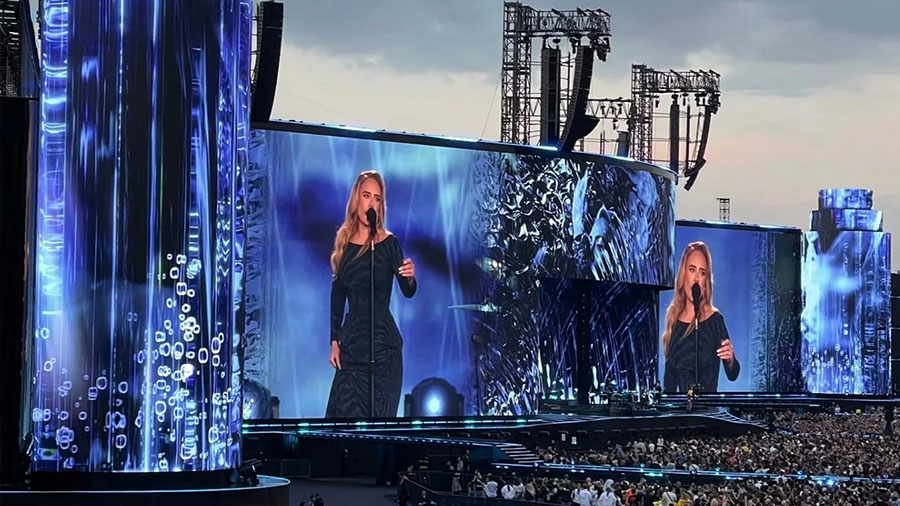
Large-Area Display Requirements
For scenarios requiring large LED screens—such as major concerts, stadiums, and sports arenas—energy-efficient LED screens are often the better choice.
Among screens with the same structure and energy-saving ratio, the amount of energy saved is closely related to the screen’s size.
Larger screens result in greater cost savings, especially for permanently installed large screens used over the long term, where lower costs often lead to a higher return on investment.
Reducing Operating Costs
Large shopping malls and retail stores generally place a high priority on operating costs.
Energy-efficient LED screens feature lower operating and maintenance costs as well as reduced energy consumption, enabling businesses to achieve the same operational results at a lower cost.
Summary
Energy-efficient LED displays have a longer service life, lower operating costs, and reduced carbon emissions, aligning well with global sustainability trends and making them the top choice for an increasing number of businesses.
If you’re interested in purchasing an energy-efficient LED display for your project, please feel free to contact us at JYLED. We’ll provide you with the highest-quality customized solutions and the most reliable energy-efficient products.
FAQs
What does the future hold for energy-efficient LED displays?
There are many new directions for the future development of energy-efficient LED displays. As technology advances, LED displays may incorporate clean energy sources such as solar and wind power for combined power generation, breaking through energy barriers.
Customization options will expand, leading to a wider variety of screen types suitable for applications ranging from large billboards to small digital signage. Overall, the industry will continue to optimize and evolve toward greater intelligence and efficiency.
What types of energy-efficient LED displays are available?
Currently, the energy-efficient LED displays commonly found on the market can be categorized by application into commercial advertising, public displays, and surveillance equipment; if classified by technology, they can be divided into common-cathode displays, PWM-driven IC displays, and flip-chip COB displays.
Will energy-efficient LED displays replace traditional LED displays?
No. Energy-efficient LED displays currently cannot fully cover all types of LED displays; for certain specialized types (such as louvered screens and transparent screens), only traditional LED displays are currently available.
Additionally, energy-efficient LED displays are generally better suited for large-area screens operating 24 hours a day. For users not seeking long-term benefits, lower-priced standard LED displays may be a better choice.
Can energy-saving technology be used for both indoor and outdoor LED displays?
Yes. Energy-saving technology can be applied to both indoor and outdoor displays. Depending on the specific application scenario and technical requirements of a project, you can decide whether to use it.
If so, you’ll need to further select the appropriate display technologies based on actual conditions.

