



If you intend to purchase an LED screen for advertising purposes to generate returns, understanding the return on investment (ROI) for LED screens is a crucial metric.
Below, I shall explore the ROI of LED screens from multiple perspectives and offer recommendations for achieving optimal returns.
What is LED Screen ROI? Why is it vital for advertisers?
The ROI of LED screens refers to the ratio between the revenue generated from advertising on an LED screen and the initial investment cost of the screen itself. Simply put, it helps you understand how much return you can expect for your investment.
Key Factors Influencing LED Screen ROI

Initial Costs
The initial investment in an LED screen encompasses purchase, installation, commissioning, and associated infrastructure setup.
Screen size, performance specifications, and installation site complexity all impact these initial costs, thereby affecting the screen’s ROI.
Therefore, you should develop a projected plan and consult the LED screen manufacturer to devise a reasonable solution.
Net Sales and Profit
The net sales and profit generated from advertising on the LED screen directly correlate with its ROI. Higher net sales and profit from advertisements placed by your operations team will yield a higher return on investment for the LED screen.
Project Revenue
The ROI of LED screens is intrinsically linked to your project. Higher project revenue translates to a higher return on investment.
Your operational team can utilise the screen to broadcast diverse advertising formats, thereby generating advertising revenue to augment project income and enhance the screen’s ROI.
Operational Costs
Operational expenditure constitutes a significant factor influencing the LED screen’s ROI.
These costs encompass electricity consumption, maintenance, equipment upgrades, and routine advertising operations. Prioritising energy-efficient, low-maintenance, and easily upgradeable LED screens can substantially reduce operational expenditure.
LED Screen Product Quality
LED screen product quality pertains to aspects such as durability and service life. Opting for high-quality screens like those from JYLED can extend the screen’s operational lifespan, reduce replacement frequency, and consequently lower maintenance costs.
How to Calculate LED Display ROI?
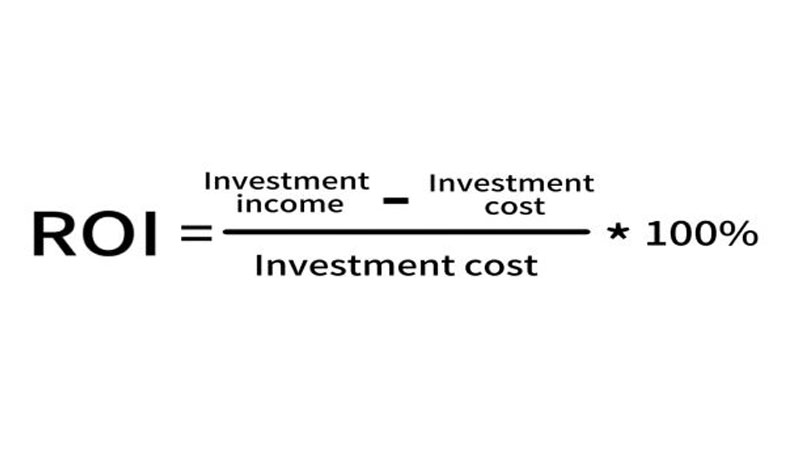
The formula for calculating the ROI of LED screens is:
ROI = (Total Revenue – Total Cost) / Total Cost × 100%
For instance, if the total investment in an LED screen is ¥800,000 and total revenue from advertising reaches ¥110,0000, the ROI would be:
ROI = (110 – 80) / 80 × 100% = 37.5%
An ROI of 37.5% indicates a relatively successful investment. Based on this return rate, you may consider whether to continue investing or upgrade your LED screen solution.
How to maximise the ROI of an LED screen?
After purchasing an LED screen, you may wish to maximise its ROI through advertising placements managed by operations staff. The following methods can assist you:
Leverage analytics for continuous improvement
Most modern LED screens incorporate data analytics capabilities. Operators can refine advertising strategies based on metrics such as audience click through rates, dwell times, and conversion rates to consumers.
To optimize campaigns, operators may employ animated content, videos, or vibrant imagery to capture attention, attract more interested audiences, and thereby maximize the screen’s ROI.
Targeted Advertising for Enhanced Effectiveness

Targeted advertising represents an effective approach to maximising LED screen investment returns.
Operators can tailor advertising messages based on the current scene, time, and specific audience demographics to reach broader audiences and enhance store sales performance.
For instance, operators might screen advertisements for hot milk tea on LED screens during chilly mornings, followed by refreshing fruit tea beverages at midday.
Such precisely targeted advertising yields superior results, boosting the LED screen’s investment return.
Leveraging Digital Efficiency to Reduce Advertising Costs
Digital LED screens offer greater time and cost savings for advertising compared to traditional outdoor media.
Their swift, straightforward operation eliminates the need for printing and distributing physical posters, significantly reducing the time wasted on conventional advertising methods.
Furthermore, operators incur no additional costs when frequently updating screen content. Over time, this approach of utilising digital efficiency to reduce advertising costs significantly enhances the return on investment for LED screens.
Conducting Multiple Campaigns Simultaneously
LED screens enable technicians to use control systems to divide the screen into several independent screen zones.
Each zone can broadcast different campaign content, maximising advertising impact within limited timeframes and achieving a higher return on investment for the LED screen.
Ensure Maximum Exposure at Strategic Locations
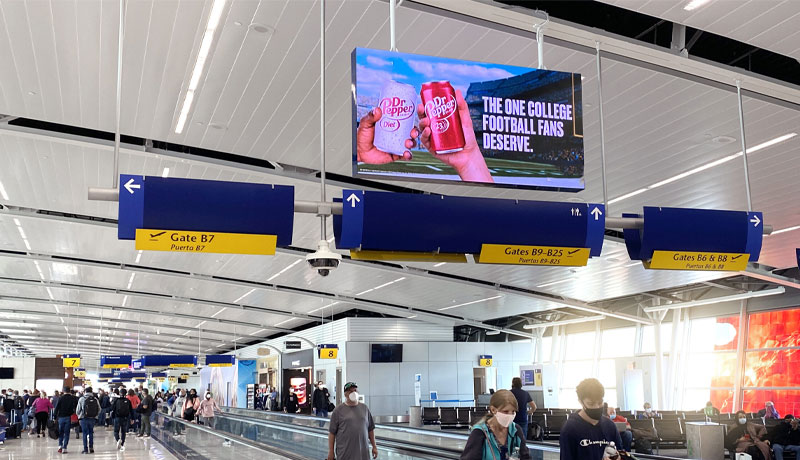
The installation location of LED screens is crucial for maximising ROI. Position screens in high footfall areas with frequent urban activity, such as transport junctions, shopping centres, and large venues.
These locations see constant daily traffic, rapidly boosting brand awareness and exposure while increasing the likelihood of converting viewers into customers.
Partner with professional LED screen suppliers to enhance ROI
A key method to boost LED screen ROI is collaborating with specialised suppliers. JYLED stands as China’s premier LED screen manufacturer.
Our high-quality screens feature extended lifespans and robust durability, reducing operational and maintenance costs. Over time, this approach significantly enhances your LED screen investment returns.
Frequently Asked Questions
How can one maximise profits from LED screens?
Maximising profits from LED screens can be achieved by reducing costs across production, transportation, raw materials, and other areas.
Additionally, expanding business channels and collaborating with brand partners can further optimize profitability.
What constitutes a reasonable return on investment for LED screens?
There is no fixed benchmark for LED screen ROI. Generally, a 5% to 20% return is considered reasonable, though higher returns depend on factors such as your costs and application scenarios.
Is the return on investment for LED screens the same as profit?
The ROI of an LED screen differs from profit. ROI represents the ratio of returns to investment costs, whereas profit denotes the earnings generated from your LED screen investment (total revenue minus total costs).
How does LED screen quality impact ROI?
High quality LED screens excel in durability and longevity, reducing maintenance costs and thereby enhancing ROI.
Conversely, screens with inferior durability and shorter lifespans incur higher maintenance expenses over time, diminishing the overall ROI.
How long does it take for an LED screen to recoup its investment?
The timeframe for an LED screen to achieve payback depends significantly on the initial investment, the value of the advertised content, and operational strategies.
Most advertisers recoup their investment within 1 to 5 years, with the precise duration varying according to commercial application and the scale of capital expenditure.

