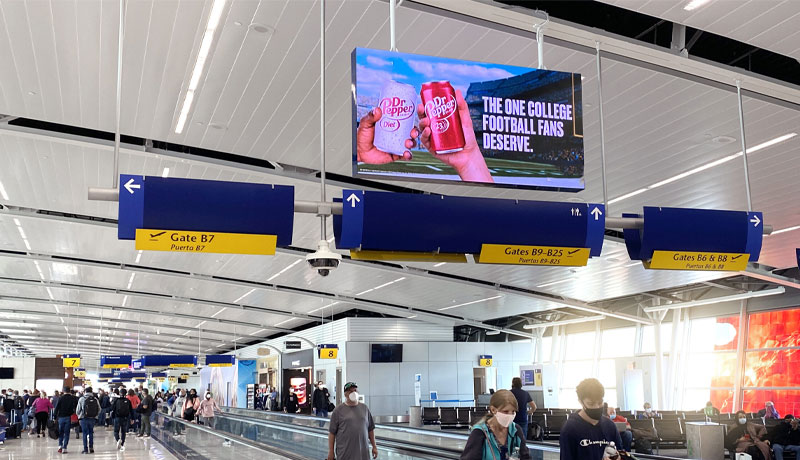
When viewing the same content in different environments, the same image may evoke different perceptions of warmth or coolness.
At the heart of this difference lies the image’s color temperature. It is widely used in LED lighting fixtures and LED displays, where different color temperatures can produce distinct visual effects and sensations.
This article will provide a detailed introduction to the concept of color temperature—covering its functions, variations, and practical applications—as we explore the mysteries of color temperature together.
What Is Color Temperature?
Color temperature is a parameter used to describe the color temperature of visible light, typically measured in kelvins (K).
The temperature it refers to is not in degrees Celsius, but rather the temperature required for the displayed color to reach the state of an “ideal blackbody”—that is, the specific temperature needed for different colors to be rendered.

The Basic Unit of Color Temperature: Kelvin
Kelvin is the unit of color temperature, with a full range of 1,000 K to 10,000 K. Generally, the higher the Kelvin value, the cooler the light appears, often with white or blue hues; the lower the value, the more the light tends to have red or orange hues, giving a warmer impression.
Methods for Measuring Color Temperature
- Color temperature meter: This is a professional instrument used to measure color temperature; simply place it under the light source to read the value in kelvins.
- Spectrometer: A spectrometer is another professional device for measuring color temperature. It measures the light source’s spectrum and analyzes it to determine the color temperature value.
- Camera White Balance: For ordinary people without professional equipment, a camera with a white balance function can also measure color temperature. For example, smartphone cameras in professional mode often feature an AWB (Auto White Balance) function, and the details of some smartphone photos display the specific color temperature value.
The Principle Behind Different Color Temperatures
Color temperature refers to the different colors exhibited by a blackbody as its temperature rises, due to variations in the distribution of the light energy it emits.
To make this easier to understand, imagine a black metal pot as a blackbody: as the pot is continuously heated, its temperature rises, and its color gradually changes from red to orange to yellow to white, eventually turning bluish-white.
Therefore, different color temperatures represent different stages in this color transition.
Classification of Color Temperature
There are many ways to classify color temperature. Here, we’ll use the most typical classification ranges as examples:
- Warm White: Ranging from 2700K to 3500K, this is currently the most commonly used color temperature in the lighting industry. It typically produces a warm, slightly yellowish light, though it may sometimes exhibit reddish or orange hues. Warm white light creates a cozy, comfortable atmosphere that helps people relax.
- Neutral Color Temperature: The neutral color temperature range is 3,500K–5,000K, representing a moderate color temperature. Its light is generally whiter than warm white light but falls slightly below the color temperature range of blue light. The more balanced and natural light it provides effectively stimulates the human body, enhancing clarity and alertness.
- Cool White: The 5,000K–6,500K range represents high color temperatures, often referred to as “full spectrum,” and appears as cool white light. Cool white light closely resembles natural daylight, exhibiting cool tones or a bluish-white appearance. It creates a refreshing, bright visual effect that significantly enhances people’s perception and visibility of their surroundings, while also effectively alleviating seasonal affective disorder (SAD) among people in northern regions.
- Blue-White Color Temperature: Blue-white color temperatures are all above 6500K, producing a light with a bluish tint and an overall cool tone that simulates natural light on a cloudy day. Blue-white light offers good color accuracy and brightens dimly lit areas.
Note: In LED displays, color temperature is not further subdivided; the range is 5000K–10200K.
Comparison Table of Different Color Temperature Ranges
The table below provides a quick overview of the basic characteristics of different color temperature ranges.
| Differences | Warm White | Neutral | Cool White | Blue-White |
|---|---|---|---|---|
| Range | 2700K-3500K | 3500K-5000K | 5000K-6500K | 6,500K+ |
| Tone | Warm tone | Neutral tone | Cool tone | Cool tone |
| Feeling Evoked | Warm, comfortable | Natural, balanced | Refreshing, bright | Cool, crisp |
| Effects | Reduces eye strain and promotes relaxation | Stimulates the body, promoting alertness and wakefulness | Enhances perception and alleviates seasonal affective disorder | Higher color accuracy and better brightness enhancement |
Factors Affecting Color Temperature
Proportion of Light Waves in the Spectrum
The wavelengths of light emitted by different light sources vary; these are typically recorded using a spectrum. Differences in the proportions of these wavelengths determine variations in color temperature.
Low-color-temperature light sources typically consist of long-wavelength spectra, resulting in light with an overall reddish tint; high-color-temperature light sources consist of short-wavelength spectra, resulting in light with an overall blue or cool tint. Therefore, we can conclude that regarding color temperature:
- If the proportion of long-wavelength light in the spectrum increases, the color temperature decreases, and the overall reddish tint of the light becomes more pronounced;
- If the proportion of short-wavelength light in the spectrum increases, the color temperature rises accordingly, and the overall color of the light shifts toward blue or cooler tones.
From the perspective of blackbody radiation, the proportions of light waves and the spectral density in the spectrum at different temperatures correspond to the color temperature values at those respective temperatures.
Illumination Temperature
The decisive factor influencing color temperature is the illumination temperature, which refers to the temperature at which an ideal blackbody is heated.
In most cases, a higher illumination temperature results in the light source emitting predominantly blue light, leading to a higher color temperature; conversely, a lower-temperature light source emits predominantly red light, resulting in a lower color temperature.
Thus, we can conclude that color temperature is directly proportional to the heating temperature of the blackbody—that is, the higher the blackbody temperature, the higher the color temperature.
Color of the Light Source
The color of the light source determines the hue of the light and, to a certain extent, also affects color temperature. When the color temperature and spectrum are the same, different colors of light sources often emit light of different wavelengths, resulting in different color temperatures.
That is, if the light source has a warm hue—such as red or yellow—the color temperature is generally lower; if the light source has a cool hue—such as white or blue—the color temperature is higher.
Applications of Color Temperature in Everyday Life
Color temperature plays a role in many aspects of daily life. The following section highlights some of the more common usage scenarios:
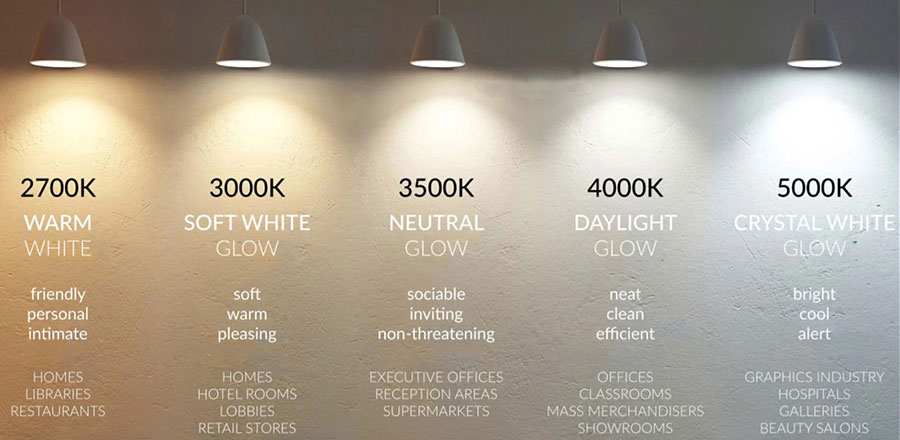
LED Lights
LED lighting is the field where color temperature is most frequently utilized. By adjusting the color temperature, different lighting tones can be achieved to meet the specific lighting color requirements of various environments.
For example, in residential spaces such as living rooms and bedrooms, or in retail settings where people seek relaxation and leisure, warm light with a low color temperature is often used to create a cozy and comfortable atmosphere.
In contrast, corporate and industrial office environments typically employ white or blue light with a higher color temperature to provide better visibility and illumination, thereby enhancing alertness and work efficiency.
In addition, LED lights often utilize daylight, which has a higher color temperature but also provides superior lighting quality.
By selecting an LED light with the appropriate color temperature based on the usage environment and desired ambiance, you can achieve an optimal lighting experience.
Digital Photography
In digital photography, the mapping of different color temperatures is commonly used to simulate variations in ambient color temperature. In most digital cameras and smartphone cameras, users can preset color temperatures for different environments directly through the camera’s AMB mode before shooting.
Alternatively, color temperature can be adjusted during post-processing using RAW image editing software (such as Adobe Photoshop or Capture One), thereby fulfilling the photographer’s pursuit of artistic effects and achieving better shooting results and image quality.
Aquaculture
Color temperature serves different functions and has different priorities for various types of aquaculture products. This section primarily covers the following two types:
Freshwater Aquaculture
In freshwater tanks, color temperature is mostly used to create visual effects. We can use lighting fixtures with appropriate color temperatures to achieve more aesthetically pleasing lighting effects.
In a few cases, color temperature adjustments may also take into account the survival needs of the organisms in the tank.
Marine/Coral Reef Aquaculture
In this type of aquaculture, color temperature is primarily used to maintain the health of the organisms in the tank. Short-wavelength light provides the necessary energy source for all algae essential to the normal survival of coral reefs.
Within the 400–3,000 nanometer wavelength range, short-wavelength light typically has better penetration and more closely mimics the light conditions corals experience in their natural environment.
Therefore, in saltwater tanks, aquarists often use short-wavelength light with a high color temperature of 6,500K to support normal coral reef growth.
Desktop Publishing
Using standard light sources for color temperature ensures that the printed results of publications match the colors displayed on the monitor during the design process. Common standard light sources for monitors include CIE D50, CIE D55, and D65.
You can use color-matching software to measure a monitor’s color temperature and verify whether the displayed color temperature matches reality, thereby determining if adjustments are needed.
Alternatively, you can export content in CMYK format using design software; the colors displayed in CMYK files differ only slightly from the actual printed results.
Monitors
Currently, most monitors running the Windows operating system on the market use sRGB as their color gamut and have a default color temperature of 6500K. A fixed color temperature ensures high color accuracy, stable images, and superior display quality.
A monitor’s color temperature is not set in stone; in some newer operating systems, you can adjust the device’s color temperature automatically or manually through the system settings. For example, in Windows 11 22H2, the system reads the monitor’s DisplayID data and uses ACM to automatically adjust the settings, ensuring optimal display quality.
Why is it important to choose the right color temperature for LED displays?
For LED displays, color temperature largely determines the overall color tone and atmosphere of the display. If the color temperature is appropriate, it can effectively enhance the viewer’s experience; conversely, an inappropriate color temperature can diminish it.
Therefore, it is essential to select the right color temperature for LED displays.

Color Accuracy
Compared to LED displays with a lower color temperature range, those with a higher color temperature range often offer better color accuracy. The cool light of high color temperatures appears bright and translucent, effectively enhancing the vibrancy of on-screen colors.
More vivid colors also perform better under high color temperatures, as they are less affected by hue variations that could cause color discrepancies.
Viewing Comfort
LED screens with different color temperatures have varying effects on eye comfort after prolonged use.
LED screens with high-color-temperature cool white light contain more blue light; this blue light helps viewers maintain clarity and is well-suited for professional settings such as corporate conference rooms and hospital displays.
LED displays with low color temperature (warm white light) emit a softer glow, and their warm tones effectively soothe the eyes, making it easier for viewers to relax.
They are better suited for use in more relaxed and comfortable environments, such as home theater LED screens and
Brightness and Color Consistency
When using multiple LED modules simultaneously, selecting the appropriate color temperature can ensure more consistent brightness and color across the display.
Due to differences in the manufacturing process, the light-emitting wavelengths of different LED modules may vary slightly, resulting in minor color discrepancies.
To achieve a harmonious and seamless display effect across multiple , additional adjustments to the color temperature are necessary to ensure color consistency, creating a more harmonious and fluid image.
Image Contrast
Different color temperature settings can also affect the contrast of the LED display.
In most cases, LED screens with higher color temperatures typically offer better contrast. A higher color temperature effectively enhances the perceived brightness of the LED display, allowing the human eye to perceive higher contrast when viewing the screen.
This results in clearer image details, a more realistic picture, and an overall improved visual experience.
However, this improvement is merely an optical illusion created by the human eye; the actual contrast and image quality of the LED screen remain unchanged.
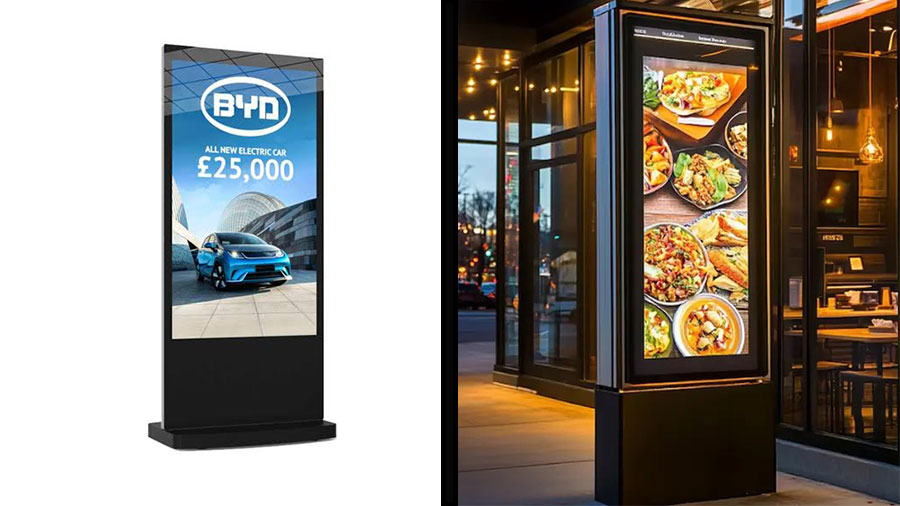
Making Content Stand Out
Adjusting the color temperature based on the specific content displayed on the LED screen often yields more striking results. For example:
- When displaying food advertisements, use adjustment software to lower the LED screen’s color temperature, giving the image an overall warm tone that makes the food look more appetizing.
- When displaying advertisements for digital electronics, raise the LED screen’s color temperature to achieve a cool-toned light, making the products appear more high-tech and futuristic.
How to Adjust the Color Temperature of an LED Display
In the LED display industry, the color temperature range is 5,000K–10,200K; there is no fixed value, and the color temperature of each LED display may vary slightly.
Before shipment, technicians adjust and set the color temperature of the LED display based on whether the white on the screen appears normal to the human eye.
Due to unavoidable manufacturing tolerances, even LED modules from the same batch may exhibit slight variations in color temperature.
However, users can later optimize and fine-tune the screen’s color temperature using the LED display’s color temperature adjustment software.
Color temperature can be adjusted by modifying the brightness of the red, green, and blue LEDs. A higher proportion of blue light increases the LED display’s color temperature; while an increase in the red luminous ratio lowers the color temperature. This ensures optimal screen display performance and meets display requirements.
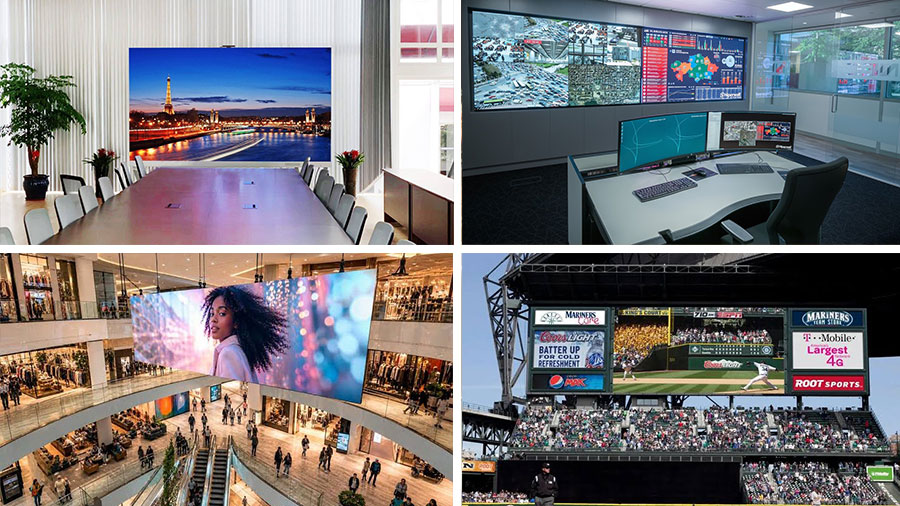
Selecting the Appropriate Color Temperature for Different LED Screens
Although the color temperature of LED displays is typically specified as a range, it is calibrated by professionals before the screen leaves the factory to ensure color accuracy in the displayed images.
Broadcast Studios and Conference Rooms
The color temperature of and broadcast studio LED displays is generally around 5000K. Both of these settings are work environments that require clear, well-lit conditions and accommodate extended viewing periods.
Warm light with too low a color temperature can cause people to relax and lose focus, while prolonged exposure to high-color-temperature light can lead to eye strain.
A color temperature of 5000K effectively ensures the clarity of screen content and visibility, facilitating the effective communication of displayed information.
Monitoring Rooms and Integrated Control Centers
LED screens conforming to the D65 daylight standard are commonly used in monitoring rooms and integrated control centers.
The D65 daylight standard ensures that the screen displays surveillance footage and various types of information with colors that are as true-to-life as possible, with minimal influence from color casts and little impact on the information displayed.
At the same time, compared to higher color temperatures, 6500K has a lower impact on the eyes. These fine-pitch LED screens also allow for fine-tuning of the color temperature within a range of 6500K to 7500K.
Mall LED Advertising Screens
Mall LED screens typically operate at a color temperature of around 6000K, which provides excellent display performance for
A higher color temperature of 8000K enhances visual contrast, making images appear vivid and refined, thereby significantly improving display quality.
Additionally, the higher color temperature adapts well to the bright indoor environments of malls, improving the visibility of on-screen content.
Large Stadium LED Displays
used in large stadiums typically have color temperatures of 7,500K or higher, with maximum color temperatures reaching 9,000K.
The screen’s color temperature may fluctuate slightly in response to changes in the external environment. During daytime use, when outdoor light is abundant and ambient brightness is high, increasing the screen’s color temperature makes the images brighter and improves the visibility of the content.
At night, as external ambient light diminishes, the screen’s color temperature is lowered—though never below 7,500K—to ensure natural, accurate colors while providing viewers with an optimal visual experience.
Conclusion
This article provides a comprehensive overview of color temperature. Color temperature has a wide range of applications in our daily lives, and different color temperatures have their own characteristics and suitable use cases.
Therefore, you can select the appropriate color temperature for your equipment based on your specific use case and requirements.
If your project currently requires an LED display with specific color temperature requirements, please feel free to contact JYLED. We will provide you with the most professional service and the highest-quality customized solutions.
FAQs
Can the color temperature of all LED displays be adjusted?
Not necessarily. Whether an LED display’s color temperature can be adjusted depends on various factors, including whether it uses the RGB color model, whether it is a, whether the hardware design supports it, and whether external adjustment via software is possible.
Monochrome LED displays and seven-segment LED displays cannot have their color temperature adjusted.
Is a higher color temperature always better?
Not necessarily. The appropriate color temperature should be selected based on specific usage requirements, rather than simply pursuing a higher value.
A higher color temperature only makes the tone cooler; if set too high, it can cause the image to deviate from its original colors, resulting in an overall bluish tint and significant color discrepancies.
Besides blue, what other colors fall under the “cool” color spectrum?
In addition to blue, there are green, purple, and their mixed hues. If blue, purple, and green are mixed with neutral colors, those neutral colors will also appear to lean toward cooler tones.
What is the most commonly used color temperature range for LED displays?
In the LED display industry, the most commonly used color temperature range is 5,000K–10,200K. This range is also the standard in the industry, and the color temperature values of most LED displays fall within this range.
What is the relationship between the brightness and color temperature of an LED display?
Theand color temperature of an LED display are two independent physical quantities. Brightness refers to the amount of light output, measured in nits, while color temperature refers to the white display effect on the LED screen and describes the hue of the light, measured in kelvins (K).
However, a high color temperature can make the screen appear brighter to the eye, even though the actual brightness of the LEDs remains unchanged.
What is D65?
D65 is the most common light source used in standard illuminant chambers, indicating a color temperature of 6500K. Here, “D” stands for daylight, and “65” represents the color temperature value.
It emits cool white light; because it closely resembles natural light on a clear day, it is also known as the national standard for artificial daylight. Similar designations include D75 and D55.
Does color temperature affect the lifespan of an LED display?
Color temperature has virtually no effect on LED displays. It only affects the warm or cool tones of the displayed image; the is the primary factor affecting its lifespan.