



It is normal for LED screens to get hot, so there is no need to worry too much. However, if the LED screen gets too hot, you need to take some measures to solve the problem, otherwise it will cause damage to the LED screen. If you are not familiar with the solutions, you can follow this article to learn more!

Reasons for LED screens getting hot
Whether running for a long time or a short time, LED screens will generate a certain amount of heat. When the heat accumulates to a certain level, it will cause the temperature of the LED screen to rise, resulting in the LED screen getting hot. So, what are the effects of LED screens getting hot? Let’s take a look.
What are the effects of LED screens getting hot?
Decreased display quality
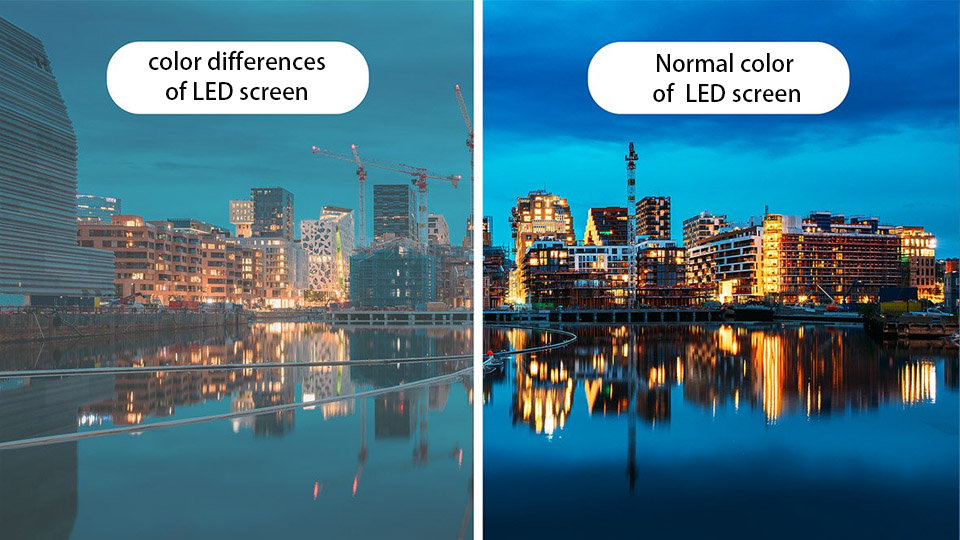
When LED screens get hot, it reduces the light efficiency of the LED chips and the performance of the IC chips, causing the display to flicker and showing signs of decreased display quality, such as color differences and image ghosting. These signs can easily cause visual fatigue and give you a bad viewing experience.
Shortened component life
Under normal circumstances, LED screen components use insulating materials to extend their service life, but when the LED screen gets hot, the high temperature environment accelerates the aging of the insulating material, reducing its performance. At the same time, it increases the pressure on the internal components, causing them to crack or delaminate, thereby shortening their service life.
Increased overall risk of failure
When the temperature generated by the LED screen getting hot exceeds the temperature that the components can withstand, the insulating material of the components will fail, causing a short circuit or open circuit, which may seriously burn out the LED screen and cause a fire.
Now that we understand the effects of LED screen getting hot, let’s take a look at how to solve the problem of LED screen getting hot.
How to solve the problem of LED screen overheating?
Ensure ventilation around the LED screen
Keep the LED screen away from walls or other obstacles, with a distance of more than 50mm, in order to alleviate the problem of the LED screen getting hot. If there is no ventilation around the LED screen, the heat generated by the LED screen will remain inside, shortening the overall life of the LED screen.
Install air conditioning or fans
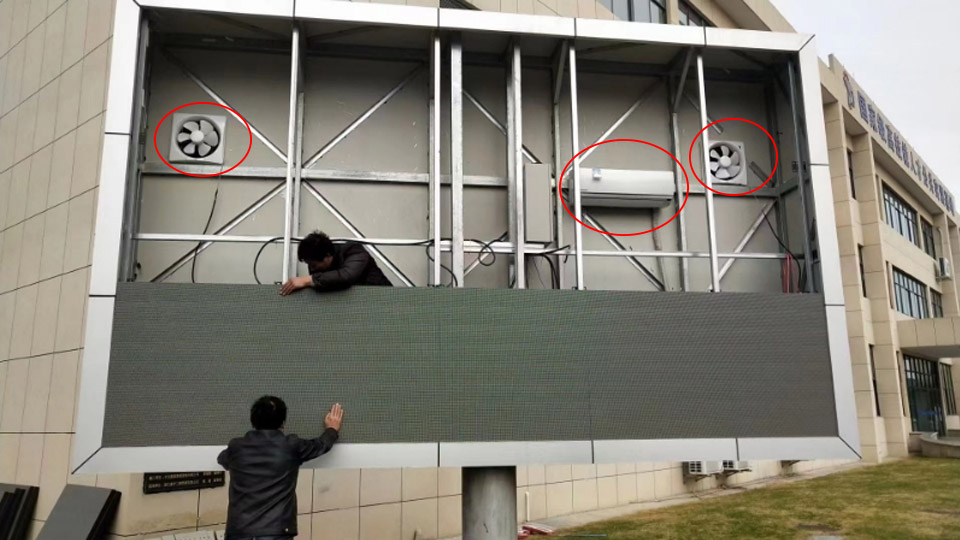
If the LED screen cannot be placed in a ventilated environment, it is necessary to create a ventilated environment by installing air conditioning or fans around the LED screen to accelerate air flow, reduce the temperature generated by the LED screen getting hot, and enable the LED screen to operate normally.
Adjust the brightness level
Long periods of high brightness operation will cause the LED screen to generate more heat, so appropriately reducing the brightness of the LED screen will reduce the phenomenon of LED screen getting hot to a certain extent.
Check the power supply
When the voltage fluctuates, the current is unstable, or the power is insufficient, more heat will be generated, causing the LED screen to get hot. Therefore, make sure that the power supply device connected to the LED screen meets the supplier’s standards so that the LED screen does not generate more heat energy, bringing you a comfortable viewing experience.
Conclusion
In general, LED screens get hot, but there is no need to worry too much. If the temperature is particularly high, then you need to take some of the above measures to reduce the phenomenon of LED overheating.

