



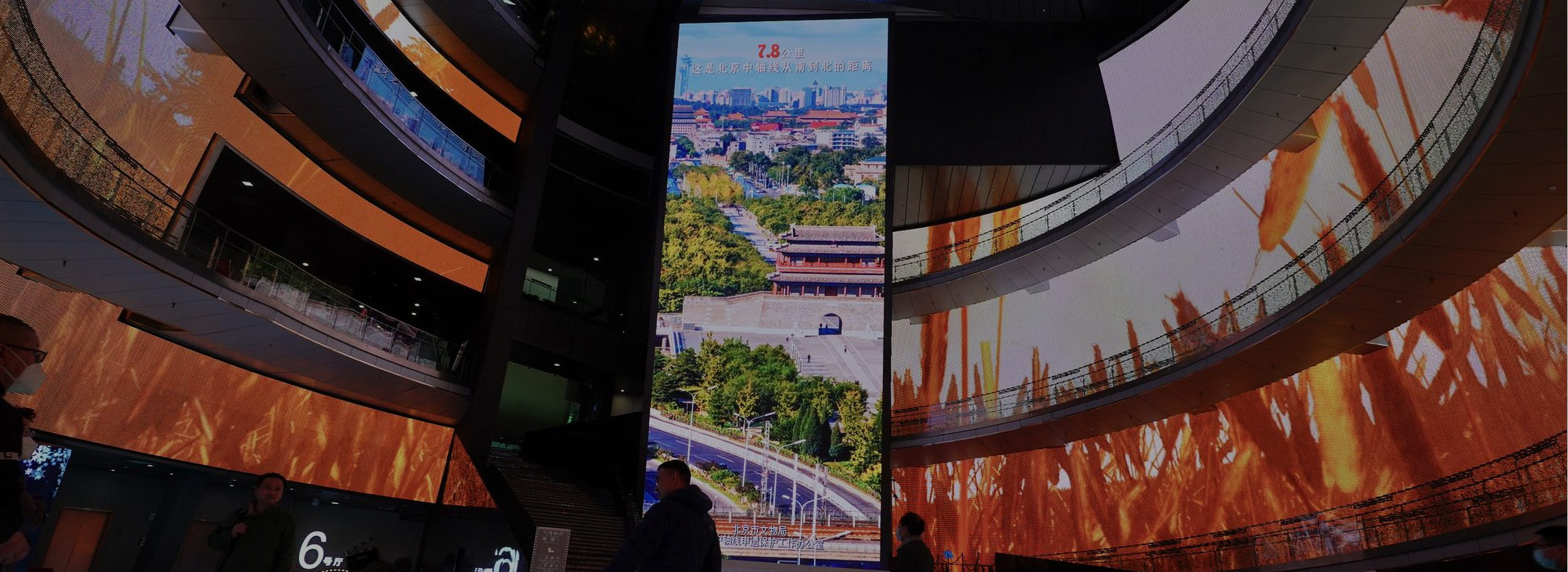
What is a museum LED screen?
The museum LED screen is a dynamic display device composed of seamlessly connected LED modules. It features high brightness, high contrast, wide viewing angles, and strong usability. With its outstanding performance and exceptional display quality, it has become an essential tool for showcasing artworks and providing interactive educational experiences in museums.
Moreover, museum LED screens can be integrated with audio systems to offer a comprehensive audiovisual experience for exhibitions, providing visitors with an immersive viewing experience.
Unlike static displays, the museum’s LED screens can easily update display content and support rotating exhibits, keeping the visuals fresh and engaging. By presenting historical stories and artifacts through high-definition images and dynamic video content, the screens attract visitors in innovative ways, making the viewing experience lively and enjoyable.
Main Categories of JYLED Museum LED Screens
LED screens provide museums with outstanding visual effects and have transformed the way museums display artworks, artifacts, and information. Below are the basic categories of JYLED museum LED screens. If you would like to learn more, please click the button below to contact us.
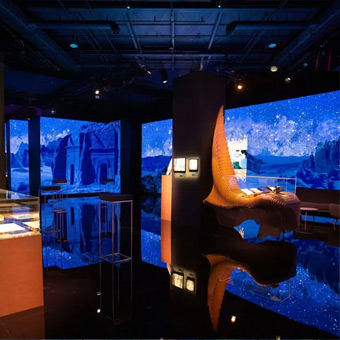
JYLED indoor museum LED screens have a brightness range of 500–1200 nits, emitting a soft, non-glare light. They deliver stunning effects while effectively showcasing the details and characteristics of museum artifacts and artworks.
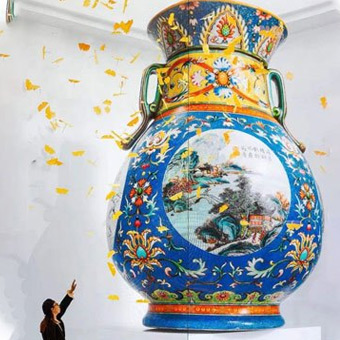
3D LED screens primarily use L-shaped cabinets in conjunction with 3D content, leveraging the visual differences between human eyes to create a stereoscopic image quality. When combined with historical artifacts, 3D museum LED screens produce vivid and lifelike visuals that captivate audiences.
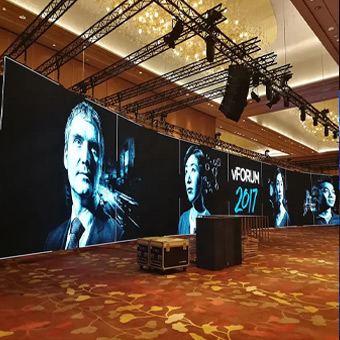
Rental museum LED screens feature lightweight cabinets with high flexibility, enabling quick installation and dismantling. They can be installed in temporary or short-term exhibitions to enhance exhibition effects and increase audience engagement.
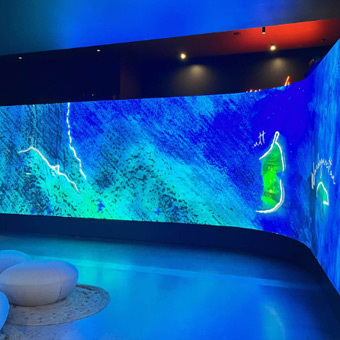
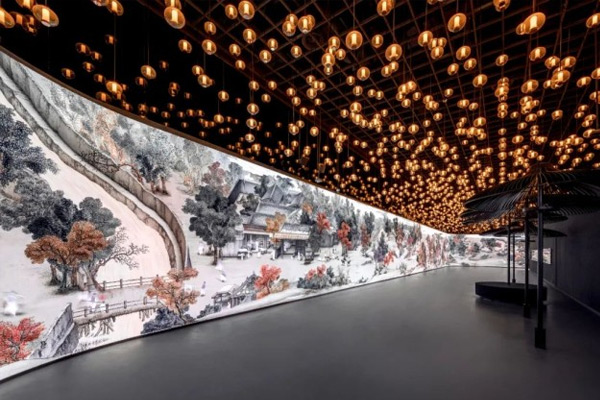
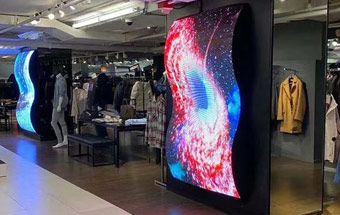
Curved museum LED screens are a type of flexible LED screen, typically made using flexible PCB boards, allowing them to be bent into various creative shapes. They can be installed on irregular surfaces, adding artistic expression to museums.
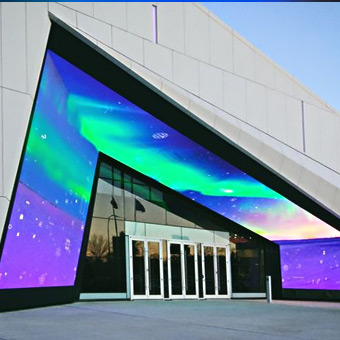
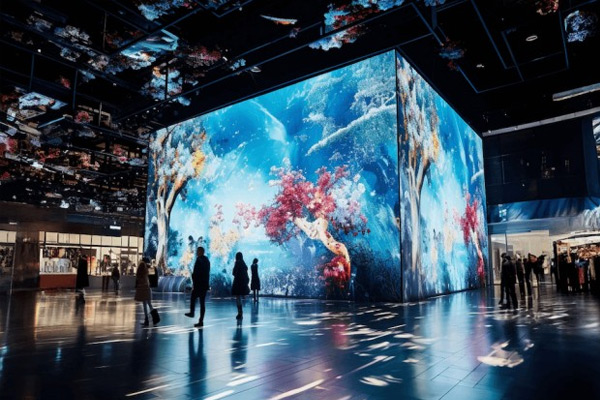
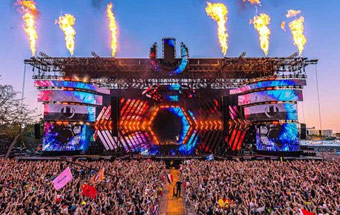
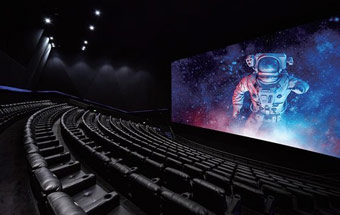
Large-scale museum LED screens are composed of multiple LED modules assembled into proportionally large screens, featuring seamless, high-resolution surfaces. They not only present images clearly and intricately, but also provide audiences with an immersive visual experience.
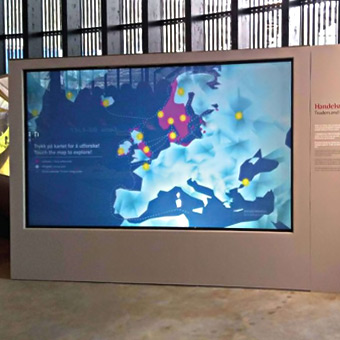
Our small-pitch museum LED screens have a smaller pixel pitch and higher pixel density, making them ideal for close-up viewing within museums. They can be used to display clear images or text, facilitating close-up viewing and examination by visitors.
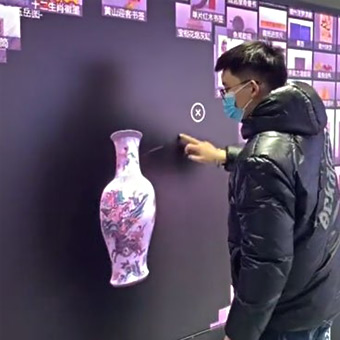
The most notable advantage of interactive museum LED screens is that visitors can engage in interactive experiences through finger swipes, gestures, or other body movements. They are commonly used in educational exhibits, collaborative projects, or storytelling, facilitating interactive learning for visitors.
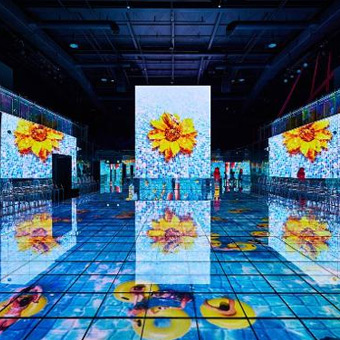
Transparent museum LED screens offer up to 85% transparency, allowing visitors to enjoy their stunning visual effects without obstructing museum exhibits. They are ideal for installation on glass walls, museum facades, or modern art installations, enhancing the technological feel of the exhibition space.
Key Features of JYLED Museum LED Screens

Using LED walls for museum events not only provides the ability to freely adjust brightness but also offers a wide viewing angle, with a horizontal and vertical field of view of 160 degrees. Regardless of the viewing angle, the image content remains clear and visible, effectively reducing visual fatigue.

The LED wall is designed to provide museum visitors with an immersive visual experience, hence it supports HDR functionality. This allows it to display a broader dynamic range while ensuring smoother transitions between light and dark areas, delivering visuals that are both lifelike and natural.

Museum LED screens typically use LED modules with smaller pixel pitches and wider color gamuts, and support multiple high-resolution formats such as 4K and 8K. This provides clear, detailed, and color-rich visual effects, ideal for displaying artifacts and content in high definition.

Since JYLED museum LED screens use high-quality LED light sources, they consume less energy and operate silently. This protects artifacts from temperature fluctuations while providing a quiet and comfortable viewing environment.

The LED screens used in museums are made with high-end components and materials, resulting in a service life of up to 100,000 hours and high reliability. After production, they undergo 72 hours of aging tests and product certification to ensure excellent long-term performance and reliability.

Museum LED screens can be flexibly controlled via LED control software to display content on each LED chip, allowing museum staff to easily add, update, or delete exhibition works at any time, further enhancing the museum’s freshness.
JYLED museum LED screens deliver an immersive experience
JYLED museum LED screens utilize 3D modeling technology to significantly enhance exhibition effects and interactive experiences. Through 3D modeling, they not only display three-dimensional models of artifacts from multiple angles and perspectives but also allow visitors to rotate and zoom in/out to deepen their understanding and appreciation of the artifacts.
Additionally, the museum LED screen can utilize 3D effects and real-time rendering technology to transform static exhibitions into high-definition dynamic exhibitions, creating a strong visual impact and providing visitors with a more vivid and immersive experience.


Richness and diversity of dynamic content display
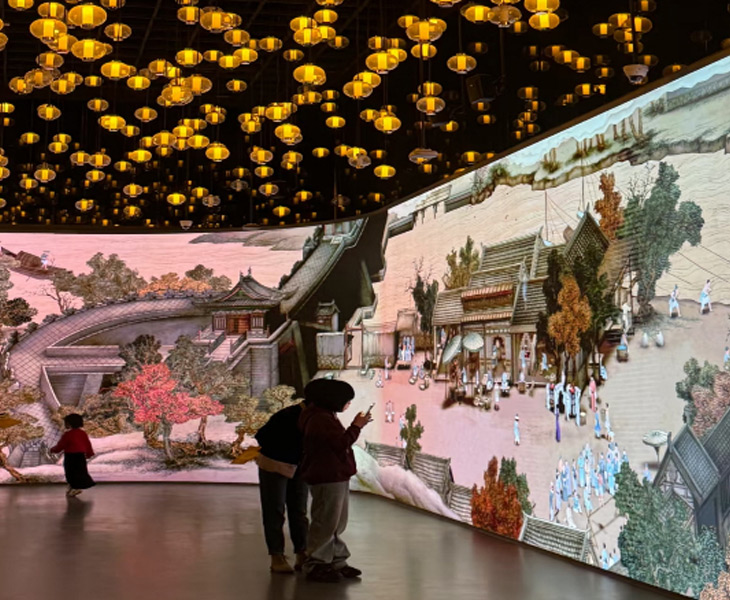
Museum LED screens can achieve dynamic visual effects that traditional display devices struggle to replicate, such as showcasing videos of the creation process, historical background, and cultural knowledge of artifacts. High-definition video displays bring artifacts to life.
The dynamic content on museum LED screens is rich and diverse, adaptable to different themes and scenarios, keeping visitors engaged and curious throughout their viewing experience. This not only enhances the appeal of exhibitions to audiences but also makes museums more modern and technologically advanced, further improving economic benefits.
Museum LED screens have strong impact resistance
JYLED’s museum LED screens use advanced manufacturing processes, featuring durability and robustness, with excellent dustproof and waterproof performance, maintaining good performance in outdoor environments.
Additionally, the screens use specialized protective coatings and modular designs, making them highly impact-resistant. They are not easily damaged by external impacts and can withstand frequent use and occasional contact from visitors without suffering wear and tear.
Interactivity and engagement
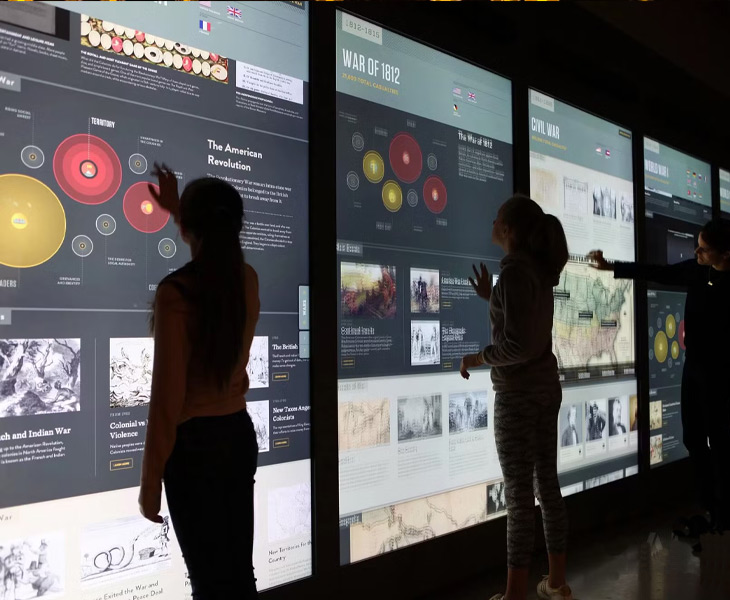
Museum LED screens offer multilingual information, zoom, and touch functionality. For example, visitors can simply touch the screen to access detailed information about artifacts.
This feature not only allows visitors to interact directly with the content, enhancing their experience and engagement, but also provides personalized display of content and interactive methods tailored to the needs of different visitors.
Furthermore, the interactive functions of museum LED screens enable visitors to explore themes at their own pace, creating a personalized and memorable visit experience. They also support interactive mini-games that test visitors’ knowledge of the museum and provide entertainment during breaks, enhancing overall fun and engagement.
What benefits can JYLED museum LED screens offer you?
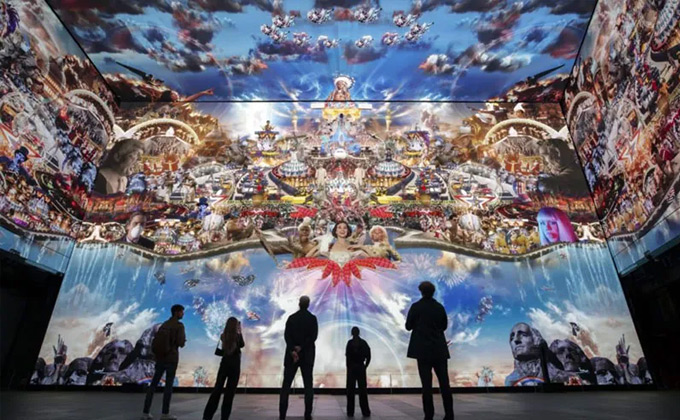
Aesthetic Design
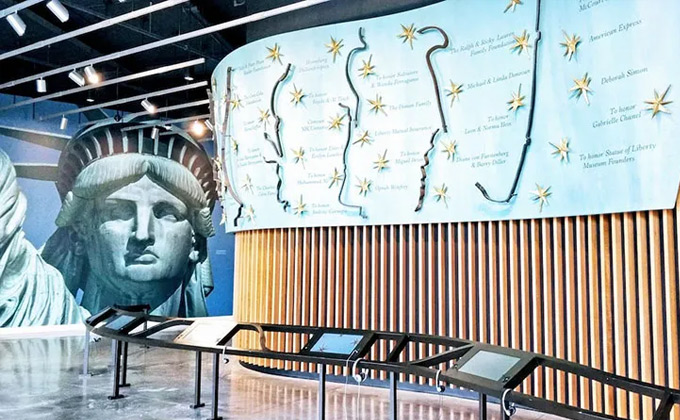
Our museum LED screens not only showcase artworks and artifacts with high-definition, clear performance, helping visitors understand artifacts and artworks more quickly, but also decorate and beautify the museum environment, thereby enhancing spatial aesthetics and attracting visitors’ attention.
Space-saving
If you want to make the most of the museum’s limited space and improve space utilization, you can use LED walls for museum activities. Not only can they display a large amount of information and graphic effects, but they can also accommodate more artifacts and visitors.
Visitor experience
If you use LED walls for museum events, they can bring excellent visual impact, allowing visitors to enjoy a brand-new viewing experience while appreciating cultural relics or works of art, thereby enhancing visitor experience and participation. Most importantly, they can also create more economic value for museums.
Marketing Effect
JYLED’s museum LED screens feature outstanding display performance and exceptional visual effects, not only attracting numerous visitors to drive sales growth for the museum but also enhancing the museum’s brand value, enabling your museum to stand out in a highly competitive market.
Heritage Protection
Using LED walls for the image display of rare and fragile artifacts in museums not only protects the integrity of the artifacts but also meets the audience’s need for close-up viewing. It avoids the artifacts being exposed to light and high temperatures for extended periods, thereby significantly reducing the risk of damage to the artifacts.
Where can LED screens be used in museums?
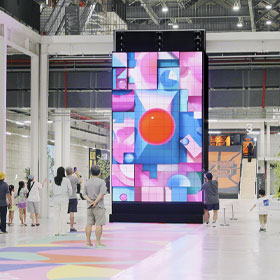
In museum digital exhibitions, LED screens can be used to display high-resolution images and videos, making exhibit information more vivid and engaging to capture visitors’ attention. Additionally, through interactive designs such as touchscreens and gestures, you can enable visitors to participate in knowledge quizzes, simulated operations, and other interactive experiences, enhancing their sense of involvement and learning enjoyment.
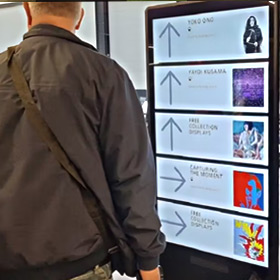
JYLED museum LED screens feature positioning and tracking technology to help visitors customize smooth tour routes and make real-time route adjustments, ensuring they reach their destinations faster. They also provide way finding instructions to reduce visitor burden.
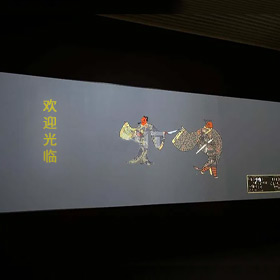
Using LED screens as a welcome wall at museum entrances or lobbies not only enhances the atmosphere and attracts visitors but also serves for brand promotion, displaying important announcements, or event content.
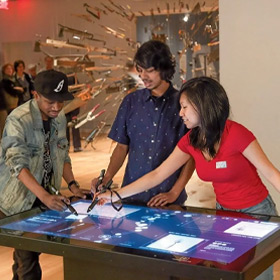
Interactive LED screens in museums can display background history, biographies of famous figures, artifact histories, or art analysis, and can be used with subtitles and multiple language options to create an immersive, interactive learning environment for visitors.
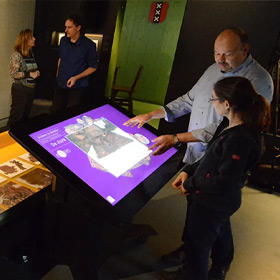
LED screens can be used in museum seminars, lectures, and other events to display presentations, live streams, and lecture materials. They can also facilitate interactive elements such as voting or Q&A sessions during events, enhancing meeting efficiency and visitor experience.
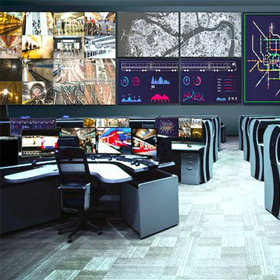
LED screens can be used for museum security monitoring, not only displaying real-time surveillance footage, but also enabling security personnel to monitor the museum’s real-time status and coordinate patrols efficiently.
JYLED Museum LED Screen Installation Locations
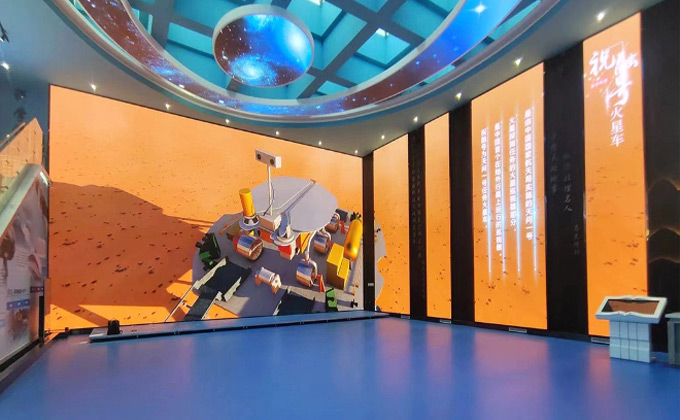
The entrance and lobby serve as crucial points of connection between visitors and the museum. Installing LED screens in these areas can leave a positive impression of the museum. By displaying the museum’s history or mission, visitors can gain a deeper understanding and appreciation of the institution.
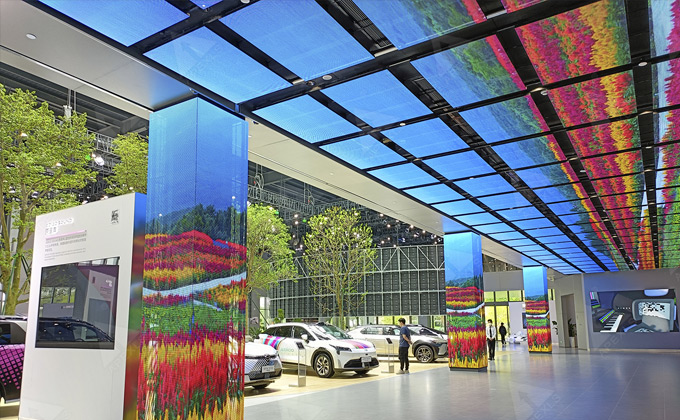
The exhibition hall is the heart of the museum, primarily used to showcase key artifacts, artworks, and exhibits. Installing LED screens here enhances narrative storytelling, allowing visitors to experience artifacts more intuitively.
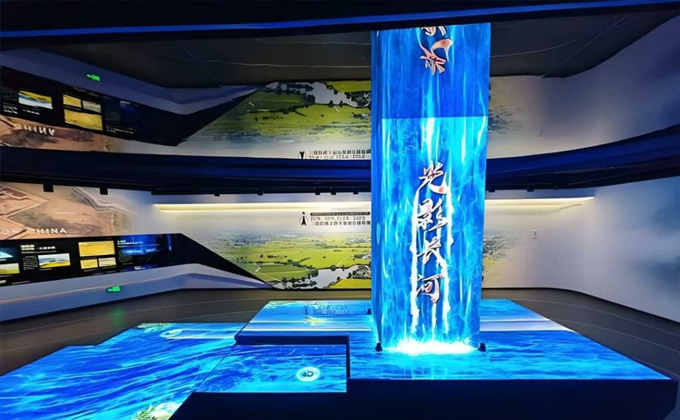
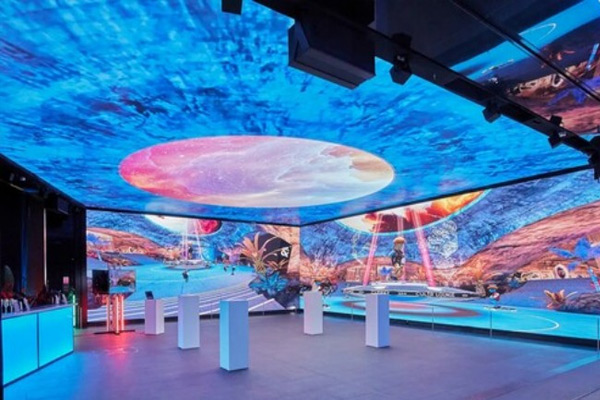
Installing LED screens on museum ceilings or vertical walls offers numerous benefits. They create a strong visual impact, immersing visitors in the imagery, while also delivering a more engaging and technologically advanced visual experience.
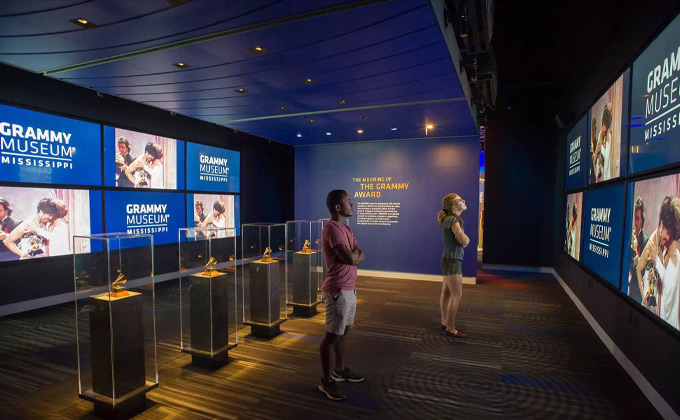
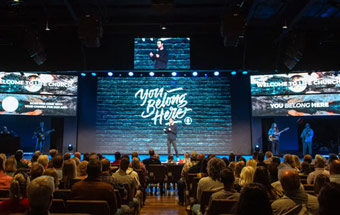
LED walls are used in museums for seminars, lectures, and other events to display presentations, live broadcasts, and lecture materials. They can also be used for interactive activities such as voting and Q&A sessions during events, which helps improve meeting efficiency and the audience’s experience.
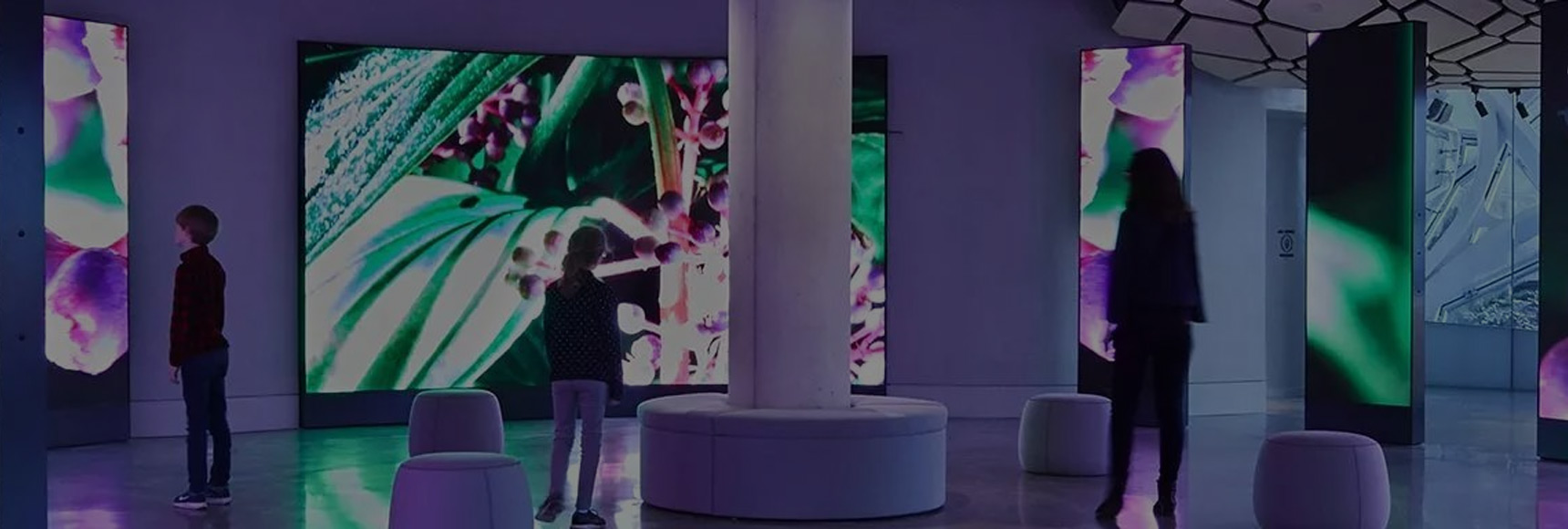
Kinetic LED Screen Case show
- Case show
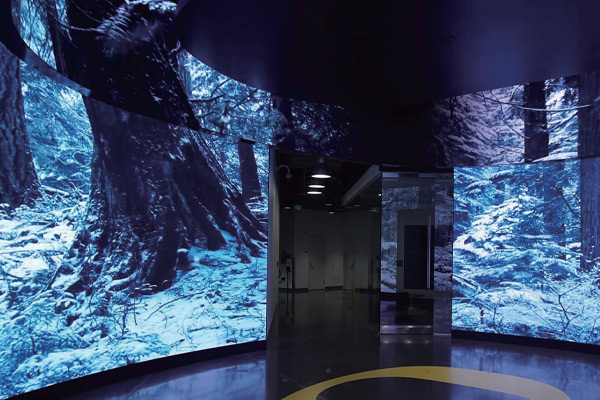
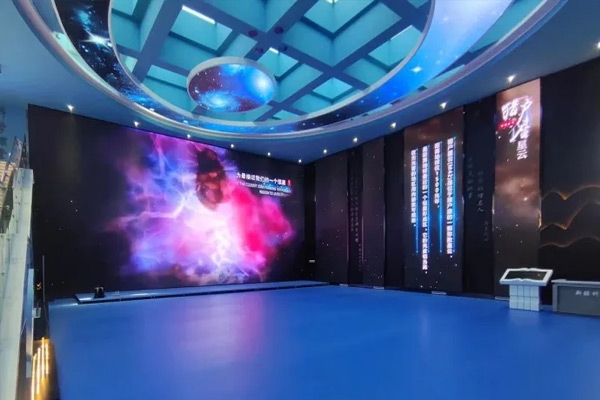

Yes. JYLED can provide the optimal museum LED screen solution tailored to your installation location and viewing requirements, as well as customize screens of different shapes and sizes based on the museum’s structural and spatial characteristics to maximize space utilization.
The brightness of museum LED screens must consider both outdoor and indoor venue requirements. Indoor museum LED screens typically have a brightness of 500–1200 nits, while outdoor museum LED screens generally have a brightness of around 4,500–5,000 nits to ensure visibility under strong sunlight.
Methods for controlling museum LED screens include synchronous control, asynchronous control, and cloud-based management. Additionally, our museum LED screens support various control options such as Wi-Fi, LAN, 4G, USB, computer, or mobile access devices.
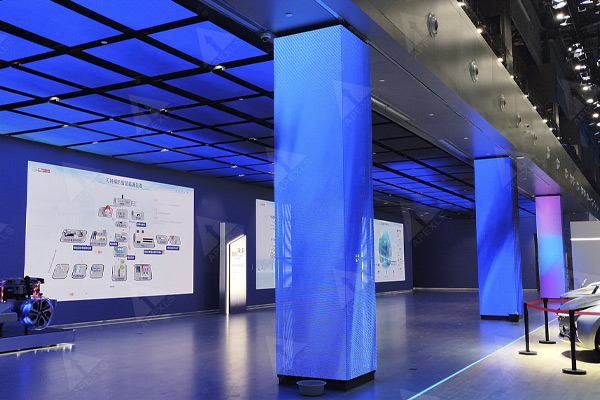
Common installation methods for museum LED screens include ceiling-mounted installation, freestanding installation, and wall-mounted installation.
Wall-mounted installation is suitable for areas such as corridors and gallery corners, ceiling-mounted installation is suitable for large ceilings, halls, or open areas, while freestanding installation is suitable for self-guided exhibitions and entrance areas.
Therefore, the choice of installation method depends on your placement requirements, functional needs, and the spatial constraints of the museum.