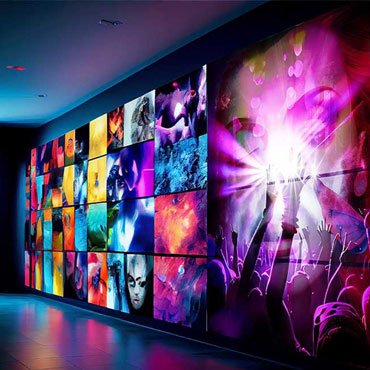
What Is an LED?
Definition of an LED
LED stands for Light Emitting Diode, and it is a type of semiconductor electronic device. Originally, LEDs could only emit low-intensity infrared light and were used to indicate whether a circuit was properly connected. However, with the development of blue and green LEDs, their applications have been continuously expanded, leading to explosive growth.
This evolution spans from early lighting applications to the later adoption in commercial display screens. Today, LEDs have become an indispensable component of daily life. Whether in everyday items like LED light bulbs and LCD monitors, or in commercial applications such as LED indicator lights and LED display screens, LEDs are everywhere.
The History of LED Development
The history of LEDs dates back to 1906. Let’s take a look at the timeline:
- 1906: A British engineer named Henry Joseph Land discovered the electroluminescence phenomenon in solid-state diodes and published his findings in the February 1907 issue of *Electrical World*;
- 1927: A Soviet inventor named Oleg Losev invented the silicon carbide light-emitting diode;
- 1962: Thanks to the efforts of engineers at Texas Instruments, red LEDs made from GaAs (gallium arsenide) were officially introduced into the commercial market.
- 1970–1975: As semiconductor planar manufacturing processes matured, automated packaging emerged, GaAsP materials became established, and HP and Monsanto drove large-scale production, these combined factors caused the price of LEDs—which had originally been as high as $200—to drop below 5 cents. Consequently, an increasing number of small electronic devices based on LEDs began to appear.
- 1990: The blue light-emitting diode was jointly developed by Shuji Nakamura, Hiroshi Amano, and Isamu Akasaki, officially ushering in the modern era of lighting.
Why Are LEDs So Important?
- Transforming the Lighting Industry: Incandescent bulbs had long been the standard for lighting primarily because LEDs were unable to emit white light. After Shuji Nakamura, Hiroshi Amano, and Isamu Akasaki jointly developed the blue light-emitting diode, the addition of yellow phosphors enabled the production of bright white light. This completely transformed the lighting industry, leading to the gradual replacement of many lighting fixtures with LEDs.
- Transforming the Display Industry: The display industry was originally dominated by liquid crystal displays (LCDs). Since LEDs could be used to create full-color displays, they have virtually taken over the entire outdoor commercial display market share from LCDs, completely revolutionizing the display industry.
- Energy Efficiency and Environmental Benefits: Incandescent bulbs have long suffered from high energy consumption and low brightness, but the lack of blue LEDs previously prevented the production of white LED bulbs. The successful development of blue LEDs later allowed highly efficient, energy-saving LED bulbs to become mainstream, and they have now completely replaced energy-intensive incandescent bulbs.
How LEDs Work
What Is a Diode?
A diode is an electronic component with unidirectional conductivity. This component allows current to flow only from the positive terminal (anode) to the negative terminal (cathode). It is somewhat similar to a one-way street in the real world.
Why Do LEDs Emit Light?
The core principle behind LED illumination is electroluminescence. A diode requires the simultaneous presence of a P-type semiconductor (positively charged) and an N-type semiconductor (negatively charged). When a positive current is applied to the LED, electrons and holes move toward the junction (PN junction) in the middle.
As current continues to flow, excess electrons fall into the holes and recombine, causing an energy level transition. This transition releases excess energy, thereby converting electrical energy into light energy.
How is the color of an LED determined?
The color of an LED is primarily determined by the wavelength of the photons. The photon wavelength, in turn, depends on the “band gap” of the semiconductor material. The width of the band gap is related to the doped material. The following table shows the relationship between different colors and materials:
- LEDs emitting red or yellow light: Doped with materials such as gallium arsenide (GaAs) or gallium phosphide (GaP).
- LEDs emitting green light: Doped with materials such as GaP or gallium nitride (GaN).
- LEDs emitting blue light: Doped with materials such as GaN.
- LEDs emitting white light: Blue light + yellow phosphor
- Full-color (RGB) LEDs: Composed of red, green, and blue LEDs
Basic Structure and Composition of LEDs
LED Chip
An LED chip is a thin semiconductor wafer composed of multiple layers, with a thickness ranging from 100 to 500 micrometers. The interior of an LED consists of a substrate, buffer layer, N-type semiconductor layer, active layer, P-type semiconductor layer, and current spreading layer. The exterior of an LED consists of a substrate (iron, copper, ceramic, etc.), bonding wires (gold, silver, copper, etc.), phosphors, and an epoxy or silicone encapsulation.
- Function of the Chip
- Epitaxial Wafer and Substrate
- Common Chip Materials
- GaN
- InGaN (Indium Gallium Nitride)
- AlGaInP (Aluminum Gallium Indium Phosphide)
- GaAs
Electrodes and Leads
As mentioned earlier, LEDs are unidirectional semiconductor materials. Connecting the positive and negative terminals incorrectly can easily cause the LED to burn out immediately. Therefore, understanding the electrodes and leads of an LED is crucial. Currently, there are two main types of leads: through-hole and surface-mount.
- The electrodes of through-hole LEDs are relatively easy to distinguish; generally, the longer lead is the positive terminal, and the shorter lead is the negative terminal.
- Surface-mount LEDs are smaller in size and are directly soldered onto the PCB, making them more difficult to distinguish. We typically rely on the metal polarity markings on the bottom to differentiate them.
- T-shaped or triangular markings: There is a green or white T-shaped or arrow-shaped marking on the bottom or back of the surface-mount LED. The side indicated by the direction of the arrow or the horizontal bar of the letter “T” is the negative terminal.
- Notched identification: Some surface-mount LEDs have a notch along one of the diagonals; the position corresponding to the notch is the negative terminal.
The Four Core Components of LED Packaging Structures
Substrate: Used to support the entire LED structure. These are primarily divided into through-hole and surface-mount types. Through-hole types have visible leads, while surface-mount types use a PCB substrate structure.
- Chip: The core component that determines the color emitted by the LED. Monochrome LEDs typically contain a single-color chip, while full-color LEDs require chips for all three colors: R, G, and B.
- Bonding Wires: Primarily connect the substrate to the chip, allowing current to flow and illuminate the chip. There are various types of bonding wires; gold wire is the highest quality, followed by copper wire. It is worth noting that COB and flip-chip COB technologies are now available, allowing the chip to be directly soldered onto the PCB without the need for a substrate or bonding wires.
- Epoxy Resin/Silicone Encapsulation (Encapsulation Material): Primarily encapsulates the entire LED to prevent moisture and dust from corroding the LED structure and affecting its stability.
PCB (Printed Circuit Board)
The PCB serves three primary functions: electrical conductivity, heat dissipation, and structural support. There are four main types of PCBs: aluminum substrates, FR-4 fiberglass boards, ceramic substrates, and copper substrates. Let’s take a look at the specific differences between them:
| Material Types | Aluminum substrate (MCPCB) | FR-4 fiberglass substrate | Ceramic substrate | Copper substrate |
|---|---|---|---|---|
| Substrate Structure | Circuit layer (copper foil), thermally conductive insulating layer, metal base layer (aluminum) | Glass fiber cloth + epoxy resin | Ceramic materials such as aluminum oxide (Al₂O₃), aluminum nitride (AlN), and silicon nitride (Si₃N₄) | Circuit layer (copper foil), thermally conductive insulating layer, metal base layer (copper) |
| Thermal conductivity W/(m·K) | 1.0 – 4.0 | 0.2 – 0.5 | Al₂O₃: 15-25 AlN: 150-200 | About 300-400 |
| Thermal resistance °C/W | 0.8 – 1.5 | Very high | Al₂O₃: 0.25 – 0.45 | Very low |
| Coefficient of thermal expansion ppm/°C | Same as FR-4, but the insulation layer must be taken into account | 13 – 17 | AlN: 4.5 Si₃N₄: 3.2 | Similar to aluminum substrates, there is little difference. |
| Electrical insulation | Provided by the insulating layer | Intrinsic insulation | Naturally insulating, with excellent high-voltage resistance | The circuit must be insulated from the metal substrate |
| Cost | medium(mainstream option) | Low | Highest | High |
| Manufacturing Difficulty | Compatible with standard PCB processes; easy to mass-produce | Simplest and most mature | Difficult; requires special processes such as laser drilling and diamond cutting | Difficult; high processing costs |
| Applications | Indoor and outdoor lighting, streetlights, downlights, automotive taillights | Low power: Indicator lights, decorative lights, night lights | Extremely high power: Automotive headlights, stage lights, laser equipment | Ultra-high power: Industrial lighting, spotlights |
Electrical Characteristics of LEDs
Forward Voltage
The forward voltage of an LED refers to the threshold voltage across the LED when current flows from the anode to the cathode. If the threshold voltage is too low, the LED will not light up. If the threshold voltage is too high, the LED will be damaged.
Different colors require different forward voltages, which primarily depend on the LED’s bandgap width. The forward voltage required for different colors varies; please refer to the comparison table below:
| LED Color | Common Forward Voltage Range | Corresponding Material Characteristics |
| Red / Yellow / Yellow-Green | 1.8 V – 2.4 V | Narrow bandgap |
| Pure Green / Blue | 3.0 V – 3.4 V | Wider bandgap |
| White | 2.8 V – 3.4 V | Material characteristics equivalent to blue light |
Note: The values above primarily apply to common single LEDs. However, in some high-voltage light strips or specialized lighting products, the forward voltage can reach as high as 6 V, 9 V, or more.
Operating Current
Within the rated range, the higher the current, the brighter the LED. In actual testing, the relationship between LED brightness and current is influenced by factors such as material and voltage. The following are common LED current specifications; as long as the current remains within these rated ranges, stable LED operation is guaranteed:
- Low-power LEDs (e.g., indicator lights, LEDs used in LED modules): Operating current between 10 mA and 20 mA.
- Medium-power LEDs (e.g., fluorescent lamps, bulb lamps, floodlights, etc.): Operating current is around 30 mA to 60 mA.
- High-power LEDs (e.g., floodlights, automotive lights, etc.): Operating current is 350 mA to 700 mA or even higher.
Power and Energy Consumption
LED power refers to the amount of electrical energy consumed by the LED per second. The formula is: P = U × I
Where:
P = Power (W)
U = Voltage (V)
I = Current (A)
For example, if a single LED has the following operating parameters: voltage 3.5V, current 15mA, then using the formula, we can determine that the power of this LED is 0.0525W (3.5V × 0.015A)
LED energy consumption refers to the amount of energy consumed per unit of time. The formula is: E = P × t
Where:
E = Energy consumption
P = Power
t = Hours
If we substitute the parameters obtained above into this formula, 0.0525 W results in an energy consumption of 0.0525 Wh per hour.
Main Types of LEDs
DIP LED
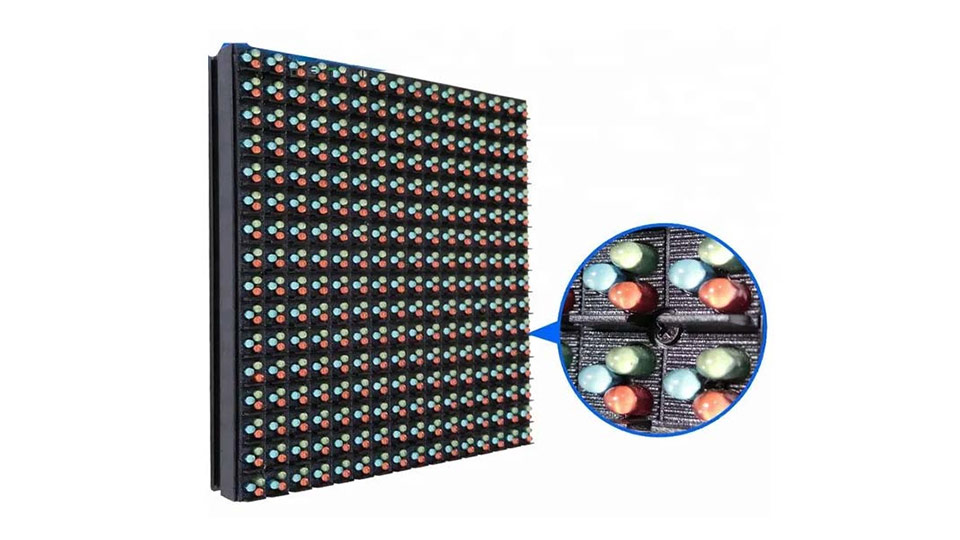
DIP LEDs are manufactured using through-hole packaging technology. Their main features include large size, high brightness (over 10,000 nits per square centimeter), high durability (over 100,000 hours of service life), and large pixel pitch (10–20 mm). DIP LEDs are best suited for traffic LED displays, monochrome LED displays, and other types of low-cost LED displays.
SMD LED
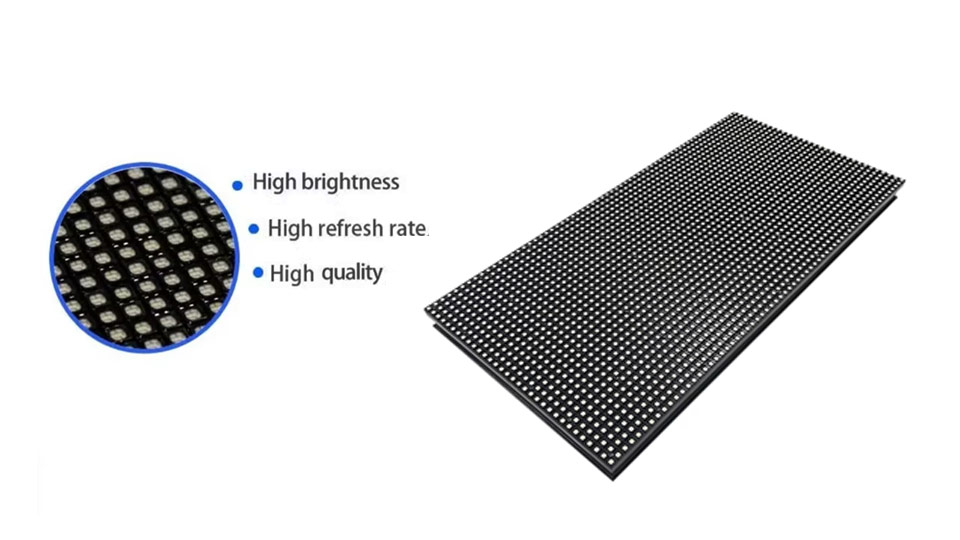
SMD LED are manufactured using surface-mount packaging technology. Their key features include mature manufacturing processes and the ability to achieve an extremely wide range of pixel pitches, covering various application scenarios from 1 mm to 200 mm. SMD LEDs are used not only in various types of commercial displays but also in countless applications within the lighting industry.
COB LED
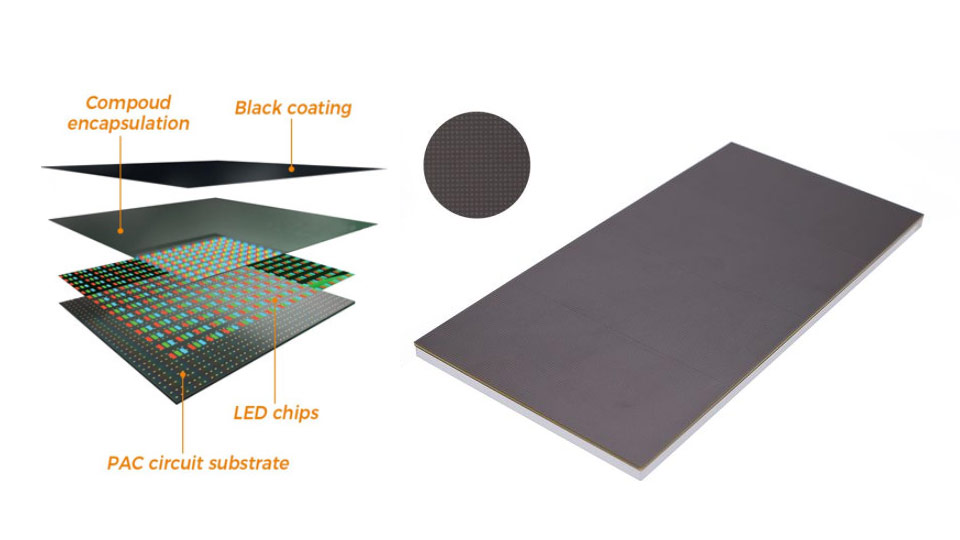
COB LEDs integrate the chip directly onto the PCB, eliminating multiple intermediate layers, which results in superior heat dissipation and energy efficiency. COB LEDs are primarily categorized into commercial displays and lighting fixtures; although both are called COB LEDs, they are completely different in terms of technology and functionality.
It is worth noting that COB LED used in lighting primarily employ integrated surface light source technology, whereas in commercial displays, COB LEDs primarily refer to the packaging technology; care must be taken to distinguish between the two.
Mini LED
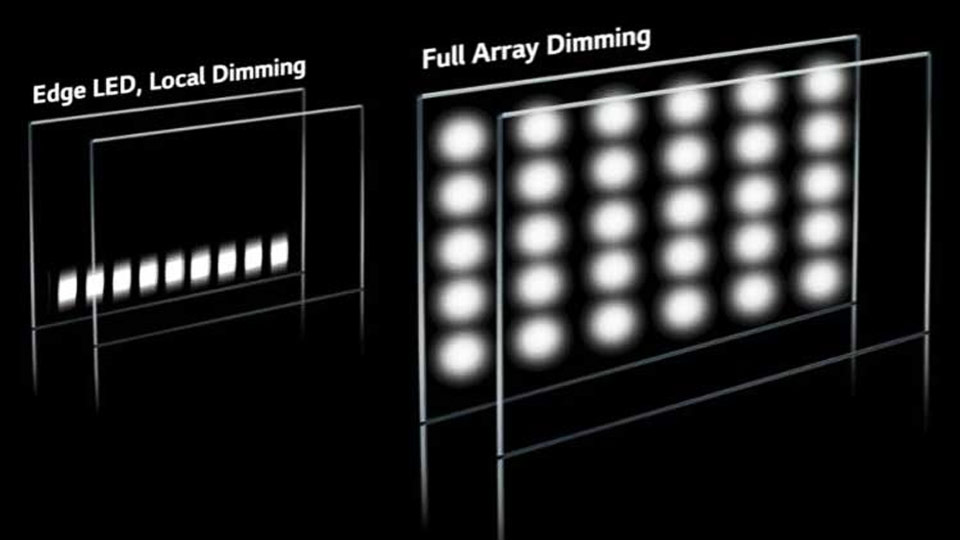
Mini LED primarily involves making LEDs smaller, with sizes ranging from 50 to 200 μm, and incorporates local dimming capabilities. Since Mini LEDs are mainly integrated into LCD panels, the added local dimming functionality is primarily designed to better control the LCD backlight.
Micro LED
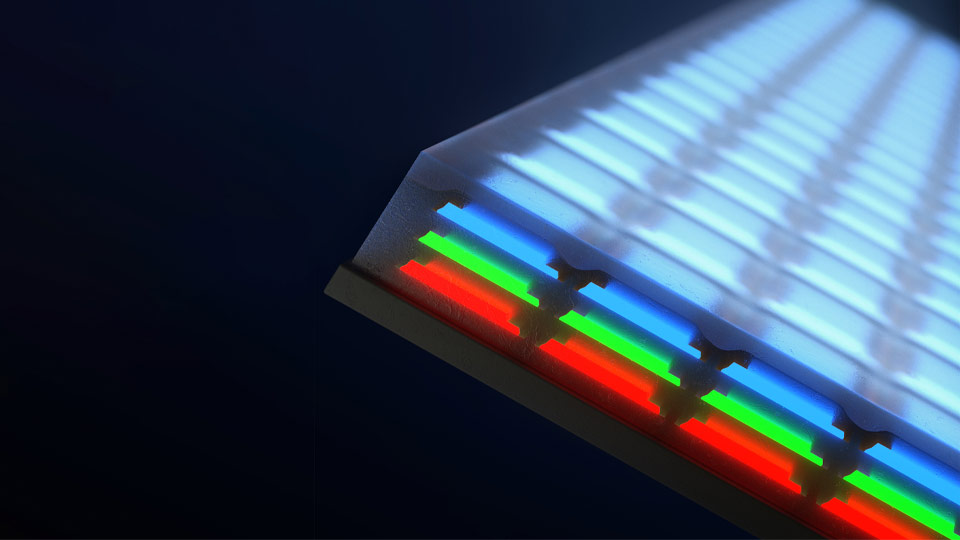
Micro LEDs are even smaller than Mini LEDs, with dimensions of less than 50 μm. Although they appear very similar to Mini LEDs—and many people assume they are simply a further miniaturization of Mini LEDs—Micro LEDs do not actually fall under the category of LCD displays. Instead, like OLED, they are a type of self-emissive display technology.
High-Power LEDs
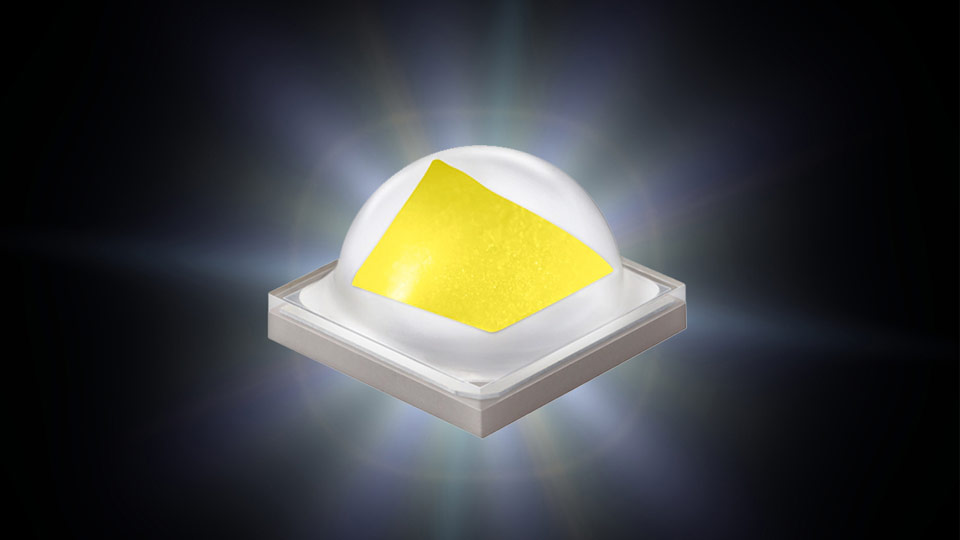
High-power LEDs primarily refer to LEDs capable of achieving higher brightness levels than traditional lighting fixtures. Additionally, the chips used are larger than those found in LED modules or LED strips. This ensures that brightness distribution remains uniform even at extremely high brightness levels.
It is important to note that high-power LEDs are not necessarily larger in size than low-power LEDs. LED brightness depends on the current that can be handled per unit area. Therefore, high-power LEDs are typically larger in volume rather than in physical dimensions.
Addressable LEDs
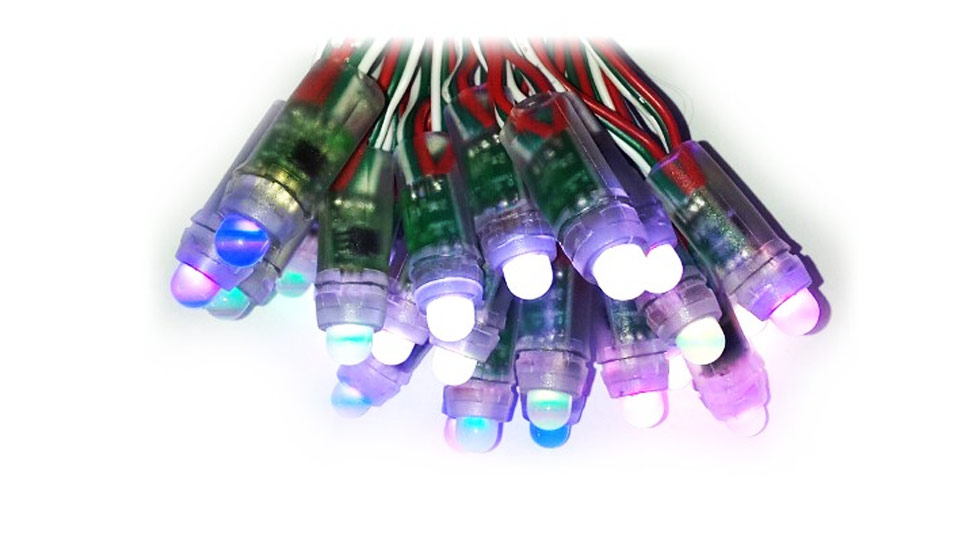
Addressable LEDs are discussed separately primarily because they differ significantly from other types of LEDs. Traditional LEDs can only be turned on or off in bulk and cannot be controlled individually. Addressable LEDs, however, are different. They feature a built-in IC that records the address of each LED individually and controls them, thereby enabling a variety of dynamic effects.
Core Advantages of LEDs
High Energy Efficiency
Traditional incandescent bulbs must be heated to extremely high temperatures (>2500°C) to emit light. This means a significant amount of energy is used for heating rather than illumination; over 90% of the energy is wasted during the lighting process. In contrast, LEDs require only a small amount of current to produce light and generate minimal heat, making them highly energy-efficient.
Extremely Long Lifespan
LEDs can last up to 100,000 hours, whereas other lighting devices typically have a lifespan of less than 50,000 hours. In particular, high-heat-generating electrical devices like incandescent bulbs often have a lifespan of less than two years. In comparison, LEDs can operate reliably for over a decade under normal use.
Low Heat Generation
As a member of the cold light source family, LEDs generate very little heat. Other cold light sources related to LEDs include OLEDs and Quantum Dot LEDs.
Environmentally Friendly
The components of LEDs are highly eco-friendly, containing no mercury or other heavy metals, making them suitable for repeated use. Additionally, LEDs are inherently highly efficient light-emitting devices with high energy utilization, making them well-suited for low-carbon emission standards.
Shock Resistance and Durability
The superior structure of LEDs gives them strong shock resistance. First, their leads are firmly embedded in the PCB; second, the fully sealed external packaging creates a vacuum environment inside. In this state, the device can effectively absorb pressure applied from the outside.
Easy to Control
Whether used in lighting systems, display systems, or backlight systems, LEDs are very easy to control. It is precisely because of this characteristic that various control methods have emerged across these different fields. For example, in lighting systems, LEDs can incorporate addressing capabilities; in backlight systems, zone-specific dimming is possible; and in display systems, content can be controlled via processors, computers, USB drives, and other methods.
Low-Voltage Safety
LEDs require very low voltages, typically 3.5V or 5V, posing virtually no safety hazards.
Differences Between LEDs and Traditional Light Sources
Earlier, we mentioned various traditional light sources, such as incandescent bulbs and energy-saving lamps. So, what are the differences between these traditional light sources and LEDs? We have summarized them in a table for easy reference.
LED vs Incandescent Bulb: Feature Comparison Table
| Parameter | LED | Incandescent Bulb |
| Full Name | Light Emitting Diode | Incandescent Lamp |
| Working Principle | Electroluminescence from semiconductor chips | Heating a tungsten filament until it glows |
| Luminous Efficacy | 80-200 lm/W | 10-17 lm/W |
| Power Consumption | Very Low | Very High |
| Lifespan | 50,000-100,000 Hours | 750-2,000 Hours |
| Heat Generation | Low | Very High |
| Energy Efficiency | Excellent | Poor |
| Startup Time | Instant On | Instant On |
| Dimming Capability | Available with compatible drivers | Excellent |
| Color Options | Wide Range (2700K-6500K+) | Warm White Only (≈2700K) |
| Durability | High | Fragile Filament |
| UV Emission | None | Minimal |
| Environmental Impact | No Mercury | No Mercury |
| Maintenance Cost | Low | High |
| Typical Applications | Homes, Offices, Displays, Street Lighting | Decorative and Residential Lighting |
LED vs CFL: Feature Comparison Table
| Parameter | LED | CFL |
| Full Name | Light Emitting Diode | Compact Fluorescent Lamp |
| Working Principle | Electroluminescence from semiconductor chips | Mercury vapor excites phosphor coating |
| Luminous Efficacy | 80-200 lm/W | 50-70 lm/W |
| Power Consumption | Very Low | Low |
| Lifespan | 5,0000-100,000 Hours | 6,000-15,000 Hours |
| Heat Generation | Low | Moderate |
| Energy Efficiency | Excellent | Good |
| Startup Time | Instant On | Requires Warm-Up |
| Dimming Capability | Available with compatible drivers | Limited |
| Color Options | Wide Range | Moderate Range |
| Durability | High | Glass Tube Vulnerable to Breakage |
| UV Emission | None | Small Amount |
| Environmental Impact | No Mercury | Contains Mercury |
| Maintenance Cost | Very Low | Moderate |
| Typical Applications | Residential, Commercial, Industrial Lighting | Residential and Commercial Lighting |
LED vs Fluorescent Lamp: Feature Comparison Table
| Parameter | LED | Fluorescent Lamp |
| Full Name | Light Emitting Diode | Fluorescent Lamp |
| Working Principle | Electroluminescence from semiconductor chips | Mercury vapor discharge excites phosphor coating |
| Luminous Efficacy | 80-200 lm/W | 60-100 lm/W |
| Power Consumption | Very Low | Low |
| Lifespan | 5,0000-100,000 Hours | 10,000-30,000 Hours |
| Heat Generation | Low | Moderate |
| Energy Efficiency | Excellent | Good |
| Startup Time | Instant On | May Require Starter and Warm-Up |
| Dimming Capability | Available with compatible drivers | Requires Special Ballast |
| Color Options | Wide Range | Wide Range |
| Durability | High | Glass Tube Vulnerable to Breakage |
| UV Emission | None | Small Amount |
| Environmental Impact | No Mercury | Contains Mercury |
| Maintenance Cost | Very Low | Moderate |
| Typical Applications | Homes, Offices, Retail, Industrial Facilities | Offices, Schools, Warehouses, Commercial Buildings |
Major Applications of LEDs
LED Lighting
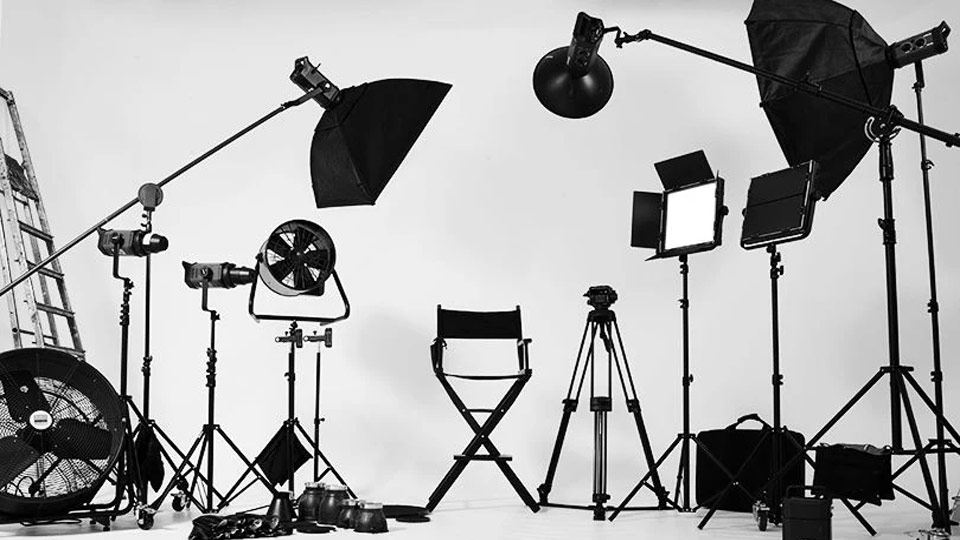
Due to the many outstanding characteristics of LEDs, nearly all the lighting products we are familiar with in our daily lives are now made with LEDs.
- Residential Lighting: LED bulbs, recessed lights, ceiling lights, table lamps, LED strips, wall sconces, etc.
- Commercial Lighting: Spotlights, track lights, panel lights, pendant lights, display case lights, light boxes, etc.
- Industrial Lighting: Industrial and mining lights, floodlights, spotlights, explosion-proof lights, warehouse lighting, etc.
- Streetlights
LED Displays

The LED modules used in modular LED displays are densely packed with LED chips. Depending on the packaging method, LED displays can be categorized into COB LED displays, SMD LED displays, and DIP LED displays.
Backlighting
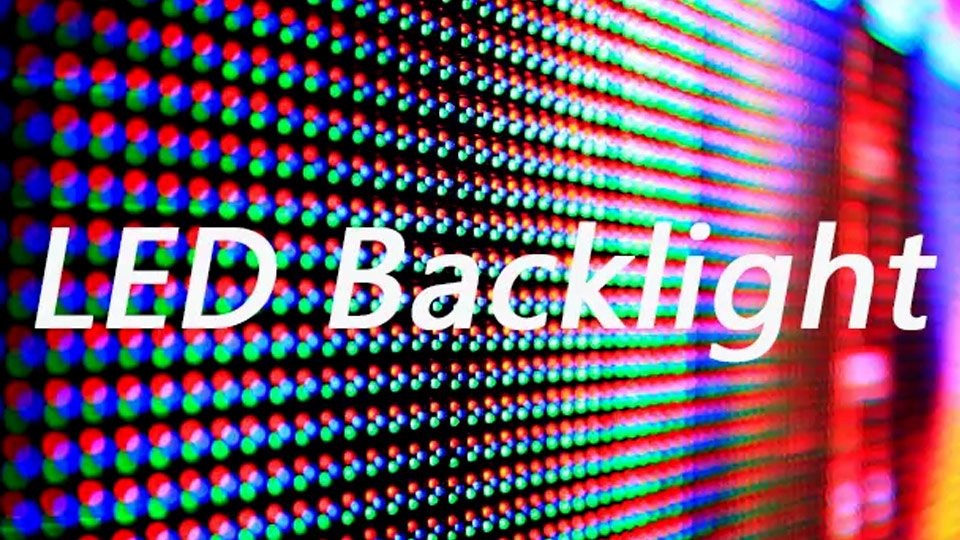
As mentioned earlier, LEDs can be made extremely small and integrated into various LCDs as backlighting. They are found in the computer screens, TV screens, smartphone screens, and watch screens we use every day.
Automotive Industry
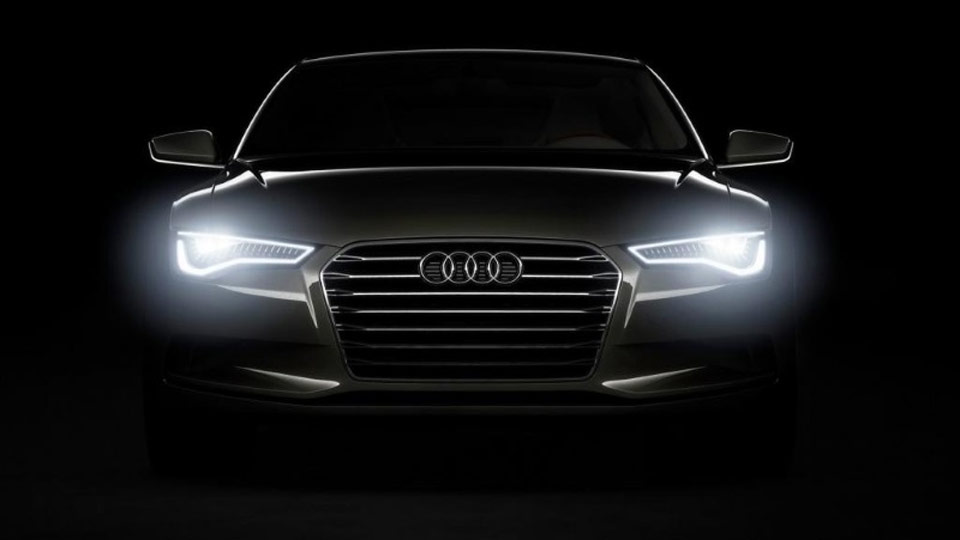
LEDs are indispensable in all automotive lighting systems, such as exterior headlights and fog lights, as well as interior ambient lighting and reading lights.
Medical and Industrial Applications
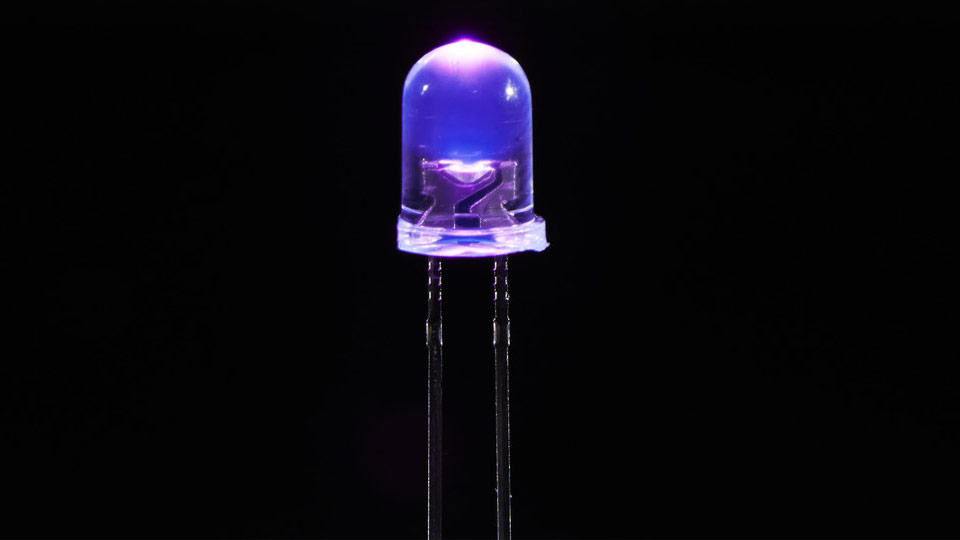
In the medical field, LEDs can also serve as sterilization devices. UV LEDs have now been developed; by emitting ultraviolet wavelengths between 254 and 280 nm, they can precisely eliminate bacteria and viruses.
Signal and Indicator Systems
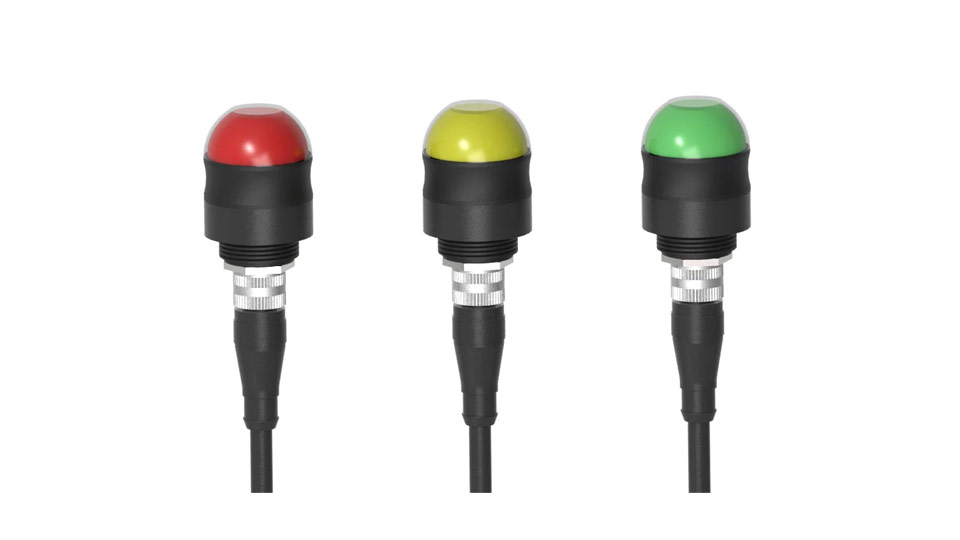
In addition to the major categories listed above, LEDs play a crucial role in some less obvious areas. For example, indicator lights on various electronic devices use LEDs of different colors to indicate the device’s operational status. Furthermore, the traffic lights we see when crossing the street are also an application of LEDs.
Common Misconceptions About LED Products
Is Higher Power Always Better?
Higher power means higher overall energy consumption. Moreover, high-power input causes the LED’s heat generation to increase dramatically. Therefore, higher power is not necessarily better; it is best to keep the LED within its rated current and voltage range.
Is higher brightness better?
Wrong. Higher brightness tends to shorten the LED’s lifespan. Furthermore, excessively high brightness can easily cause light pollution, which can impair drivers’ vision and lead to eye strain.
Are LEDs that emit white light the most energy-efficient?
Wrong. In fact, LEDs are most energy-efficient when emitting black light. Displays like OLEDs and Mini LED screens support the ability to turn off specific areas directly, and these areas consume almost no energy.
Do LEDs never fail?
Wrong. Although LEDs have a long lifespan, all materials must adhere to the law of conservation of energy. As long as we use them, they will continue to wear out until they fail.
Frequently Asked Questions about LEDs
Why do some LEDs fail much earlier than their rated lifespan?
We generally say that the lifespan of an LED is 50,000 to 100,000 hours, but why do some fail before reaching that mark? This is actually caused by a variety of factors. For example, the use of substandard materials, inadequate quality control, or harsh operating environments.
Can LEDs operate in extremely hot or cold environments?
Yes, LEDs operate within a temperature range of -20°C to 60°C, which is sufficient for most regions worldwide. For extreme environments exceeding this range, additional measures are required—such as installing fans or using thermal insulation materials—to keep the operating temperature within this range.
Do all LED lights require dimming?
Not necessarily. LED dimming is intended to adapt to the surrounding environment. For electronic devices with a fixed light output, such as indicator lights, dimming is not required. There are many types of LED dimming; some are specifically designed for lighting systems, such as leading-edge and trailing-edge dimming, while others are used in both lighting and display systems, such as PWM dimming.
Can an LED be repaired after it is damaged?
Yes, LEDs have a relatively simple structure, so they can be repaired if damaged. However, the repair process requires specialized tools and precise handling, which can still be challenging for most people.
Why do some LED products cost a lot while others are very cheap?
This issue is somewhat similar to the one regarding lifespan mentioned above; LED prices are also influenced by a variety of factors. For example, even for LEDs of the same 1.5mm x 1.5mm size, differences in thickness can result in significant price variations. Additionally, differences in packaging processes and internal component materials can lead to substantial price differences among LED products that appear identical.
What happens if an LED is connected with the wrong polarity?
Since LEDs are unidirectional electronic devices, connecting them in the wrong direction can result in only two outcomes: either the LED will fail to light up, or it will burn out immediately.
Summary
We have provided a detailed overview of all aspects of LEDs above, and we believe that after reading this, you now have a thorough understanding of them. LEDs have become an indispensable component of core technologies in modern lighting and display systems. Furthermore, as new applications continue to emerge across various fields, the use of LEDs will become increasingly widespread.