Glass LED screens deliver stunning, vivid visual effects. Their displays exude a high-tech and sophisticated aesthetic, effectively capturing the attention of numerous consumers and delivering a solid return on investment for your business and brand.
As a result, glass LED screens are highly favored by many shopping malls, retail stores, and businesses.
Currently, there is a wide variety of glass LED screens on the market, making it difficult to distinguish between them. The following section provides a detailed overview of the different types of glass LED screens to help you quickly understand the differences between them.
What Is a Glass LED Screen?
A glass LED screen refers to an LED screen that can be mounted on glass. It features a certain degree of transparency, so once installed, it does not obstruct the view from either side of the glass and can display highly attractive dynamic images.
Common types of these screens include: transparent LED screens, LED film screens, LED crystal film screens, LED holographic screens, mesh LED screens, and optoelectronic glass screens.
What types of glass LED screens are there?
Below, we’ll introduce the five types of LED screens mentioned above to help you understand what they are and gain a basic understanding of the different kinds of glass LED screens.
Transparent LED Displays
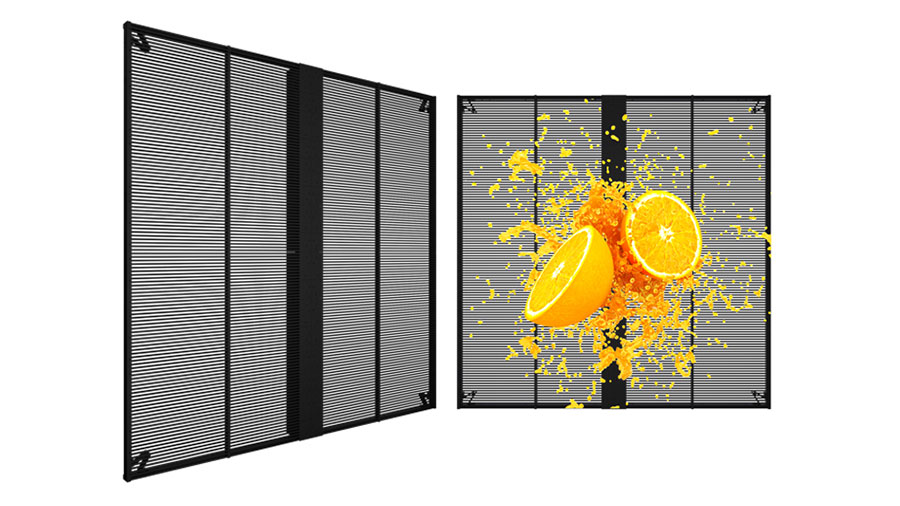
A transparent LED display is a type of screen in which LED strips are mounted directly onto the display cabinet.
All strips are evenly arranged across the cabinet, with a small gap left between adjacent strips vertically to maintain visual transparency. It can display images or videos without obstructing the passage of light or the line of sight.
LED Film Screens
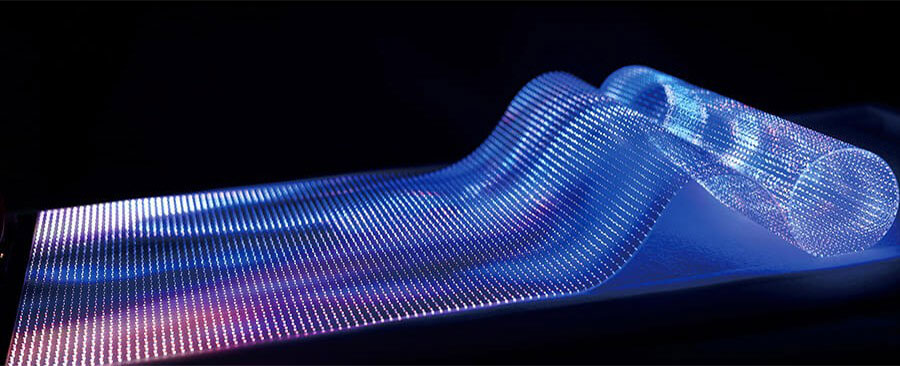
The transparent LED film screens utilize integrated LED driver technology to embed micro-LED chips directly onto high-transparency, ultra-thin PCB boards, which are then encapsulated using a potting process.
These screens are approximately 1–3 mm thick and typically feature an adhesive backing, allowing them to be directly affixed to glass or acrylic surfaces.
LED Crystal Film Screens
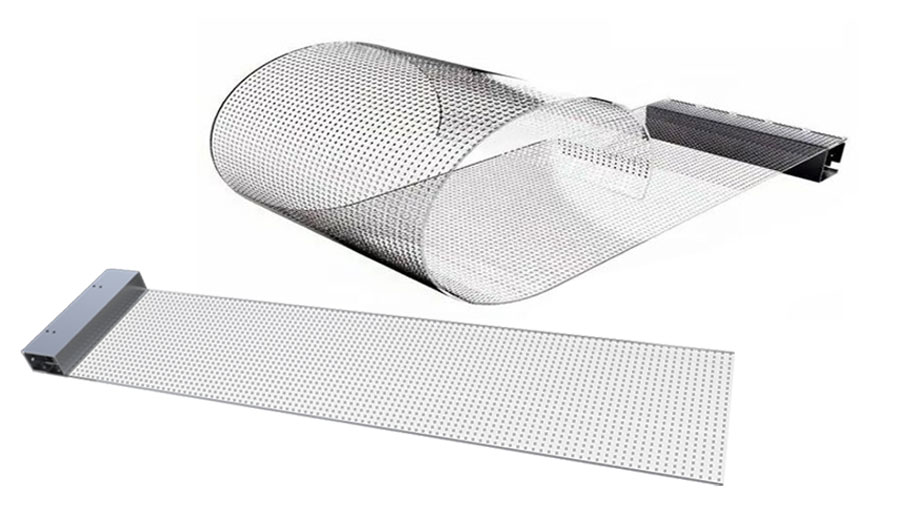
LED crystal film screens also employ integrated LED-driver technology, mounting micro-LEDs on a transparent substrate (typically made of polyimide (PI) or PET). When not illuminated, the internal circuitry of the screen is highly transparent and virtually invisible to the naked eye.
The flexibility of LED crystal film screens is typically determined by the specific project requirements; they are available in specifications that support flexible installation on curved glass surfaces, as well as rigid installation on mounting brackets.
LED Holographic Screens
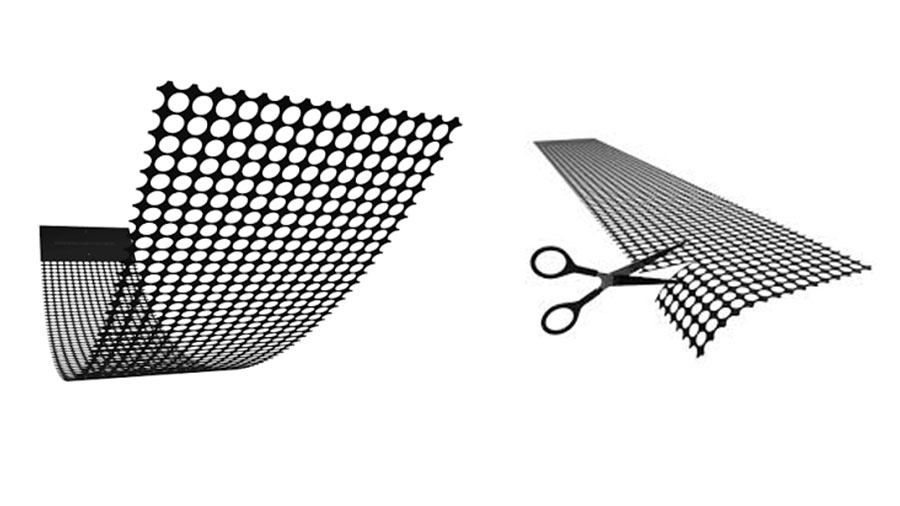
LED holographic screens are highly transparent LED displays composed of narrow LED strips or a grid-like arrangement of LEDs.
The term “holographic” refers to the fact that viewers can experience a 3D floating visual effect without wearing special glasses.
LED holographic screens utilize separate LED and driver technology, allowing the screen to function normally even after being cut to size.
Mesh LED Screens
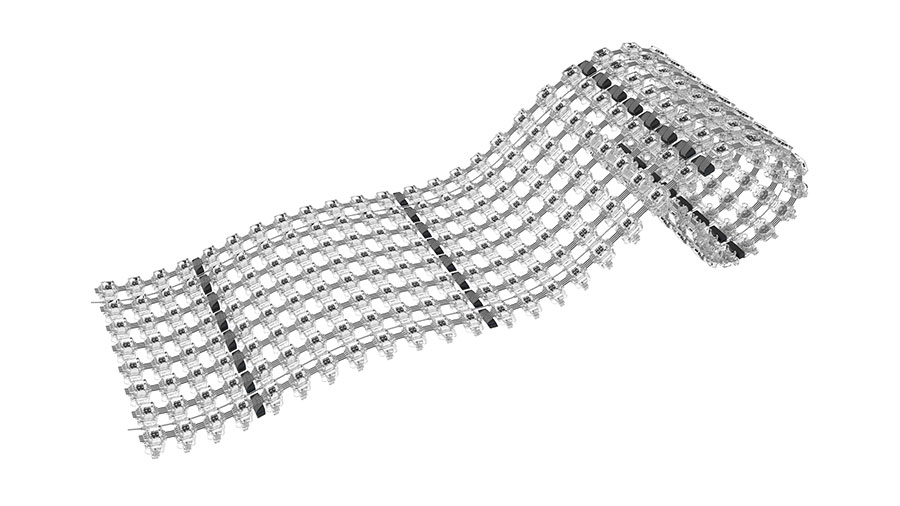
Mesh LED screens primarily consist of a grid-like LED matrix. They feature a hollow structure, offering good flexibility and high transparency.
Among all glass LED screens, mesh screens have the largest LED display pixel pitch—easily exceeding P50—enabling high-quality display effects on building facades at a lower cost.
Additionally, the larger pixel pitch of mesh screens provides excellent airflow, making them particularly suitable for locations frequently exposed to wind.
Transparent LED Glass Screen
The transparent LED glass screen integrates traditional glass with LED chips. Using embedded IC core technology, micro-LED chips are sandwiched between two glass panels, enabling the glass to display content.
Currently, the two common types of transparent LED glass screens on the market are laminated transparent LED glass screens and insulated transparent LED glass screens.
Comparison of Different Types of Glass LED Screens
Since the main differences between LED film screens, LED crystal film screens, and LED holographic screens lie in their manufacturing processes—with their characteristics being largely similar—we will focus solely on the most representative LED crystal film screen for the comparison below.
The following is a detailed comparison of LED crystal film screens, transparent LED screens, and mesh LED screens:
Transparency
- LED crystal film screens are made using transparent PCBs and micro-LEDs, and the overall circuitry is not visible, resulting in a transparency of up to 95%—the highest among the three types of glass LED screens.
- Transparent LED screens consist of LED strips mounted on LED screen cabinets, which are then assembled onto a truss for display. The transparency of a transparent LED screen is primarily affected by the distance between adjacent LED strips above and below. Under certain conditions, the visibility of the truss structure may also impact the screen’s transparency; therefore, the transparency of a transparent LED screen ranges from 60% to 85%.
- The transparency of a mesh LED screen ranges from 40% to 90%; its hollow structure means that its transparency is directly related to the pixel pitch. The pixel pitch determines the size of the screen’s hollow area and the degree to which it obscures objects behind the screen, thereby affecting the level of transparency.
Brightness
- LED crystal film screens are commonly used indoors, where they are less affected by external natural factors. Direct sunlight typically does not hit the screen, so they only need to adapt to changes in indoor brightness; brightness generally ranges from 600 to 2,500 cd/m².
- Transparent LED screens are used both indoors and outdoors. Indoor transparent LED screens have a brightness of 800–1,200 cd/m², while outdoor screens can reach 4,000–8,000 cd/m² to adapt to stronger ambient light. In addition, outdoor transparent LED screens can be equipped with light sensors, allowing the screen brightness to adjust according to changes in ambient light. For example, when it is dark at night, the transparent screen will automatically reduce its brightness.
- Mesh LED screens have a pixel pitch that is too large for smaller indoor spaces, resulting in poor image quality; therefore, they are generally not used indoors but are primarily used in outdoor environments. To better adapt to various outdoor lighting conditions, the brightness of mesh LED screens typically ranges from 5,000 to 10,000+ cd/m².
Weight
- The lightweight design of LED crystal film screens eliminates the need for complex frame structures. Additionally, the substrate made of special polymers effectively reduces the screen’s weight, resulting in a weight of only 1.3–4 kg/square meter.
- The weight of transparent LED screens varies depending on the application scenario. Indoor transparent LED displays weigh between 7–12 kg/m², while outdoor transparent LED displays, which often feature higher protection ratings and more robust, durable materials, can weigh as much as 12–20 kg/m².
- The hollow structure of mesh LED screens eliminates the weight of the substrate, and the mesh matrix between the LEDs also eliminates the weight of LED cabinets. The weight of mesh LED screens ranges from 2.3 to 9.4 kg/square meter. Differences in pixel pitch result in variations in the number of LEDs per square meter, which in turn affects the screen’s weight.
Note: The weights of the three types of glass LED screens mentioned above refer solely to the weight of the screen itself; the weights of other components, such as support frames and control systems, are not included.
Usage Methods
- Installation methods vary depending on the flexibility of the LED film screen. For highly flexible LED film screens, a support frame must be erected before use; alternatively, they can be laid flat on the ground or a tabletop. If the screen is stiffer, it can be stood upright or suspended using brackets. (For adhesive-backed film screens, simply apply them directly to glass or other surfaces.)
- Whether for indoor or outdoor use, transparent LED screens require the construction of a truss structure first, followed by the installation of LED cabinets to enable operation. Trusses are typically made of iron or steel, though they can also be custom-made from other materials such as stainless steel or aluminum based on the project’s specific requirements.
- Mesh LED screens can be suspended or mounted on a truss, typically a lightweight truss. To use a mesh LED screen, simply secure the built-in latches or wires on its structure to the lightweight truss.
LED Crystal Film Screens vs. Transparent LED Screens vs. Mesh LED Screens: Comparison Chart
The above content outlines the main differences between these three types of glass LED screens. The table below provides a more intuitive overview of their distinctions.
| Difference | LED Crystal Film Screen | Transparent LED Screen | Mesh LED Screen |
| Transparency | Up to 95% | 60%-85% | 40%-90% |
| Brightness | 600–2,500 cd/m² | Indoor: 800–1,200 cd/m² Outdoor: 4,000–8,000 cd/m² | 5,000–10,000+ cd/m² |
| Weight | 1.3–4 kg/㎡ | Indoor: 7–12 kg/㎡ Outdoor: 12–20 kg/㎡ | 2.3-9.4kg/kg/㎡ |
| Installation Methods | Used with a frame, laid flat, mounted vertically, suspended, or affixed | Used with truss | Used with lightweight truss or suspended |
| Thickness | 1-3mm | 10-80mm | 10-25mm |
In Which Scenarios Are Glass LED Displays Used?

Buildings
Installing glass LED displays on the rooftops or exterior facades of buildings as building LED screens for advertising can effectively boost brand awareness and generate a positive return on investment.
When displayed on the exterior of a building, glass screens enhance the building’s high-tech and modern aesthetic without obstructing the view of people inside.
Storefronts
When used to display advertisements in storefront windows, glass LED screens also effectively showcase the store’s interior layout and product displays. This allows customers to gain a basic understanding of the products inside while being drawn to the screen, helping to increase foot traffic.
For example, the Golden Horseshoe Casino in London uses glass LED screens in its storefront windows, creating a highly creative display effect that has doubled the casino’s foot traffic compared to before.
Transparent Conference Rooms
When used in transparent conference rooms, glass LED screens allow ample natural light to maintain brightness while adding a splash of color to a serious, monotonous work atmosphere, creating a unique meeting experience.
Glass LED screens can also function as meeting display screens, projecting work-related content onto the conference room glass for a superior viewing experience.
Shopping Mall Sliding Doors
Glass LED screens transform sliding doors into vibrant digital advertising displays. They can be used to promote events or change the displayed content based on the time of day or holidays, making the entrance more dynamic and attracting more customers.
Conclusion
LED crystal film screens are lighter, thinner, and more convenient, but their use is largely limited to indoor settings; transparent LED screens have the widest range of applications and superior performance, making them the best value for money; mesh LED screens feature a more optimized structure and often have a higher protection rating, making them ideal for outdoor settings.
If you’d like to learn more about transparent LED screens—the best value for money—please feel free to contact JYLED’s online customer service. We’ll provide you with expert knowledge on transparent LED screens.
FAQs
Which of the five types of glass LED screens mentioned above is the most expensive?
When specifications such as size are nearly identical, holographic LED screens are the most expensive. Holographic LED screens utilize more advanced holographic display technology, employ higher-efficiency LED chips, and involve a more complex overall manufacturing process, resulting in higher production costs.
Additionally, there are currently few manufacturers producing holographic LED screens on the market, leading to low competitive pressure. These combined factors result in a higher overall purchase price for holographic LED screens.
Which type of glass LED screen is most commonly used in large shopping malls?
In large shopping malls, transparent LED screens are the most widely used. This is because transparent LED screens deliver superior display quality, feature more mature manufacturing processes, are more affordable, and offer higher quality—providing excellent value for money—which is why they are so widely adopted.
If you’re interested in purchasing a transparent LED screen for your project, please feel free to contact us at JYLED. We’ll provide you with the most professional service and the highest-quality customized solutions.
Which type of glass LED screen offers the best display quality?
Holographic LED screens offer the best display quality. They can achieve a naked-eye 3D effect, presenting viewers with the visual impression that the displayed content is floating in mid-air, resulting in an overall display quality superior to other glass LED screens.
What does the future hold for glass LED screens?
In the future, glass LED screens will evolve and improve in terms of display technology, moving toward smart sensing capabilities. They may also advance toward more advanced AI-driven displays, such as automatically recommending relevant products or ads of interest based on customer preferences.
Besides the types of glass LED screens mentioned above, what other options are available?
Currently, other glass LED screens on the market include transparent LED poster screens and LED grille screens. Both of these types can be mounted on glass and deliver excellent display results.