



Many people have this question: Will LED displays become obsolete in the future? The answer is no. LED displays will not become obsolete in the future due to their inherent strengths. Next, I will carefully explain the reasons why LED displays will not become obsolete in the future from two aspects: irreplaceability and the integration of new technologies.

The irreplaceability of LED displays
First, outdoor LED displays can achieve a maximum brightness of 10,000 nits, maintaining excellent display quality even under direct sunlight and operating normally in various harsh weather conditions—something other display devices struggle to achieve.
Second, other display devices struggle to produce large-sized screens, while LED displays offer scalability and flexibility, allowing them to be assembled into various shapes and configurations to meet specific needs. Large-sized LED displays in outdoor settings can attract more foot traffic and enhance communication effectiveness.
Finally, LED displays play an irreplaceable role in various fields, such as sports events, concerts, digital signage, and billboards, thanks to their outstanding performance, exceptional dynamic display effects, and wide range of applications. Therefore, LED displays have become a unique tool for outdoor advertising, video playback, and information display, with irreplaceable characteristics.
Integration with New Technologies
In recent years, LED displays have been integrated with various new technologies to create stunning visual effects that other display devices cannot achieve. I will now elaborate on three aspects: 3D effects, virtual filming, and motion interaction.
3D Effects

3D effects are created by exploiting the differences in human visual perception. LED displays utilize specialized L-shaped cabinets in conjunction with 3D content to produce a realistic three-dimensional visual experience. 3D LED displays make images more and vivid, not only delivering lifelike visual effects but also creating memorable 3D visual experiences.
Additionally, as urban development continues to advance, 3D LED displays can serve as iconic landmarks. Their innovative and unique 3D display effects attract audiences to visit and check in, thereby boosting the city’s GDP.
The LED display industry has seized this opportunity by integrating with 3D technology, and its exquisite visual effects have been recognized and sought after by the market, enabling LED displays to secure a competitive edge in the fiercely competitive market environment.
Virtual Production
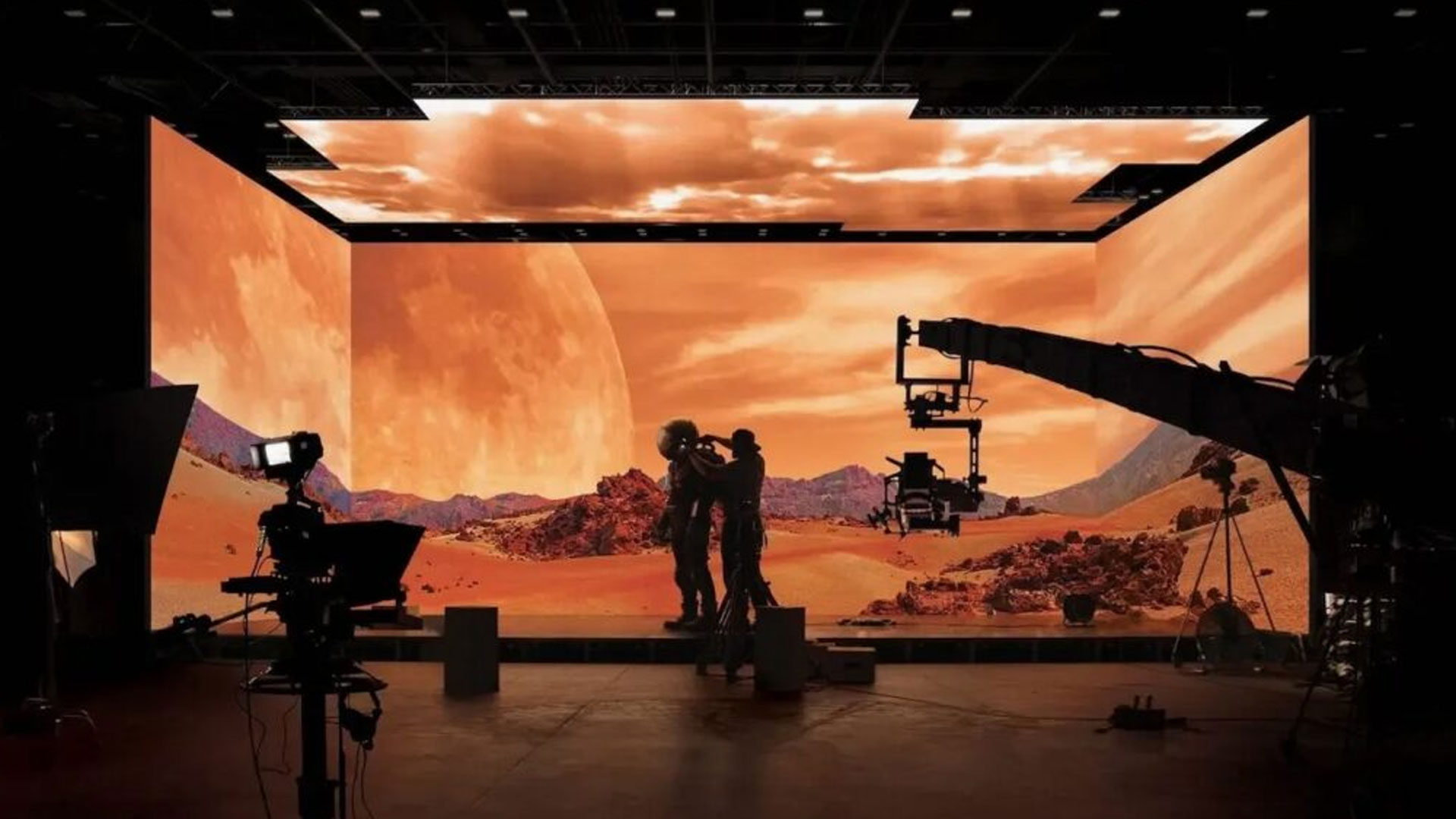
Virtual production involves using LED displays as backgrounds or scenes, capturing immersive and lifelike virtual environments through camera filming. LED display virtual production is commonly used in film and television production, enabling the creation of various complex virtual scenes with ease, providing convenience for directors and producers.
Virtual production LED display walls not only allow actors to perform in an immersive environment but also deliver exceptional visual effects during filming, reducing post-production costs. Virtual production LED display walls are widely applied in studios, broadcast studios, film production, and XR stages. Virtual production LED displays represent a major breakthrough in the film and television production industry.
With the continuous development of LED technology and the reduction in costs, they hold immense potential for the future.
Gesture Interaction
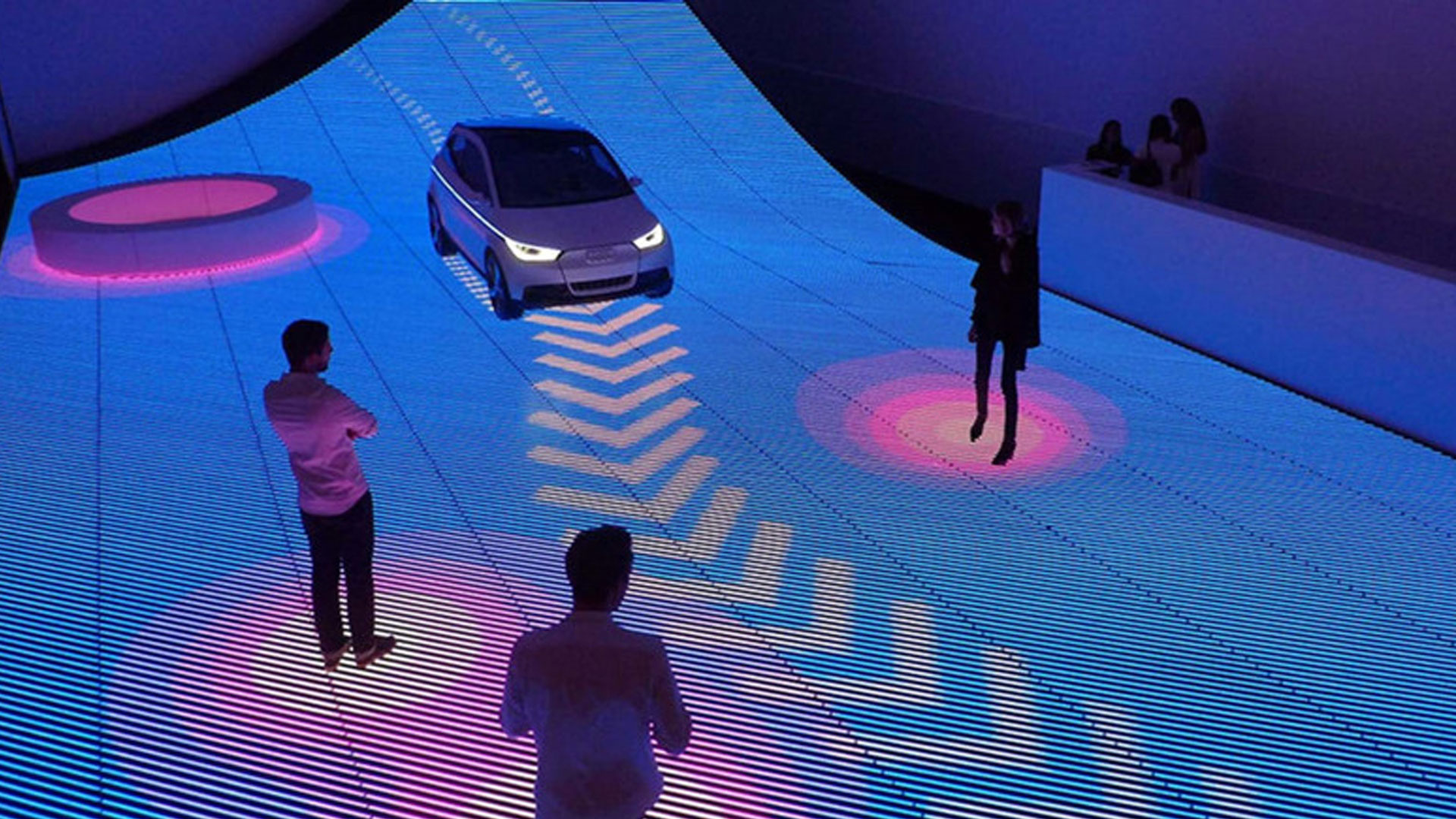
Gesture interaction technology is a technique that recognizes human movements and gestures, cleverly combined with LED display technology. This type of LED display screen enables interaction through body movements or gestures, offering a new interactive experience. Gesture-based interactive LED displays can produce interesting effects, such as page-turning effects, human shadow interaction, floor screen interaction, and interactive games.
Additionally, interactive LED displays support multi-user interaction, such as multi-user meetings, multi-user games, and classroom lectures, enhancing engagement and fun. With their excellent interactive experience, interactive LED displays offer more attractive presentation methods for various venues, and their market potential should not be underestimated.
Conclusion
In summary, LED displays, when combined with more advanced technologies, are no longer merely display tools but are evolving toward high performance and intelligence. As LED technology continues to mature and costs continue to decline, it can increasingly replace high-definition televisions and other display devices, playing a significant role in the future with vast market potential.

