



The use of LED in life is very wide, whether it is home furnishings or office supplies, or public occasions, we can always deal with LED, which will inevitably come into contact with the LED lighting system.
Every aspect of life uses LED, then, how to go to design a suitable LED lighting system? Let’s find out together based on this article.
The basics of LED lighting system
LED that is light-emitting diode, it is connected with the power supply, so that the current into the semiconductor, electrons in the semiconductor compound leap to produce photons, so as to achieve the purpose of light-emitting.
And the LED lighting system is an electro-optical conversion system, which contains multiple parts such as power supply, current conversion, sensing and control, driver, thermal management, LED and its mixing, scattering and optical extraction.
Under normal circumstances, the luminous efficiency of LED lighting system is about 90% higher than that of incandescent lighting system, and the service life of LED lamps is more than 5 times than that of ordinary incandescent lamps, therefore, LED lighting system is widely concerned and used.
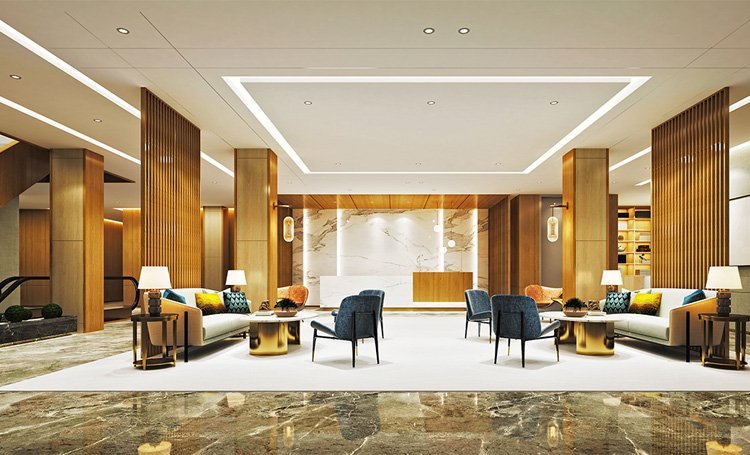
Design Steps for LED Lighting System
To design an ideal LED lighting system, you roughly need to follow the following steps:
Determine the needs
The first one is of course to determine our use of demand: we design LED lighting system is to be used in what scene? It needs to play what lighting role? For example, indoor and outdoor LED lights, its brightness needs are different.
Clearly our lighting needs, in order to the next design of the LED lighting system, correctly grasp the characteristics of the relevant components.
Estimating the efficiency of optical, thermal and electrical systems
The number of LEDs directly affects the light output, power consumption and cost, if directly through the product introduction to query the luminous flux of LEDs, obviously will ignore part of the LED light-emitting process of energy loss, incorrect calculation of luminous flux may lead to the subsequent LED lighting system can not meet the lighting needs.
To calculate the correct luminous flux, we need to calculate the energy loss of the optical system, thermal system and electrical system in advance.
Optical system efficiency
There are two main types of light source loss, one is the loss of light source caused by secondary optics, such as lenses or diffusers that are not part of the LED itself, which will cause a 10% to 15% loss of light source, and depending on the performance of the secondary optics, the loss of light energy is also different.
The second kind of light source loss is the light loss inside the lamps and lanterns, when the light source spreads out, through the lampshade will produce light loss, some light is absorbed by the lampshade, some light is reflected back to the lamps and lanterns, and the degree of these light losses is based on the use of lamps and lanterns in the shape of the material to decide.
Thermal system efficiency
LED thermal energy loss is generally two cases, one is in the power supply through the semiconductor into photons in the process, will produce heat energy, this part of the thermal energy accounted for about 10% loss, the other is the LED lamp of various components, connectors through the current will also produce a small amount of heat source, resulting in thermal energy loss.
Electrical efficiency
LED’s normal light-emitting need to drive the processor will be converted into current suitable for LED current, in this conversion process, the electrical will cause part of the loss. General LED in this process the utilization of the electrical system is about 80% ~ 90%.
Calculating the number of LEDs
Number of LEDs = actual required luminous flux / luminous flux per LED
Actual required luminous flux = target luminous flux / (optical efficiency × thermal efficiency × electrical efficiency)
Design of LED lighting system program
According to the above calculation of the required data, we can start the design of the LED lighting system, usually according to the needs and preferences to complete a number of designs, and finally all the design options together, and then choose the best design.
Program Simulation Test
After selecting the best LED lighting system program, we can begin to prepare the circuit board layout, prototype construction, and then test the prototype equipment to see if it can achieve the desired goals.
If it is not possible to achieve the desired goals, it is necessary to write observation reports and improve the process until the program fully meets the desired goals, and then finalize the program to implement it on the ground.
Advantages of LED lighting systems
Texture of Light
LED lights can be bright or soft and warm, depending on different choices for different environments. Compared to the roughness of ordinary lights, LEDs have a better light texture and will be kinder to the eyes.
High Precision
We can freely adjust the LED light beads according to our needs, so that the light focuses on the place you want.
Less energy consumption
Nowadays, the street lamps on the roadside are basically LED lamps, this is because LED lamps are extremely energy-saving, the energy consumption of using LED lamps is only a small part of the traditional lamps, the use of LED lamps for street lamps is in line with the concept of environmental protection and energy saving.
Adaptable to the environment
Even in bad weather, strong rainfall, strong snowfall, direct sunlight, etc., LED lighting system can operate normally, because LED has waterproof, UV protection and high brightness characteristics.
Outstanding Color
LEDs contain beads of three RGB colors, which makes it possible to make an extremely wide variety of colors through the combination of colors.
Environmentally Friendly
Unlike ordinary CFL lamps, which have mercury added to their design, LED lamps are made of environmentally friendly materials that do not pollute the environment, in addition to their energy-saving properties.
Application of LED Lighting System
LED lighting systems and related equipment are very flexible, whether as a general lighting function of the lamps and lanterns, all kinds of lighting furniture lamps, outdoor lights; or as a display screen, used for billboards, conference displays, stage performances, etc., it is able to complete the corresponding function of the operation.
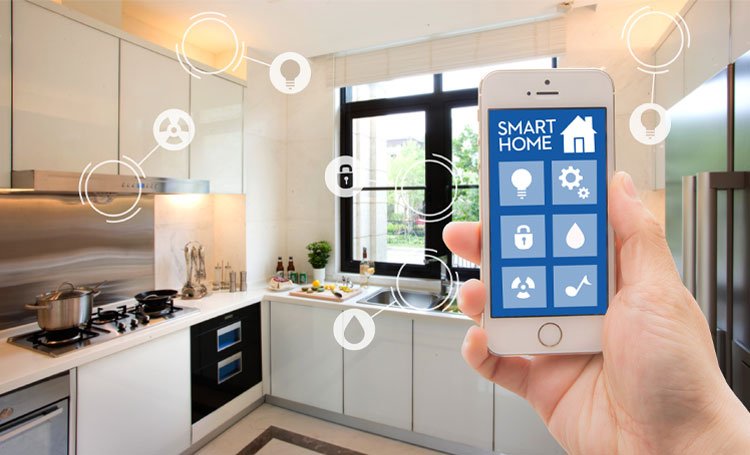
And with the arrival of the intelligent era, by combining the intelligent system and LED lighting system, it allows you to remotely and freely manipulate the LED lighting system, turn on or off the system, adjust the LED brightness, or turn it on at regular intervals according to the demand, there are infinite possibilities for the LED lighting system, which is totally dependent on your imagination.
The choices associated with LED lighting systems
Due to the wide range of specifications and types of LEDs, you will certainly encounter difficulties in making a choice, which requires proper planning in advance in order to make a rational choice.
Usually we need to choose LED lighting system from the following aspects to consider:
Raw materials: good raw materials produced by the electronic equipment performance will be better, there is no doubt, if the raw materials are too poor, even if you design the world’s most perfect LED lighting system, but also can not make it really play out the desired effect.
Cost: Of course, making any choice needs to be within our financial affordability, exceeding the budget will make our life bear big trouble.
Installation: Correct and reasonable installation will help the light of the LED lights to play a better effect, but also help to extend the life of the LED.
Network: The combination of LED lighting system and network can make it more intelligent and convenient, freeing your hands.
Apps: Better apps will contain more functions and can create more LED lighting modes.
Conclusion
Today, LEDs are the main choice for people, thanks to their many advantages and features, and finding the right LED lighting system can help us to better utilize LEDs and use them more efficiently.
The right LED lighting system can also increase the efficiency of your LED use and improve visual aesthetics.

