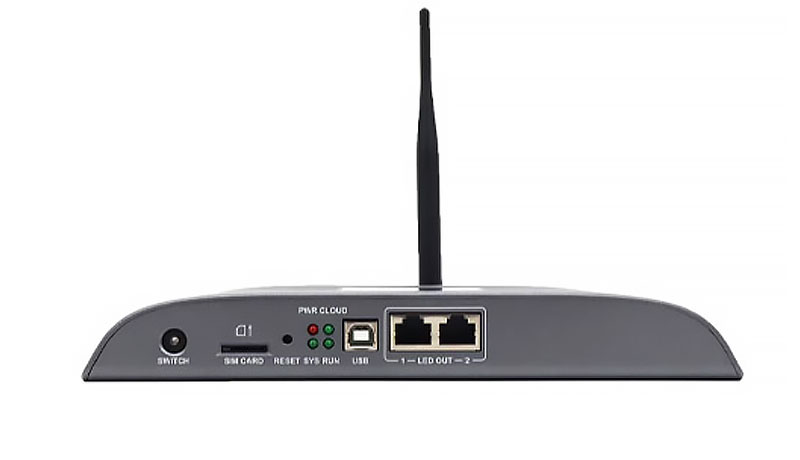
If you wish to place advertisements, are you still undecided between opting for OOH or DOOH solutions such as LED displays? Fear not, this article will detail the key differences between DOOH and OOH to help you select the most suitable advertising approach.
What is OOH?
OOH represents a traditional static format, frequently positioned in high footfall urban locations to enhance brand awareness and visibility. It encompasses various media, including billboards and posters.
What is DOOH?
DOOH represents an innovative approach to advertising delivery utilising LED displays.
It enables real-time dynamic content playback on digital screens, tailored to factors like time and audience preferences, thereby enhancing content flexibility and creativity.
DOOH vs OOH: Key Differences

Media and Distribution
To maximise brand exposure, many companies print OOH on moving vehicles. For instance, food delivery firms display ads on delivery vehicles to capture greater attention.
DOOH employs LED screens atop taxis to broadcast real time content. As taxis traverse high footfall areas, they reach a wider audience.
Cost
OOH involves relatively straightforward production, simply printing content onto paper for display, resulting in lower costs.
Conversely, DOOH requires more complex manufacturing. Utilising LED displays necessitates numerous components working in tandem. Moreover, larger screens demand more components, thereby increasing overall expenditure.
Interactivity and Engagement
Robust interactivity and engagement play a vital role in advertising. OOH delivers information unidirectionally to audiences, lacking real time interaction and audience participation.
DOOH excels in interactivity and engagement. Features such as touchscreens, selfie capabilities, QR codes, and interactive mini games enable real time audience interaction with advertisements, significantly enhancing engagement.
Should you wish to heighten audience interaction with your advertisements and foster greater interest in your campaigns, prioritising DOOH is advisable.
Content Flexibility
OOH faces inherent limitations in content flexibility. It necessitates processes such as printing, placement, and distribution.
Moreover, once content is printed onto posters, it becomes immutable; subsequent modifications incur substantial additional costs and time.
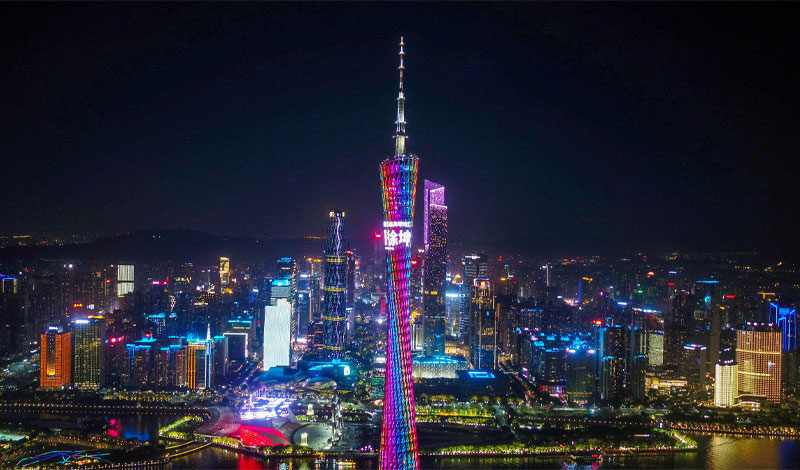
DOOH offers considerable flexibility. By integrating computers with LED displays and utilising remote control functionality, you can modify content multiple times based on factors like time and weather. It also allows for the display of several different advertisements within a single day.
Target Audience Reach
OOH primarily targets audiences through broad geographical coverage, which means certain demographic segments may not be reached.
DOOH, however, incorporates data analytics. It can generate ad content tailored to weather, time, and contextual factors, precisely targeting specific audiences to enhance campaign impact. For a broader reach, DOOH should be prioritised.
Message
OOH employs straightforward messaging without complex language, delivering a strong visual impact. This enables viewers to quickly comprehend the content and retain a lasting impression.
For straightforward promotional campaigns or sales drives, OOH remains the more suitable choice.
Compared to OOH, DOOH offers greater creative flexibility. It can display varied content across different scenarios, utilising multimedia such as images, videos, and animations to capture audience attention.
Purchasing Convenience
OOH holds an advantage in purchasing convenience. It requires only printing the content onto paper and distributing it to the public, making the process relatively straightforward.
DOOH necessitates first purchasing LED displays, then arranging for technicians to install and calibrate them, before finally deploying the advertisements for public viewing.
Common Types of OOH and DOOH
OOH Types
Public Transport Advertising

While waiting at bus stops, one observes traditional outdoor advertisements affixed to bus exteriors promoting brands or products. This enhances advertising reach and facilitates targeting interested audiences.
Street Facility Advertising
Within bus shelter waiting areas, walls frequently display outdoor advertisements for commercial promotion. This sustained visibility within our field of attention enhances brand exposure.
Shopping Centre Advertising
Each restaurant within a shopping centre employs posters at its entrance to promote signature dishes and promotional offers. This strategy increases footfall, attracting more patrons to their business.
DOOH Types
Landmark Advertising
New York’s Times Square landmark—the colossal LED video wall known as the Nasdaq MarketSite occupies a high footfall location.
It frequently displays real time information such as stock market fluctuations while capturing attention through diverse advertising formats.
Airport Digital Advertising
Airports, visited daily by diverse travellers, routinely utilise digital advertising for tourism promotion.
This approach increases the likelihood of converting viewers into paying customers, boosting visitor numbers and economic expenditure at tourist destinations.
Interactive Kiosks
Now ubiquitous, interactive kiosks facilitate information retrieval and online payments, delivering considerable convenience.
Should you wish to leverage DOOH to offer enhanced choices and services to the public, we can provide further solutions to benefit everyone in daily life.
Augmented Reality (AR) and 3D Billboards
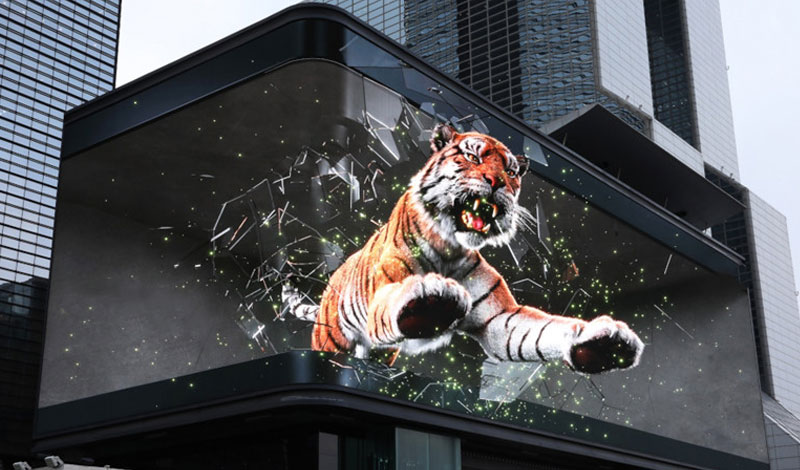
3D billboards frequently feature on shopping centre screens, displaying vivid, lifelike advertisements where characters or products appear poised to leap off the screen and interact with viewers, creating an immersive sensation.
Should you seek more realistic and intricate advertising effects, consult us to customise 3D billboards for your campaigns. This enhances the realism of your advertisements, delivering an immersive experience to audiences.
OOH vs DOOH: Which is More Suitable for Advertising?
- Functionality: DOOH enables more complex features such as animations and videos, whereas OOH is limited to displaying simple text and images. Therefore, if you require a multifunctional display for advertising, DOOH should be prioritised; for simpler advertising formats, OOH is the preferred choice.
- Cost: As outlined above, DOOH offers greater functionality but incurs higher costs, whereas OOH, though less feature rich, is more economical. Your choice should be based on your budgetary constraints.
- Convenience: Comparing DOOH and OOH, the OOH process is comparatively less cumbersome, making it more convenient. If you require a simpler advertising deployment method, OOH is the more suitable option.
- Environmental Impact: DOOH enables repeated content updates without environmental pollution, whereas OOH requires substantial paper and ink for advertising materials, causing some ecological impact. For environmentally conscious campaigns, prioritise DOOH for advertising.

Frequently Asked Questions
Is outdoor advertising still relevant today?
Outdoor advertising remains pertinent in contemporary life. Typically appearing as posters within our visual field, it effectively guides consumers towards learning more about brands.
This method proves economical and efficient, particularly suitable when presenting static content.
Is DOOH more cost-effective than OOH?
Yes. DOOH provides real time performance data, enabling marketers to optimise strategies based on metrics such as exposure rates and audience dwell time. OOH relies solely on footfall counts to estimate exposure levels.
How does consumer behaviour influence the effectiveness of outdoor and DOOH?
Outdoor advertising enhances brand recall and visibility through repeated exposure in daily life. DOOH adapts content based on the consumer’s environment, increasing the relevance of campaigns to their behaviour.
You may select different advertising methods according to varying circumstances.
What factors should be considered when transitioning from OOH to DOOH?
The shift from OOH to DOOH requires consideration of costs, hardware, location, and target audience. Should you require clarification on specific planning aspects, please leave your details to discuss further.
JYLED—Your Trusted Outdoor LED Advertising Display Manufacturer
With 8 years of expertise in outdoor LED advertising displays, our advanced technology enables the presentation of 3D animations, videos, and images for promotional purposes.
For any bespoke requirements, we can tailor dedicated LED display solutions to meet your specifications.