



To leave a lasting impression on your audience, your event stage must deliver visually striking imagery. If you want to create a vibrant and captivating stage, the key to success lies in planning creative and aesthetically pleasing stage lighting and LED screens well in advance.
So, how do you design an impressive stage lighting system and LED panels for your event? Let’s find out in this article.

How Are the Dazzling Visual Effects of Modern Stages Achieved?
Stage lighting and LED screens are the primary factors influencing the audience’s visual experience on modern stages, while the accompanying control system acts as the remote control for creating these spectacular visuals. Combined with an audio system, this setup can deliver a spectacular performance for your event.
Stage LED Screens
Stage LED screens are specifically installed on the stage to display event-related visuals. Currently, the market offers two common types: fixed LED displays and rental LED displays. You can choose between temporary rentals or permanent installations based on your event’s plans.
At the event venue, the LED screen serves as the visual focal point for all attendees. By controlling changes in the content source signal, it can broadcast live event footage to the audience or play pre-recorded content.
With their captivating, high definition visuals, stage LED screens enrich the audience’s sensory experience and effectively convey the core content of the event.
Stage Lighting System
The stage lighting system consists of lighting equipment designed to create a vibrant atmosphere at the event venue. With the right lighting, a previously monotonous setting can be transformed into a dazzling and colorful spectacle.
By varying light colors and brightness levels, the lighting system creates a captivating atmosphere on stage, quickly igniting the audience’s enthusiasm for the event.
Control System
The control system consists of the stage LED screen control system and the stage lighting control system. If the stage LED screen and stage lighting are the cornerstones of modern stage production for attracting audiences, then the control system is the remote control that manages these two cornerstones to make them even more captivating.
The Stage LED Screen Control System offers:
- Create multiple picture-in-picture displays to convey rich visual information.
- Seamlessly switch between different content sources.
- Add 3D effects to stage visuals.
- Optimize LED screen playback parameters for a more aesthetically pleasing display.
The stage lighting control system offers:
- Management of a large number of lighting fixtures.
- Adjustment of lighting colors to meet specific needs.
- Creation of stunning lighting movement patterns.
Sound System
The sound system provides the stage with stereo audio that complements live performances, further engaging the audience’s senses. By combining visual and auditory elements, your stage delivers a spectacular viewing experience.
What Can High Quality Stage Lighting and LED Screens Do for You?
Deploying high quality stage lighting and LED screens tailored to your stage needs can make your event more eye-catching, leave an unforgettable impression on your audience, and have a positive impact on your brand.
Benefits of Stage Lighting
Creating Emotional Atmosphere
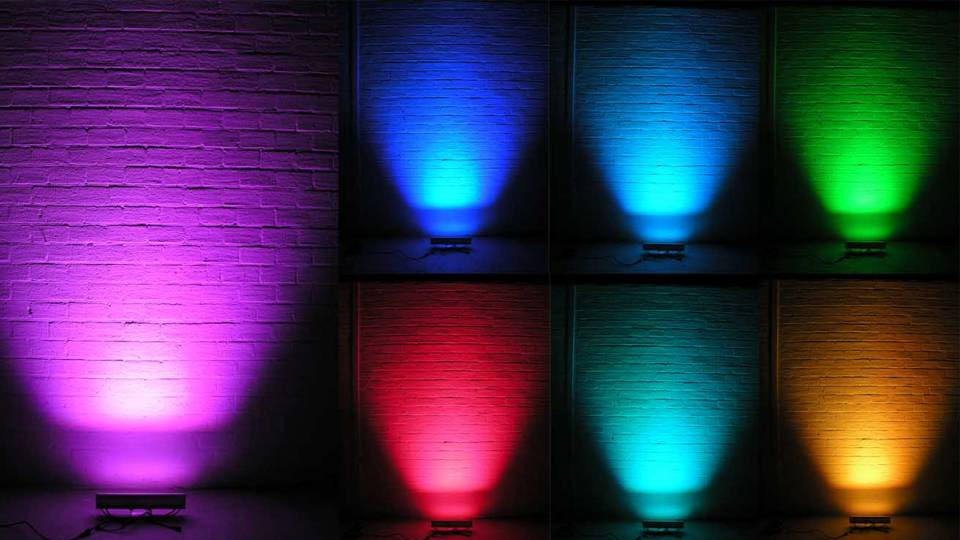
Stage lighting in different colors can create distinct emotional atmospheres for the venue. For example, red stage lighting can evoke passion and a sense of danger; green lighting can create an atmosphere of elegance, vitality, and joy; while blue stage lighting can evoke tranquility, melancholy, and nostalgia.
You can adjust the lighting colors based on the performance content to quickly energize the event atmosphere and help the audience get into the mood faster.
Creating Visual Focal Points
The stage can use spotlights to illuminate key figures or objects, or employ lighting to create areas of light and shadow, thereby establishing visual focal points that guide the audience’s attention to the core elements you wish to highlight.
Enriching the Depth of the Performance
Stage lighting can transform a monotonous stage setting into a vibrant and dynamic one, preventing dull scenes and environments from wearing down the audience’s patience. Furthermore, by utilizing a wide variety of stage lighting effects, you can create multi-layered atmospheres, enriching the audience’s viewing experience.
Shaping the Perception of Time and Space
Changes in the color temperature of stage lighting can evoke different perceptions of time and space. For example, a pale golden light with a color temperature of approximately 5300 K can simulate the environment of a rising sun in the morning; a warm orange light with a color temperature of approximately 3000 K can simulate a sunset scene; and a deep blue light with a color temperature of approximately 6200 K can simulate the atmosphere of late night.
This is particularly true during theatrical performances, where adjusting the color temperature of stage lighting helps make the visual narrative more compelling.
Advantages of Deploying Stage LED Screens
Broadcasting Clear Stage Images
Stage performances are typically large-scale events with a vast number of participants. This is especially true for concerts by popular singers that attract tens of thousands of attendees. As the number of participants increases, the seating arrangements become more spread out.
For audience members seated far away, relying solely on their eyes makes it impossible to clearly see the performance.
Big LED screens for the stage can directly broadcast live footage of the performance, providing distant audience members with a clear view and allowing them to fully experience the show.
Enriching Stage Content
In addition to broadcasting live footage, stage LED screens can display pre-designed content, presenting stunning visual effects that enrich the stage’s visual experience.
Creating an Immersive Viewing Experience for Audiences
You can install curved LED screens to create an immersive viewing space for audiences through highly enveloping LED panels, leaving a more profound impression of the performance.
Furthermore, by combining multiple screens, such as ceiling, backdrop, auxiliary, and floor-standing LED screens, you can create an exceptionally rich and immersive stage display.
Generate Additional Revenue Through Advertising
In addition to displaying standard event content, stage LED screens allow you to broadcast advertisements from sponsors during intermissions. You can also use multi-screen splicing to simultaneously display event footage and advertisements, generating additional advertising revenue for the event.
Increase Interaction to Boost Audience Engagement
Stage LED screens can also display real-time footage of the audience’s reactions, creating opportunities for interaction between the audience and the performance content, thereby increasing the audience’s engagement and enthusiasm for the show.
How to Design an Excellent Stage Lighting Setup?
If you want to design an excellent stage lighting system for your stage, you need to understand the following basics of stage lighting and deploy an appropriate lighting solution based on your project’s requirements.
Selecting the Right Stage Lighting Equipment
Currently, the most popular types of stage lighting equipment on the market include the following:
ERS Lights
ERS lights produce a very sharp beam. They are typically manufactured using approximately 800 W tungsten bulbs or 200 W LED bulbs. These fixtures offer high light intensity and an extremely long beam throw.
ERS lights also feature built-in barn doors, allowing lighting designers to adjust the barn doors to shape the edges of the beam as needed. ERS lights are commonly used for front lighting or projection lighting.
Fresnel Lights
Fresnel lights feature a unique stepped lens, enabling them to produce either very soft or very focused beams for your stage.
By adjusting the distance between the lens and the light source, you can make the Fresnel lamp produce a wider, softer beam, known as a floodlight, or a narrower, more concentrated beam, known as a spotlight.
Fresnel lights are extremely versatile; they can function as floodlights or spotlights. You can choose the appropriate lighting setup based on your specific needs, installing them on stage as wall washers, backlights, or ceiling lights.
PAR Lights
PAR lights typically emit an elliptical beam. They are simple, durable fixtures that can be configured using either 18 LEDs or 400 to 1,000 W tungsten bulbs.
PAR lights are ideal for projecting highly saturated colored light, providing versatile color rendering for live stage performances and helping to energize the audience. Their affordable price and distinctive beam make PAR lights an indispensable fixture for concerts, particularly for rock concerts.
Flood Lights
Flood lights emit a soft, even beam over a wide area. Their primary function is to illuminate the stage and reduce shadow coverage; they are commonly used to light backdrops.
Moving Head Lights
Moving head lights can pan and tilt according to DMX programming, and their light colors and effects can also be programmed.
These fixtures typically produce very intense beams, and the stage lights can track performers to provide moving illumination, thereby quickly focusing the audience’s attention on the stage.
Strip Lights
Strip lights can be integrated into sets and props to create complex and dazzling lighting systems for the stage. They are commonly used for edge lighting and ring lighting. In addition to stage lighting, strip lights are also widely used in architectural decoration.
Followspot
A followspot typically refers to a 1000 W to 2500 W LED or xenon lamp capable of emitting a highly concentrated, focused beam. It supports manual adjustment to target the main performer on stage, highlighting the stage theme and drawing the audience’s attention.
Stage Lighting Equipment Summary Table
| Lighting Fixture Name | Specifications | Fixture Type | Features | Applications |
| ERS Light | 580 W – 800 W / 200 W | Incandescent light, LED light | Elliptical beam, high intensity, concentrated beam, edge-trimmable | Front light, projection light |
| Fresnel Light | 600 W – 1000 W / 160 W | Incandescent light, LED light | Adjustable via lens; emits flood or focused beams | Top light, backlight, wall wash |
| PAR Light | 400 W ~ 1000 W / 18 × 18 W | Incandescent light, LED light | Elliptical, non-adjustable beam | Ambient color rendering light |
| Flood Light | 50 W ~ 1500 W | Incandescent light, LED light | Soft, even light; illuminates a wide area of the stage | Backdrop lighting |
| Moving Head Lights | 200 W ~ 1500 W | LED light | Movable, tiltable, highly focused beam | Spotlights, wall washers |
| Strip Lights | 50 W ~ 500 W | LED light | Multiple light sources, linear beam | Trim lights, architectural accent lights |
| Followspot | 1000 W ~ 2500 W | Xenon lamps, LED lights | Manually adjustable illumination area, highly focused beam | Spotlights, foyer lights |
Designing Layered Lighting
Deploying stage lighting in layers allows for the creation of a higher-quality, more comprehensive lighting system. We recommend focusing on the following lighting layers:
Key Light
The key light is the primary source illuminating the stage, typically positioned 45° to the front of the stage. It illuminates the stage and performers, providing the audience with a clear view.
Side Lighting
Side lighting helps eliminate shadows cast by the main light on the stage, highlights more stage details, and uses light and shadow from the sides to make the facial features of performers on stage appear more three-dimensional.
Backlighting
Backlighting illuminates performers from above and behind the stage, providing contour lighting that helps distinguish them from the background. This enhances the sense of depth in the stage space and, when applied to the performers’ hair, creates a visually stunning and captivating effect.
Designing Textures and Colors in Stage Lighting
You can use cardboard or other props to direct stage lights onto specially treated surfaces. As light passes through these props, it creates unique textures of light and shadow projected onto the stage.
This helps create a more realistic environment for the narrative, enhancing the audience’s immersion during the performance.
Programming Stage Lighting Changes to Create a Unique Rhythm
By programming the stage lighting, you can make the lights change in time with the music’s beat, or, depending on the event’s needs, have the lights follow specific patterns, such as gathering or dispersing. This allows the live audience to shift their visual focus in response to the evolving lighting effects.
How Can JYLED Help You Set Up a Stage LED Screen?
Event Scale and Screen Size
You can select the installation size of the LED screen based on the scale of the event venue. Generally speaking, the larger the event and the greater the number of attendees, the larger the stage LED screen required.
Send your estimated ticket sales figures to a JYLED sales representative, who can help you determine the appropriate LED screen size based on the event’s scale.
For example, the scale of a concert far exceeds that of live events such as weddings or product launches. JYLED will select the most suitable LED screen size for your stage based on the venue size, the number of attendees, and the estimated viewing distance of the audience.
Creative Stage Design
If you have specific requirements to enhance your stage, you can use distinctive creative LED displays to create a unique visual atmosphere for the event.
Creative LED displays for stages typically include:
Inward-Curved LED Displays
Installing an inward-curved LED display requires the use of flexible LED screens or specially treated rectangular LED panels. Inward-curved LED displays typically provide the audience with an immersive viewing experience and are ideal for narrative-driven stage performances.
Outward-Curved LED Displays
Outward-curved LED displays can also be installed using uniquely designed flat LED panels or flexible LED displays. These distinctive outward-curved panels can impart a three-dimensional 3D effect to two-dimensional LED images.
If your project seeks to incorporate 3D visuals, outward-curved LED screens are an excellent choice.
Transparent LED Displays
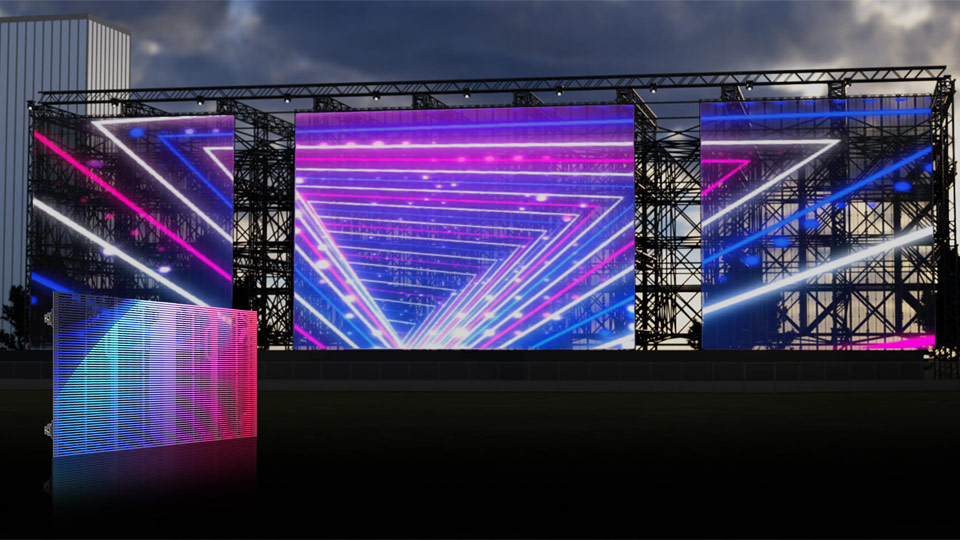
Installing transparent LED displays on stage creates a unique, dreamlike, floating visual effect. For most concerts or theatrical performances, the special, aesthetically pleasing visuals produced by transparent LED screens are a key factor in capturing the audience’s attention.
Content displayed on transparent LED screens firmly captures the audience’s gaze and leaves a lasting, unforgettable impression.
Spherical LED Displays
If you want your stage event to feature exceptionally engaging and dynamic 3D visuals that can be viewed from all angles, a spherical LED display is an excellent choice.
It provides a 360° viewing experience with no blind spots, and the built-in 3D effect delivers a highly impactful visual experience for the audience.
Grid LED Display
Grid LED displays can be suspended at the event venue. They are lightweight and easily adjustable in shape.
They can serve as auxiliary screens to display patterns alongside the main stage LED screen, or function solely as ambient lighting for the stage backdrop, enhancing the color depth of the stage setting with dazzling lights.
Floor LED Screens
Installing floor LED screens transforms an ordinary stage floor into a vibrant, dynamic display. You can switch the content on the floor screens at any time to meet the needs of the performance, creating a more immersive performance space for the live audience.
Comparison Table: Creative Stage LED Displays vs. Conventional Stage LED Screens
| Screen Type | Screen Name | Features | Main Functions | Recommended Applications |
| Conventional Stage LED Display | Stage LED Screen | Clear and bright content, a wide range of applications, and affordable | Broadcasting stage performances, displaying advertisements | Suitable for all stage events |
| Creative Stage LED Displays | Inward-curved LED Display | Provides an immersive viewing experience | Playing narrative-based content | Theater performances, temporary film screenings |
| Outward-curved LED Display | Content features built-in 3D effects | Playing highlight clips to enhance visual impact | Dance performances, product launches | |
| Transparent LED Display | Floating display with dreamlike, ethereal visuals | Used to complement the main screen and enhance the expressiveness of the performance | Concerts, TV studio recordings | |
| Spherical LED Display | Three-dimensional visuals with 360° viewing without blind spots | Used to create a unique visual focal point on stage, display key information, or show advertisements | Concerts, sports arenas | |
| Lattice LED Display | Lightweight and translucent LED panels that can display patterns or function as lighting fixtures | Used to complement the main screen content and enhance the stage ambiance | Concerts, dance performances | |
| Floor LED Screen | High load-bearing capacity, maximizing floor space utilization | Combined with the main stage LED screen to create an immersive, multi-dimensional display space | TV recording studios |
Pixel Pitch
The pixel pitch of a stage LED screen affects the optimal viewing distance for the audience. Generally, the formula for calculating the optimal pixel pitch of a stage LED display is:
Optimal Viewing Distance for LED Screen (in meters) = Optimal Pixel Pitch of LED Screen ~ 2 × Optimal Pixel Pitch of LED Screen (in millimeters).
Therefore, we recommend that you provide information such as the estimated viewing distance for the live audience to a JYLED sales representative. The sales representative will use this information to help you estimate the optimal pixel pitch for the LED display.
Brightness
If the brightness of the stage LED screen is lower than the ambient brightness, it may negatively impact the visibility of the content displayed on the screen, particularly due to the influence of stage LED lighting.
Therefore, JYLED typically selects the final brightness of the screen based on ambient light levels (including the brightness of stage LED lighting) to ensure the visibility of the LED display’s images.
Control System
JYLED’s sales representatives can not only help you develop a suitable stage LED screen solution but also configure a powerful LED video controller for your screen, allowing you to connect the screen and controller and start operating them immediately upon receipt.
The right control system enables the LED display to achieve exceptional visual effects, such as freely adding layers, cropping images, and applying 3D effects to content, delivering stunningly realistic visuals to the live audience.
Furthermore, the control software interface is extremely intuitive, allowing even novice users to quickly get the hang of controlling the screen. The control system simplifies your management operations and enhances the efficiency of your screen management.
Tips for Making Stage Lighting and LED Screens Even More Spectacular
In addition to the above tips for deploying stage lighting and LED screens, you can also use the following methods to ensure better coordination between stage lighting and LED screens in practical applications, thereby creating even more stunning stage visuals.
Brightness Matching Between Stage Lighting and LED Screens
If the stage lighting is too bright, especially when it exceeds the brightness of the LED screen, it can impair the visibility of the screen’s content.
Therefore, we recommend paying close attention to the brightness balance between stage lighting and the screen when configuring parameters, to prevent excessive lighting from interfering with the audience’s view of the screen.
Harmonizing Content Characteristics with Lighting Tones
You can set lighting colors to match the mood of the stage performance based on the content displayed on the LED screen.
For example, when performing an energetic rock song, you can use warm-colored lights such as red, gold, and orange to enhance the fiery atmosphere of the performance; or when performing a ballad, you can set the stage lighting to cool colors like blue and green to create a tranquil, melancholic atmosphere, allowing the audience to become more immersed in the moment.
This approach isn’t limited to concerts; for theater performances or other events, you can follow the same principles to dynamically adjust lighting colors to complement the stage performance in real time.
Designing Memorable Moments
By pre-planning lighting transitions and screen content based on the project’s theme, you can create highlight moments on stage, delivering unforgettable experiences that leave a lasting impression on the audience.
Synchronizing Stage Lighting and Screen Content with Music
You can also synchronize the changes in LED screen content and stage lighting with the music, creating visuals and lighting that move in rhythm with the music. This immerses the entire audience in a sensory experience that delivers a powerful combination of live audio and visual impact.
FAQ
Will Stage Lighting Reflect off the LED Screen and Cause Glare?
No. Generally, the surface of stage LED displays features a deep black design. The black LED panels absorb ambient light, thereby preventing stage lighting from reflecting off the screen and causing glare.
Is It Safe to Install Stage Lighting and LED Screens in Outdoor Environments?
It is very safe. Stage lighting and LED screens installed outdoors typically have an IP65 protection rating, effectively preventing rain and dust from entering the equipment and damaging internal components.
Furthermore, the steel support structures installed on the stage have undergone rigorous stress analysis and calculations, so you need not worry about the stability of the equipment.
If the Budget Is Limited, Should I Prioritize the Stage LED Screen or Stage Lighting?
If your project budget is limited, we recommend prioritizing the stage LED screen. This is because the LED screen is the core foundation that ensures all audience members can clearly see the performance. Without an LED screen, audience members in the back rows would have no viewing experience at all.
Lighting, on the other hand, is primarily used to enhance the event’s atmosphere. For budgetary reasons, even if lighting is scaled back, it will not affect the smooth execution of the event.
What Equipment Is Included in a Complete Stage Lighting System?
A complete stage lighting system includes lighting fixtures, a lighting control system (hardware and software), dimmers, cables, rigging, and other related equipment.
Are Stage LED Screens Expensive?
Yes, the initial investment for stage LED screens is relatively high, but the returns they can generate are also remarkable. Whether you use stage LED screens for concerts, product launches, or theater performances, they will help ensure your event runs smoothly, thereby bringing you substantial returns.
Summary
Deploying stage lighting and LED screens tailored to your event will make your stage stand out, leaving the live audience with a positive experience and a lasting impression.
If you still have questions about how to install stage lighting systems and LED screens after reading this article, please feel free to contact us via the inquiry window on the JYLED official website. JYLED’s sales specialists will assist you free of charge in developing a suitable stage deployment plan.