



A transformer provides stable and safe voltage and current to an LED screen, serving as the foundation for ensuring excellent display performance and a long operational lifespan.
This article will guide you through the most common transformer specifications and explain how to select the appropriate power rating for your LED screen, enabling you to configure the optimal transformer solution for your LED panels when deploying an LED project.
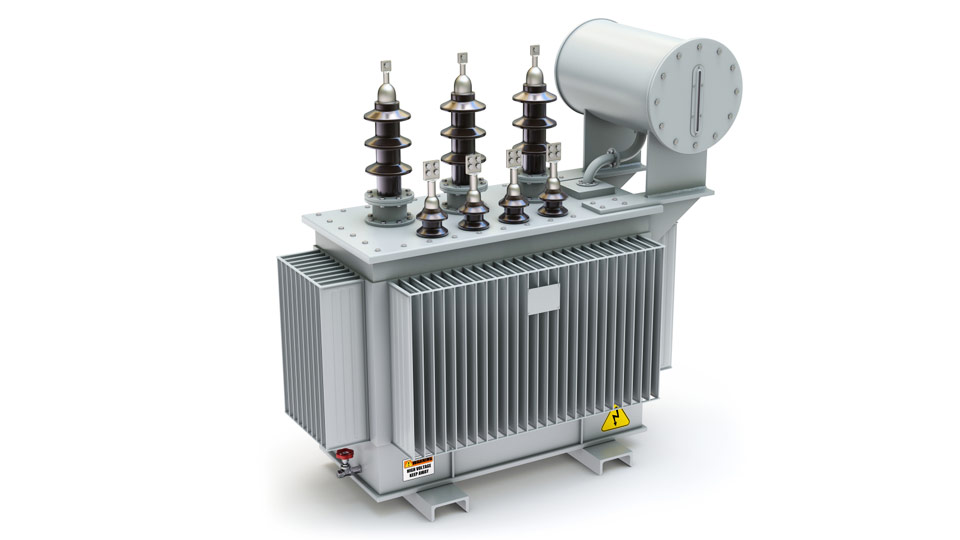
Why Do LED Screens Require a Transformer with the Correct Power Rating?
LED screens require direct current (DC) to operate, whereas the power sources we use in daily life are typically alternating current (AC) at 110 V to 220 V. Therefore, before operating an LED screen, a transformer is usually needed to adjust the input voltage, converting the approximately 220 V AC power into the DC power required for the LED screen to function properly.
If the transformer’s power rating does not match the LED screen’s requirements, the screen may experience flickering, blackouts, or other issues. Additionally, mismatched operating currents could burn out the screen’s circuitry, increasing your LED screen maintenance costs.
Therefore, it is not only necessary to install a transformer for the LED screen but also to ensure that the transformer’s power rating matches the project’s specifications to achieve optimal display performance.
What Types of Transformers Are Available for LED Screens?
When installing a transformer for an LED screen, there are two main specifications to consider: the transformer’s power rating, which determines the number of transformers required for the project; and the transformer’s output voltage, which must be fully compatible with the LED screen.
Classifying Transformers by Power Rating
200 W Transformers
The 200 W transformer is the lowest-power option among the popular specifications currently used for LED displays. It is ideal for small-scale LED display projects, such as retail store LED screens, conference room LED displays, and shopping mall LED displays.
300 W Transformers
If your project is small to medium in scale and requires a large number of 200 W transformers, you may opt for 300 W transformers to reduce the overall installation footprint.
Higher power transformers can help reduce procurement costs to some extent. 300 W transformers are suitable for indoor full-color LED screens, airport LED displays, and similar applications.
400 W Transformers
The 400 W transformer is ideal for medium- and large-scale LED screens, such as those in banquet hall LED displays or flexible LED displays. It provides stable and reliable voltage and current to medium-sized LED panels at an appropriate scale.
600 W Transformers
The 600 W transformer is the most powerful model among the popular options. For ultra-large-scale display projects, using transformers with insufficient power would require an excessive number of units.
Therefore, for ultra-large-scale LED display projects, we strongly recommend the 600 W transformer. It is suitable for large-scale LED displays for the stage, outdoor rental LED displays, and high resolution LED displays.
Summary Table of Transformers by Power Rating
| Transformer Power | Suitable Scale | Output Voltage | Operating Temperature | Recommended Applications |
| 200 W | Small LED displays | 3.8 V ~ 5 V | -30 °C ~ +70 °C | Retail store LED displays, conference room LED displays, and shopping mall advertising LED screens |
| 300 W | Medium and small LED displays | 3.8 V ~ 5 V | -30 °C ~ +70 °C | Indoor full color LED screens, airport LED displays |
| 400 W | Medium and large LED displays | 3.8 V ~ 5 V | -30 °C ~ +70 °C | Banquet hall LED displays, flexible LED displays |
| 600 W | Extra-large LED displays | 3.8 V ~ 5 V | -30 °C ~ +70 °C | Large-scale stage LED displays, outdoor rental LED displays, and high resolution LED displays |
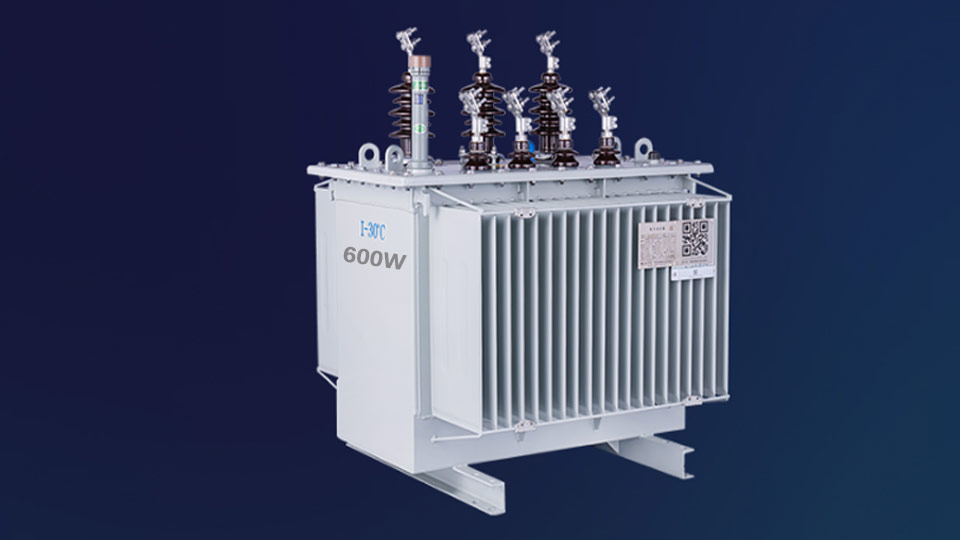
Classifying transformers by output voltage
LED screens typically have a rated input voltage, so when selecting a transformer, you must strictly adhere to the LED screen’s rated voltage to choose the correct model. Currently, the following three types of transformers with different output voltages are commonly available on the market:
5 V Transformers
Transformers with an output voltage of 5 V are the most widely used, as the standard voltage for most LED screens on the market is 5 V; therefore, this type of transformer is suitable for the vast majority of screens.
4.5 V Transformers
Transformers with an output voltage of 4.5 V are suitable for LED displays that use hardwired connections, or for energy-efficient LED displays with a rated voltage of 4.5 V.
4.2 V Transformers
4.2 V is a rated voltage achievable only by energy-saving LED displays. In these screens, the internal driver ICs are replaced with energy-saving ICs, which require an input voltage lower than the standard 5 V, thereby reducing the screen’s power consumption during operation.
Compared to transformers with standard output voltages, this 4.2 V transformer is more expensive.
In Which Situations Is It Not Necessary to Install an Additional Transformer for an LED Screen?
In fact, not all LED displays require you to configure and install an additional transformer. For example:
- All-in-one LED displays: Generally, for all-in-one LED displays, workers install all internal components, including the power supply that provides the required voltage for the screen, before packaging and shipping. Examples include LED posters, LED totems, and all-in-one LED displays; these come with built-in transformers, so you do not need to install an additional one.
- Power Supply Environments That Meet Voltage Requirements: Some power supply environments do not use the standard 110 V to 220 V found in daily life, but instead provide the 5 V voltage required for LED screen operation. In such cases, you do not need to install an additional transformer; the screen can be powered directly and operate stably.
In Which Situations Is It Mandatory to Use a Transformer for LED Screens?
For the following practical applications, you need to install a suitable transformer for the LED screen:
- Large-scale outdoor billboard projects: Large outdoor LED billboards not only consume a massive amount of power but also operate for very long hours each day. A transformer is required to regulate, distribute, and transmit stable current and voltage, ensuring the LED screen operates reliably.
- Stadium LED displays: Stadium LED displays are used to broadcast real-time footage of sports events. Therefore, a very stable voltage is required to ensure image stability and prevent issues such as screen flickering or dimming, which could negatively impact the project, brand, or company.
- Industrial Park LED Displays: Industrial park LED displays typically have high power requirements and operate in harsh environments; installing a high-quality transformer can enhance the stability of the screen’s operation.
- Long-Distance Power Supply Projects: Long-distance power supply projects often require ultra-high voltage to transmit and supply current, but LED screens cannot withstand such high voltages; therefore, a transformer must be installed to convert the voltage and current.
How to Calculate the Appropriate Transformer Size for an LED Screen?
If you have already finalized the installation plan for your LED display but are struggling to select the right transformer, you can use the following method to calculate the specifications and quantity of transformers required:
Calculate the Maximum Power Consumption of the LED Screen
First, we need to calculate the maximum power consumption of the LED screen to be installed. An LED screen is assembled from multiple LED modules of the same size. Generally, the power consumption per module is clearly specified in the module’s technical specifications.
Therefore, the total power consumption of the LED screen is simply the sum of the power consumption of all LED modules. You can directly calculate the total power consumption of the LED screen based on the number of LED modules:
Total Power Consumption of LED Screen = Power Consumption per LED Module × Number of LED Modules.
Alternatively, you can calculate it based on the screen area. The dimensions of an LED module are usually expressed as X × Y (in mm). By converting X × Y to values in meters, you can multiply them directly to obtain the area of a single LED module.
You will also need to calculate the area of the LED screen you plan to install:
LED Screen Area = Width of the LED Screen × Height of the LED Screen.
Then you can calculate the total power consumption of the LED screen:
Total Power Consumption of LED Screen = LED Screen Area ÷ Area of a Single LED Module × Power Consumption of a Single LED Module.
Increasing Power Redundancy for the Transformer
Once you have calculated the total power consumption of the LED screen, this is not the final total power rating that the transformer needs to have.
This is because, to ensure stable and safe circuit operation, we generally recommend adding a 20% to 30% margin on top of the total power consumption of the electrical equipment.
This prevents sudden fluctuations in equipment power from exceeding the transformer’s rated capacity, which could cause electrical damage to the equipment.
Therefore, total transformer power = LED screen power × (1.2 to 1.3).
Calculating Transformer Specifications and Quantity
Once you have calculated the total power consumption of the transformers required for the LED project, you can select transformers of different power ratings and calculate the quantity needed.
Number of transformers = Total transformer power ÷ Power of a single transformer.
The lower the power rating of the individual transformers you choose, the more transformers will be required for the project.
What Transformer Sizes Are Recommended for LED Displays of Different Sizes?
We recommend selecting transformers with different power ratings based on the scale of the LED screen to ensure smoother installation and operation of the project.
Small LED Displays
For small LED displays with an area of 1 ㎡ to 20 ㎡, we recommend selecting a 200 W transformer.
This is because if the transformer’s power rating is too high, it may result in some power wastage and increase the energy loss required for circuit operation, thereby raising your project’s electricity costs.
Therefore, for smaller-scale LED display projects, we recommend choosing transformers with lower power ratings.
Medium and Large LED Displays
For medium and large LED displays with an area of 20 m² to 100 m², we recommend selecting a 300 W or 400 W transformer.
This is because 300 W and 400 W transformers offer greater adaptability for the project. They avoid the burden of installing too many transformers due to insufficient power, nor do they result in wasted procurement costs due to excessively high power ratings.
Extra-Large LED Displays
For extra-large LED displays exceeding 100 ㎡ in area, we recommend selecting a 600 W transformer.
If you choose 200 W transformers, the number required for the LED display could be very large. Since transformers are typically installed inside LED cabinets, a large number of them would put significant pressure on the cabinet’s space.
Generally, we recommend installing 1 to 2 transformers per LED cabinet for optimal performance. Therefore, for particularly large-scale LED screens, selecting 600 W transformers is more appropriate.
FAQ
Is It Expensive to Install Transformers for an LED Screen?
No, transformers are not expensive on the market, and the cost of installing them in a single project is usually well within the budget. If your project has a limited budget, you can choose transformers from G-Energy, as their products are very affordable.
Is a Higher Capacity Transformer Always Better for LED Screen Installations?
No. If the transformer’s capacity is too high, it may cause the following issues:
- Higher costs: Higher power transformers are more expensive, and purchasing one with excessive power may result in unnecessary cost waste.
- Reduced circuit efficiency: Higher power transformers experience greater energy loss during current conversion, potentially leading to wasted energy.
- Greater installation constraints: Higher power transformers are also larger in size, which can significantly limit the installation space available in the LED cabinet.
Does Installing a Transformer Require Professional Technicians?
No. The electrical structure of a transformer is consistent with that of standard electrical equipment. As long as the power is turned off, ordinary workers can safely and efficiently complete the installation.
If a Circuit Failure Occurs, How Can You Determine if It Is Caused by a Transformer Malfunction?
If a circuit failure occurs during the operation of the LED screen, you can use a multimeter to test the positive and negative terminals of the transformer to check if the power supply is functioning normally. If there is no voltage output, this indicates that the transformer has malfunctioned.
What Is the Service Life of a Transformer?
The service life of a transformer varies depending on the brand and model you purchase, as well as how well the transformer matches your LED display project. Most transformers have a service life ranging from 6 to 10 years.
What Are the Requirements for Installing Transformers in Outdoor LED Displays?
Outdoor environments have higher temperatures, which place greater thermal stress on transformers.
To prevent equipment damage from overheating, transformers installed outdoors must feature superior heat dissipation and ventilation designs, such as cooling fans and ventilation grilles.
Summary
Installing a transformer with the appropriate power rating for your LED screen ensures stable current during operation and delivers exceptional, reliable image quality. It also prevents circuit overheating that could burn out screen components, thereby extending the LED screen’s service life.
If you are unsure how to deploy your LED screen and the corresponding transformer, you can contact a JYLED sales representative directly. Simply click the consultation window to immediately receive a tailored solution for your LED screen and transformer needs.

